Size
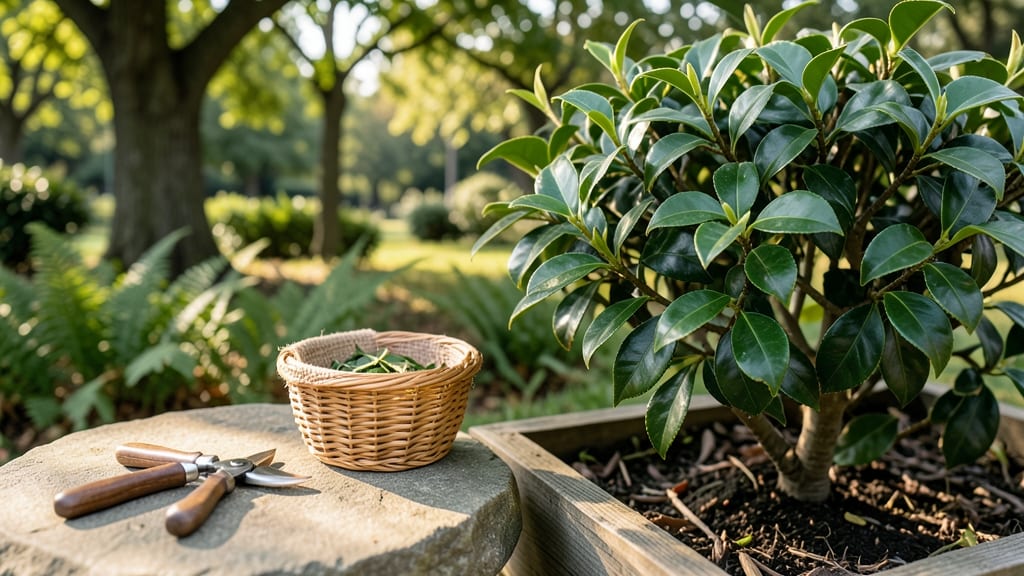
To grow a tea plant successfully, you’ll need a subtropical climate with warm temperatures, well-draining acidic soil (pH 4.5–6.0), and partial shade during early growth. Start with seeds or cuttings, maintain consistent moisture, and protect from frost. Camellia sinensis thrives in humidity-rich environments like USDA zones 7–9 or tropical regions with consistent rainfall.
Tea plants, or Camellia sinensis, are sensitive to temperature swings—they need steady warmth between 60°F and 85°F to produce quality leaves. 🌿 The acidic soil requirement isn’t just about pH; it’s also about organic matter that retains moisture while preventing root rot.
Many gardeners swear by mixing in compost or peat moss to mimic the plant’s natural forest-floor habitat. If you’re in a cooler zone, consider growing it in containers so you can move it indoors during winter months.
💡 In This Article
- Optimal Conditions for Tea Plant Growth
- Step-by-Step Tea Plant Cultivation Guide
Optimal conditions for tea plant growth
The tea plant's preference for subtropical climates isn't just about warmth—it's about avoiding metabolic stress. Camellia sinensis thrives in temperatures between 60°F and 85°F because its enzymatic pathways for photosynthesis and caffeine production (which protects leaves) function optimally within this range.
Below 50°F, growth halts completely, while above 90°F, the plant conserves water by closing stomata, reducing leaf quality. This is why frost is deadly: ice crystals rupture cell membranes, and the plant can't recover from such physical damage. 🌡️
Humidity plays an equally critical role. Tea plants originate from cloud forests where relative humidity stays above 70%, preventing leaf desiccation. In drier climates, you'll need to mimic this with daily misting or humidity trays—especially important during the 2-3 month period when new shoots emerge.
The plant's waxy leaf coating helps retain moisture, but it's not foolproof. When humidity drops below 50%, leaves curl inward to minimize water loss, directly reducing the surface area available for photosynthesis by up to 30%.
The soil's acidity (pH 4.5–6.0) isn't arbitrary—it's tied to nutrient availability. Tea plants evolved in acidic forest soils where iron, manganese, and phosphorus (essential for chlorophyll production) remain soluble. A pH above 6.5 locks these nutrients away in insoluble forms, causing yellowing leaves despite adequate fertilization.
The organic matter in forest soils also improves drainage while holding moisture—critical because tea plants hate soggy roots. A 50/50 mix of peat moss and perlite replicates this ideal texture perfectly. 🌱
Sunlight needs shift dramatically through growth stages. Seedlings require partial shade (30-50% light) to prevent leaf scorch, as their delicate tissues lack protective cuticles. Mature plants can handle full sun (6+ hours daily), but only after establishing a strong root system—typically after 12-18 months.
The key difference? Shade reduces caffeine production in young leaves, making them more tender for the first harvest. Direct sun increases caffeine by 20-30%, which is why commercial tea plants often get gradual sun exposure to balance flavor and yield.
What most gardeners overlook is how these factors interact. For example, high humidity combined with full sun creates the perfect storm for fungal diseases like anthracnose, which thrives in 80°F+ temperatures. The solution?
Space plants 3-4 feet apart for airflow while maintaining that 70%+ humidity—a balance that prevents both moisture stress and fungal outbreaks. This delicate equilibrium explains why tea plants in tropical regions often yield 30% more than those in temperate zones, despite similar care efforts. 🌿
Consider this real-world example: In Sri Lanka's tea-growing regions, plants receive 150-200 inches of rainfall annually while maintaining temperatures between 75-85°F. The natural cloud cover provides that crucial partial shade, and the acidic volcanic soil requires minimal amendment.
Recreating these conditions in a home garden means investing in a humidifier, shade cloth, and regular soil pH testing—each adjustment directly impacts whether your plant produces delicate green tea leaves or tough, bitter foliage.
The science is clear: precision in these conditions determines both quantity and quality of harvest. ✨