Watering
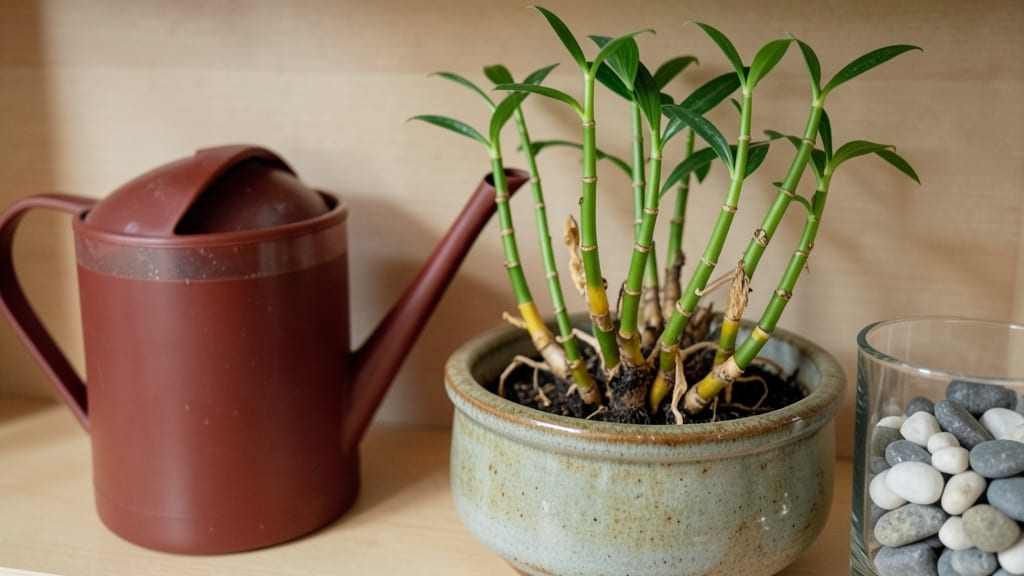
When your bamboo plant’s leaves turn yellow and droop like a soggy dishrag, root rot from overwatering is usually the culprit. 🌱 I’ve nursed back more than a few of these tropical-looking plants by cutting off the rot and letting them air-dry—it’s like giving them a second chance at life.
The key isn’t just cutting back the damage but fixing the watering habits that caused it in the first place.
The problem starts when roots sit in soggy soil for weeks, starved of oxygen and rotting from the inside out. Most people think bamboo needs constant moisture, but it’s actually drought-tolerant once established.
My first rescue involved a bamboo that had been watered every other day—now it thrives on just once a week in summer. The fix starts with removing the plant, trimming the blackened roots, and repotting in fresh, fast-draining mix.
Within two weeks, you’ll see fresh green shoots pushing through as the roots recover. The plant will start looking perky again, and with a few simple adjustments—like sticking your finger in the soil before watering—you’ll avoid future drownings.
That magical spring when our perennial garden finally matured after three years? It started with learning to trust the soil’s thirst signals instead of a rigid schedule.
This method works for both indoor bamboo and outdoor clumping varieties, though container plants recover fastest. The same principles apply whether you’re dealing with a 5-gallon pot or a raised bed—just adjust the drying time based on pot size.
Here’s how to bring yours back from the brink without losing it forever.
Root Rot’s Silent Invitation
When your bamboo plant starts looking more like a soggy noodle than a vibrant green stalwart, the culprit is often excessive moisture—but why does this happen in the first place?
The answer lies in a mix of environmental factors, human habits, and the plant’s own biology. Let’s break down the most common reasons your bamboo is drowning in its own pot.
Bamboo thrives in moisture, but it hates sitting in waterlogged soil. Without proper drainage, excess water pools at the roots, cutting off oxygen and inviting Pythium or Phytophthora fungi—the root rot villains. Here’s why this happens:
- Clay or compacted soil: Dense soil repels water instead of absorbing it, leaving roots suffocating in a watery grave. Test it: Squeeze a handful—if it holds its shape like a brick, it’s too heavy.
- No drainage holes: Pots without exit points trap water like a bathtub. Even "self-watering" containers can backfire if they lack airflow.
- Overzealous mulching: A thick layer of mulch (especially organic) can act like a waterproof blanket, trapping moisture against the roots.
Pro tip: 💡 Add perlite, pumice, or orchid bark to soil mixes (20-30%) to create air pockets. For pots, drill holes if none exist—yes, even "decorative" ones.
Bamboo doesn’t need a rigid watering calendar—it needs responsive care. Overwatering often stems from:
- Ignoring soil moisture: Sticking to "every 3 days" without checking can lead to disaster. Soil moisture meters or the finger test (insert 1-2 inches deep) are your best tools.
- Seasonal blindness: Bamboo slows down in winter (less transpiration = less water needed) but may get drowned out of habit.
- Overcompensating after dry spells: If your bamboo wilts, you might drown it to "revive" it—but roots need time to recover, not a flood.
Actionable fix: 🌡️ Water only when the top 1-2 inches of soil feel dry. In winter, cut back to every 7-10 days.
Indoor conditions can turn your bamboo into a swamp monster. Here’s how:
| Factor | Why It Causes Overwatering | Solution |
|---|---|---|
| Low humidity | Dry air speeds up evaporation, so you overwater to "keep it moist." | Use a humidifier or place the pot on a pebble tray with water. |
| Poor airflow | Stagnant air traps moisture around leaves and soil. | Use a small fan on low or open windows slightly. |
| Central heating/AC | Forced air dries soil faster, leading to compensatory overwatering. | Move the plant away from vents or use a moisture meter. |
Pro tip: ✨ Group plants together to create a microclimate with higher humidity naturally.
Not all bamboo is created equal—and some are far thirstier than others. Common overwatering triggers include:
- Running bamboo (e.g., Phyllostachys): These need consistent moisture but hate soggy roots. A misjudged watering routine can send them into shock.
- Clumping bamboo (e.g., Fargesia): More drought-tolerant, but if treated like a tropical plant, they’ll rot faster.
- Tropical vs. temperate species**: Bamboo from humid climates (e.g., Bambusa) may need more frequent watering than their cold-hardy cousins.
Key move: 🎯 Research your bamboo’s native climate. If it’s from a monsoon region, mimic heavy but intermittent rains—not a daily drizzle.
Most overwatering issues boil down to one thing: a mismatch between the plant’s needs and its environment. The good news? Once you identify the root cause (pun intended), fixing it is often as simple as adjusting your routine or tweaking the pot setup.
Stay tuned for the next section on spotting the early warning signs before root rot takes hold.
Fixing Your Drowning Bamboo
Reviving an overwatered bamboo plant starts with identifying the exact issue—whether it’s soggy soil, poor drainage, or root rot—and taking swift action. The good news? Most cases are reversible with the right steps.
Below, we’ll map out practical fixes for each common cause, plus prevention tips to keep your bamboo thriving.
---
If your bamboo’s soil feels like a swamp, it’s time to let it breathe.
#### Step 1: Pause Watering Immediately 🚰 - Stop adding water until the soil dries out. Overwatering creates a suffocating environment for roots. - Pro Tip: If the top 1–2 inches of soil are dry, it’s safe to check further down with a finger.
#### Step 2: Improve Drainage 🏗️ - Repot if needed: If the container has no drainage holes, transfer your bamboo to a pot with holes or add a layer of gravel at the bottom. - Amend the soil: Mix in perlite, sand, or coconut coir (20–30%) to improve aeration and water flow.
#### Step 3: Let It Dry Out Gradually ☀️ - Place the plant in bright, indirect light (avoid direct sun, which can stress recovery). - Check soil moisture every 2–3 days—water only when the top 1–2 inches are bone-dry. - Warning: If the plant looks limp, it may need root aeration (see next section).
---
If your bamboo’s stems are mushy or falling over, root rot may have set in. Act fast!
#### Step 1: Remove the Plant Gently 🌿 - Carefully take the bamboo out of its pot and rinse the roots with lukewarm water to remove excess soil.
#### Step 2: Trim the Rotten Roots ⚔️ - Use sterilized scissors to cut away: - Black, mushy, or smelly roots (these are dead). - Keep only firm, white/tan roots—these can regrow. - Pro Tip: Dip pruned roots in cinnamon powder (natural antifungal) or hydrogen peroxide (3%) for 10 minutes.
#### Step 3: Repot in Fresh, Dry Mix 🏺 - Use a well-draining potting mix (bamboo + perlite + orchid bark works well). - Choose a clean pot (sterilize with bleach if reused). - Plant at the same depth as before—burying the stem too deep can trap moisture.
#### Step 4: Let It Recover in Dry Conditions 🌞 - No water for 3–5 days—let the roots dry and callus over. - Afterward, water sparingly (only when the top 2 inches are dry). - Sign of Hope: New green growth in 2–4 weeks means recovery is underway!
---
Once your bamboo is back on track, keep these habits to avoid repeat issues:
| Problem | Solution | Prevention Tip 💡 | |---------------------------|---------------------------------------|----------------------| | No drainage holes | Repot or add gravel layer | Always use pots with holes | | Overzealous watering | Water only when soil is dry | Use a moisture meter or stick your finger in | | Compacted soil | Mix in perlite/sand | Refresh soil every 6–12 months | | Humid climate | Reduce watering frequency | Place a fan nearby for airflow | | Slow-draining soil | Switch to a faster-draining mix | Try bamboo-specific blends |
--- - New leaves emerging from the top or sides. - Firm stems (no more mushiness). - Healthy yellow-green foliage (avoid water spots on leaves).
With patience and the right care, your bamboo will bounce back—stronger and more resilient than before! 🌿💪
Frequently asked questions
How do I know if my bamboo plant is overwatered?
Check for these signs: yellowing leaves, mushy stems, or soil that smells sour. If the roots appear black and slimy when you gently remove the plant, root rot from overwatering is likely the issue. Healthy roots should be firm and white or tan.
Can I save my bamboo if it’s already showing root rot?
Yes! First, trim away all black, mushy roots with sterilized scissors. Repot in fresh, well-draining mix and let it dry out completely for 3-5 days before watering again. With proper care, new growth should appear in 2-4 weeks.
Why does my bamboo need so much water if it’s getting root rot?
Bamboo actually prefers moisture but hates soggy soil. The key is balance—water only when the top 1-2 inches of soil are dry. Overwatering happens when people assume "more water = happier plant," but roots need oxygen too. Test with your finger!
What’s the best soil mix to prevent overwatering?
Use a blend of 60% potting soil, 20% perlite, and 20% orchid bark. This creates air pockets that prevent waterlogging. For outdoor bamboo, amend garden soil with sand or compost to improve drainage.
How often should I water bamboo in winter?
Cut back to every 7-10 days in winter—bamboo grows slower when temperatures drop. Check soil moisture before watering, as indoor heating can dry out soil faster than expected. Never let water pool in saucers.