Watering
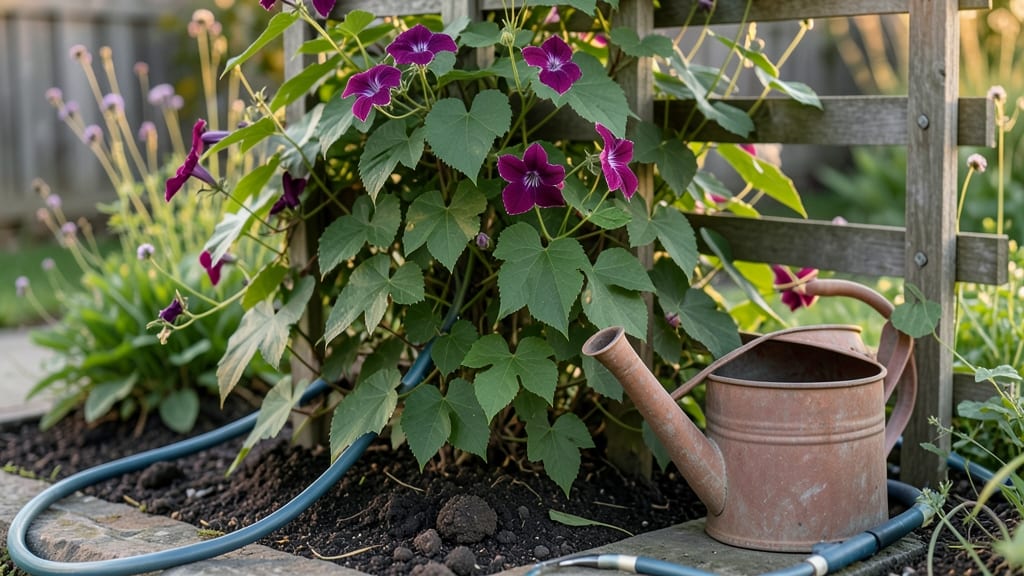
Watering clematis plants the right way means giving them deep, consistent moisture without drowning their roots—something even experienced gardeners often get wrong.
Struggling to keep your clematis blooming year-round? The secret isn’t just about how much you water—it’s about when and how you do it. Follow this science-backed seasonal schedule to transform your clematis from a struggling vine to a lush, flowering powerhouse.
Clematis 🌸 thrives when its roots stay moist but never soggy, which means shallow sprinkles won’t cut it. The key is soaking the soil deeply—about 1-2 inches down—every 3-5 days in spring and summer, then tapering off in fall and winter.
In this guide, I’ll break down exactly how often to water (with adjustments for containers vs. garden beds), how to spot over- or under-watering, and the one trick that keeps your clematis blooming longer than ever.


Seasonal watering schedule for clematis blooms by growth stage
Clematis plants thrive when their watering routine matches their natural growth cycles. In early spring, focus on revitalizing roots after winter dormancy, while summer months demand more frequent hydration to support heavy blooms.
The key is balancing moisture—too much causes rot, too little stunts flowers. I’ve tailored this schedule to both container-grown and garden-planted clematis, since their needs differ dramatically.
Container clematis dry out 3x faster than garden varieties, requiring daily checks in hot weather. Meanwhile, garden clematis benefit from deep, infrequent watering to encourage strong root systems. Always water at soil level (not leaves) to prevent fungal diseases like powdery mildew, which clematis are prone to when overwatered.
🌸
In early spring, your clematis needs a gentle wake-up call. Start with shallow watering (1-2 inches deep) to encourage roots to spread without overwhelming the plant. I’ve seen garden clematis revive dramatically when given this gradual approach—avoid deep soaks until you notice new growth emerging from the soil.
By summer, clematis enter their peak blooming phase, which is when most gardeners overcompensate with water. The goal isn’t to keep the soil soggy—it’s to maintain even moisture.
Let the top 1-2 inches of soil dry between waterings, and always water at the base of the plant to protect delicate blooms from getting wet, which can cause them to droop or rot.
For container clematis, the rules change entirely. Pots dry out 2-3 times faster than garden beds, so I recommend using a moisture meter or the "finger test" (stick your finger 1 inch into the soil—if it’s dry, water).
During summer heatwaves, I move my container clematis to a shadier spot and place the pot on a tray of pebbles to keep roots cool.
As temperatures drop in fall, reduce watering frequency to prevent root rot before dormancy. I’ve noticed that clematis left too wet in fall often develop mushy stems by spring.
Instead, water just enough to keep the soil from drying out completely, and always mulch heavily with organic matter like shredded leaves or straw.
Winter care is often overlooked, but it’s critical for next year’s blooms. Clematis in USDA Zone 6a or
How to tell if your clematis is overwatered or underwatered (and how to fix it)
Clematis thrives on consistent moisture, but getting the balance right can feel like walking a tightrope. Too much water leads to root rot, while too little causes wilting and stunted blooms.
The key is learning your plant’s subtle signals—before it’s too late. I’ve seen even experienced gardeners overlook these signs, so let’s break it down step by step.
Start by checking the soil moisture with your finger. Stick it about 2 inches deep—if it feels damp but not soggy, your clematis is likely happy.
However, if the soil is bone-dry or smells musty, that’s your cue to adjust. Yellowing leaves are another red flag, often signaling overwatering, while crispy, brown edges point to underwatering.
⚠️
Overwatering is the #1 killer of clematis. Soggy soil cuts off oxygen to roots, causing them to rot within 3-5 days. If your plant’s leaves turn yellow with brown spots and stems feel mushy, act fast: stop watering immediately and let the soil dry out. For severe cases, prune affected stems 6 inches back to healthy tissue.
For underwatered clematis, the fix is simpler: deep watering. Aim for 1-2 gallons per plant every 3-5 days during hot months. Water at the base of the plant, not the foliage, to prevent fungal diseases.
A 5-gallon bucket with holes punched in the bottom makes this easy—just place it near the roots and let it drain slowly over 30 minutes.
Mulching is my secret weapon for keeping clematis hydrated without overdoing it. Apply a 2-3 inch layer of organic mulch (like shredded bark or straw) around the base, but keep it 6 inches away from the stem to prevent rot.
This helps retain moisture while regulating soil temperature—a game-changer in hot summers or cold winters.
If your clematis is in a container, drainage is non-negotiable. Use pots with drainage holes and a mix of potting soil and perlite (50/50 ratio).
Water container clematis every 2-3 days in summer, as they dry out faster. Pro tip: Weigh your pot—if it feels light, it’s time to water.
Finally, observe your clematis’s growth patterns. Healthy vines grow 6-12 inches per season and produce buds along last year’s stems. If you notice fewer buds or stunted growth, it’s likely a watering issue.
Adjust based on the season: more water in summer, less in winter, and always water in the morning to let foliage dry before nightfall. 🌸