Plants
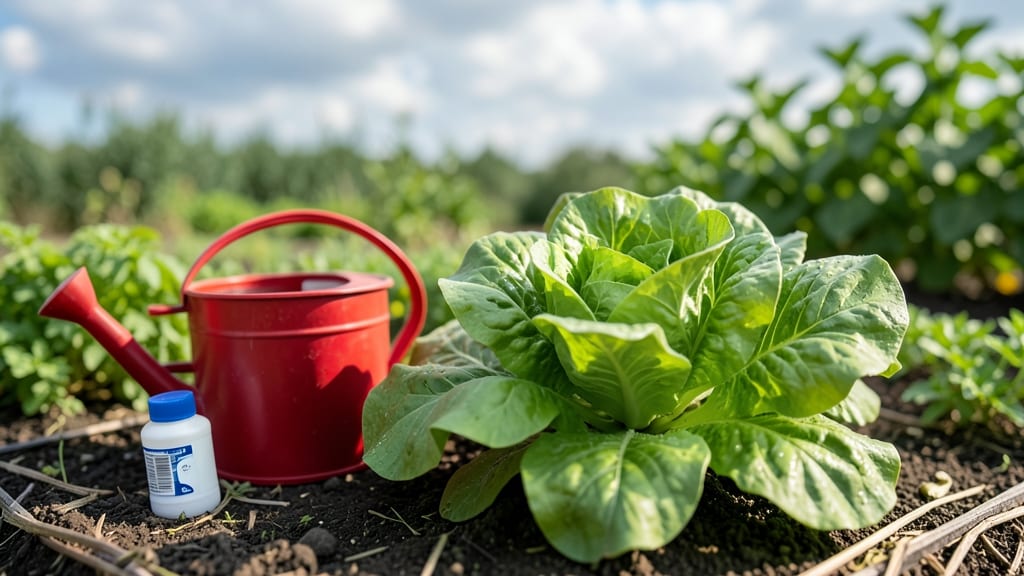
Chlorine and plants create a dangerous combination because chlorine damages delicate root systems, slows growth, and causes brown or yellow leaf spots due to oxidative stress. Always opt for filtered, rainwater, or distilled water instead of tap water for sensitive plants and hydroponics.
Chlorine’s biggest threat lies in its ability to disrupt root cell membranes, which are essential for nutrient uptake. 🌱 Once absorbed, it interferes with the plant’s vascular system, blocking water and mineral transport—similar to how salt can dehydrate soil.
This is especially critical for hydroponic systems, where roots are fully submerged and exposed to chlorine without protective soil buffers. Even a small amount can weaken plants over time, making them more susceptible to disease and pests.
For most gardeners, the solution is simpler than you’d think: let tap water sit out for 24 hours before using, or invest in an affordable activated carbon filter. 💧 Rainwater collection is another eco-friendly option, though it requires proper storage to prevent algae growth.
If you’re dealing with a chlorinated water emergency, a splash of baking soda or hydrogen peroxide can neutralize chlorine temporarily—just avoid overdoing it, as too much can alter soil pH.
💡 In This Article
- How Chlorine Affects Plant Root Systems
- Safe Water Alternatives for Chlorine-Sensitive Plants
How chlorine affects plant root systems
Chlorine disrupts plant roots at a cellular level by oxidizing the phospholipid bilayer that makes up root cell membranes.
These membranes contain unsaturated fatty acids that chlorine breaks down, creating pores that leak essential nutrients like potassium and calcium. 🌱 The damage starts within 30 minutes of exposure, with visible symptoms like stunted root hairs appearing after 2-3 days.
This is particularly devastating for plants like lettuce or spinach, whose shallow root systems rely on rapid nutrient absorption.
The real danger lies in how chlorine interferes with the plant's vascular system.
Roots transport water and minerals through xylem vessels, but chlorine causes these vessels to clog with oxidized debris, similar to how rust builds up in pipes. 💧 For tropical plants like ferns or calatheas, this leads to crispy leaf edges, while succulents like aloe vera may develop soft, mushy roots that rot within 5-7 days of continuous exposure.
The difference in sensitivity comes down to root structure—succulents have thicker cell walls that offer some protection, but tropicals lack this natural defense.
What most people don't realize is that chlorine also triggers an oxidative stress response in roots.
Plants produce reactive oxygen species (ROS) as a defense mechanism, but chronic exposure overwhelms their antioxidant systems. 🌿 This creates a vicious cycle: the plant diverts energy from growth to repair damaged cells, leading to stunted shoots and yellowing leaves.
In hydroponics, where roots are fully immersed, chlorine concentrations as low as 0.2 ppm can cause irreversible damage within 48 hours, making even "safe" tap water a risk for sensitive crops.
Long-term effects include weakened structural integrity of roots, making plants more vulnerable to soil-borne pathogens. Chlorine-resistant bacteria like Pseudomonas thrive in these compromised environments, leading to root rot. 🌱 For example, tomato plants exposed to chlorinated water may develop blackened roots and fail to produce fruit, even with proper fertilization.
The key factor here is that chlorine doesn't just kill roots—it creates an environment where secondary infections can take hold, turning a water quality issue into a full-blown plant health crisis.
Interestingly, some plants show delayed symptoms that appear weeks after exposure.
This is because chlorine can remain in soil or growing medium, continuing to leach into root zones. 💧 For instance, orchids may develop brown spots on leaves months after being watered with chlorinated water, as the chlorine builds up in their pseudobulbs.
The lesson here is that prevention is critical—once chlorine has affected root systems, recovery is often incomplete, even with proper care.
Understanding these mechanisms helps explain why some plants wilt despite adequate soil moisture.
Chlorine disrupts the plant's ability to regulate water uptake, causing both overhydration (as roots can't process excess water) and dehydration (as nutrient transport breaks down). 💧 The result is a plant that appears thirsty even when its roots are submerged in water—a classic sign of chlorine damage.
This is why hydroponic growers must use reverse osmosis systems, which remove 99% of chlorine before water reaches plant roots.