Pruning
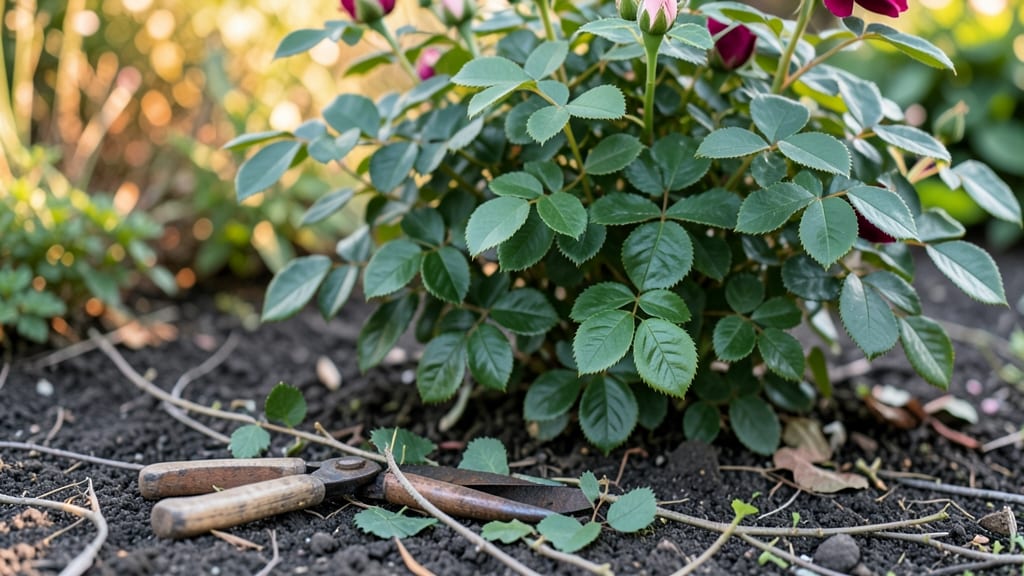
Pruning plants means strategically trimming branches, leaves, or roots to improve growth, shape structure, and boost fruit or flower production while preventing disease. Proper timing and technique ensure plant health and longevity.
When you prune plants correctly, you're essentially giving them a health boost by removing overcrowded or unhealthy parts.
This redirection of energy helps plants focus on producing stronger stems, more vibrant blooms, or higher yields. 🌿 For example, pruning fruit trees in late winter encourages better fruit development, while shaping shrubs improves airflow and reduces disease risk.
The key is understanding which parts to cut and when—some plants thrive with light trims, while others need more aggressive shaping.
Think of pruning like a haircut for your plants: too little leaves them unkempt, but too much stresses them out. The right approach varies by plant type—herbs like rosemary benefit from occasional trimming to encourage bushier growth, while flowering plants often need deadheading to prolong blooms.
Always use clean, sharp tools to avoid damaging tissue, and never remove more than one-third of a plant's foliage at once.
💡 In This Article
- How Pruning Boosts Plant Growth and Health
- Best Pruning Tools and Techniques for Different Plants
How pruning boosts plant growth and health
Pruning triggers a plant's natural growth hormones, primarily auxin, which concentrates in the remaining buds and stems. When you remove overcrowded branches, auxin redistributes to the new growth points, stimulating cell division and elongation.
This hormonal shift can increase growth rates by up to 30% in some species, like roses or fruit trees, by redirecting energy from maintenance to productive growth. The plant essentially "wakes up" and focuses its resources on developing stronger, more vigorous shoots and leaves.
Removing dead, diseased, or damaged tissue is like giving your plant a medical checkup. Diseased branches harbor pathogens that can spread to healthy parts, while dead wood consumes energy the plant could use for flowers or fruit.
For example, pruning out black spot-infected leaves from roses prevents fungal spores from spreading to 90% of the plant within weeks. Improved air circulation from strategic cuts also reduces humidity near foliage, creating a drier environment where fungal and bacterial diseases struggle to thrive.
Seasonal timing matters because it aligns with a plant's natural growth cycles. Dormant-season pruning (late winter/early spring) removes winter-damaged growth and sets the stage for spring's energetic flush. Meanwhile, summer pruning focuses on shaping and controlling size.
Evergreens like boxwoods respond best to light trims in early spring when new growth is just beginning, while deciduous trees like maples handle heavier pruning in late winter before bud break. The key is working with the plant's biological clock rather than against it.
Root systems also benefit indirectly from proper pruning. When above-ground growth is reduced, the plant allocates more energy to root development, creating a stronger, more extensive network. Studies show that pruned fruit trees develop root systems that are 20-40% deeper than unpruned counterparts, improving water and nutrient uptake.
This underground reinforcement makes plants more drought-resistant and better able to support heavier fruit loads or larger canopies.
Consider the case of a blueberry bush—pruning in late winter removes old canes that have borne fruit, while leaving younger canes to produce next year's crop. Without pruning, the bush becomes overcrowded, leading to smaller berries and reduced yields.
The same principle applies to vegetables: regularly trimming tomato suckers redirects energy to fruit production, resulting in 30-50% more tomatoes per plant. The science is clear: strategic removal of growth points creates an optimal balance between maintenance and productivity.
What most gardeners don't realize is how pruning affects a plant's stress hormones. When you make clean cuts at the right time, you minimize stress responses. Poorly timed or aggressive pruning triggers ethylene production—a plant hormone that signals aging and can lead to dieback.
The goal is to stimulate growth, not create wounds. Using sharp tools and making cuts at 45-degree angles just above outward-facing buds ensures the plant can quickly seal the wound and focus on recovery.