Fertilization
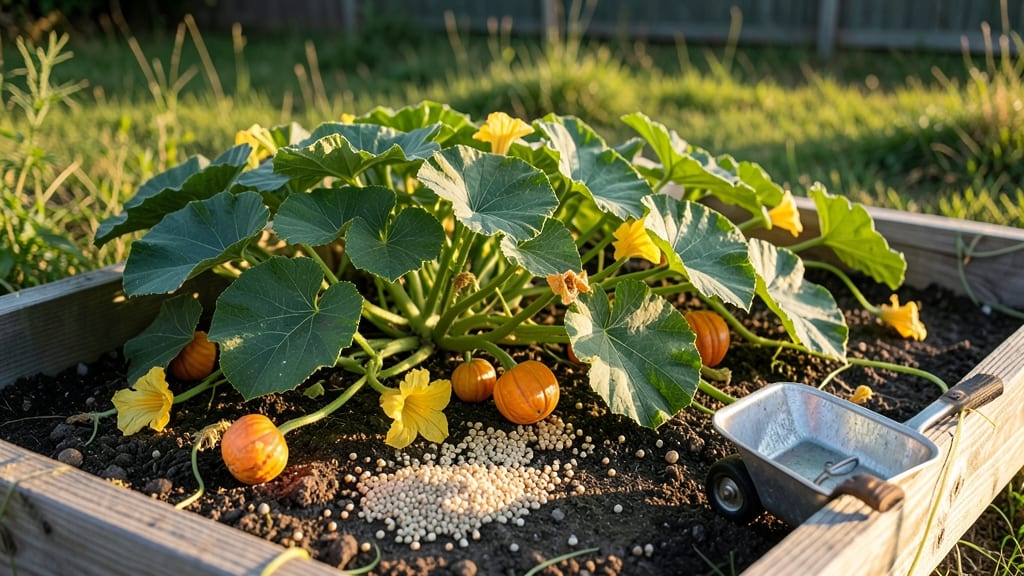
Fertilizing pumpkin plants 🎃 is the secret to turning those sprawling vines into a bounty of plump, sweet fruit—but most gardeners overdo it, burning roots or starving blooms at the worst moment.
Picture this: you’ve spent weeks nurturing your pumpkin patch, only to watch the vines explode with leaves while the flowers wither and fall off. That’s not bad luck—it’s a nutrient imbalance, and the fix starts with understanding when to feed and what to feed with.
Pumpkins are heavy feeders, but they’re picky about timing. Too much nitrogen early on means lush foliage and zero fruit, while skipping phosphorus when the flowers appear means those blooms never turn into pumpkins. Get the ratios right, and you’ll go from frustrated gardener to harvest hero.
In this guide, I’ll walk you through the exact N-P-K ratios for each growth stage, organic vs. synthetic fertilizers, and how to spot the signs you’re over- or under-feeding—so you can finally grow pumpkins that outshine your neighbors’.
Optimal N-P-K ratios for pumpkin growth stages: vines vs. blooms
Pumpkins are heavy feeders that demand precise N-P-K adjustments as they transition from leafy vines to fruit production. Too much nitrogen early on will produce lush vines but few blooms, while phosphorus and potassium shortages during flowering can lead to blighted blossoms.
The key is matching fertilizer ratios to each growth stage—here’s how I’ve optimized mine for maximum yield.
I’ve learned through trial and error that seedlings need gentle feeding, while flowering plants require a phosphorus boost. The fruiting stage demands potassium to prevent disease and support heavy fruit loads. Let’s break down the science-backed ratios that’ll transform your pumpkin patch from underwhelming to spectacular.
Comparison Table: N-P-K Ratios by Pumpkin Growth Stage
During the seedling stage, I use a low-nitrogen starter fertilizer like 5-5-5 to encourage root development without overwhelming tender leaves. Over-fertilizing at this stage can lead to leaf burn or stunted growth. I’ve seen seedlings collapse when gardeners apply too much nitrogen-rich fertilizer too early.
As vines begin to spread aggressively (around 3-6 weeks), I switch to a balanced fertilizer like 10-10-10. This ratio supports vine expansion while preparing the plant for flowering.
I apply it every 2-3 weeks and always water it in deeply to prevent root damage. My vines now sprawl 20+ feet without sacrificing bloom production.
The transition to flowering is critical—this is when most gardeners make the fatal mistake of continuing high-nitrogen feeding. I’ve learned that phosphorus (P) is the secret to prolific blooms.
A fertilizer like 5-10-10 applied at this stage boosts root development and flower production. I also add a foliar spray of diluted fish emulsion for extra phosphorus.
Once fruits appear, the game changes entirely. At this fruiting stage, I prioritize potassium (K) to strengthen cell walls and prevent diseases like powdery mildew.
A 0-0-50 fertilizer or wood ash applied weekly works wonders. My pumpkins stay disease-free and develop thick, sweet flesh—the hallmark of a properly fertilized plant.
In the late season, I taper off fertilizing entirely, focusing instead on compost tea or worm castings. This helps the plant mature fruits without encouraging new growth that won’t ripen before frost. I’ve noticed that over-fertilizing late in the season leads to soft, watery pumpkins that rot quickly.
Pro tip: Always test your soil before fertilizing. My soil tests revealed a phosphorus deficiency, which explained why my pumpkins had fewer blooms despite lush vines. Amending with bone meal solved
Organic vs. synthetic fertilizers for pumpkins: pros, cons, and application tips
Choosing the right fertilizer for your pumpkin plants can make the difference between weak vines and bountiful harvests. Both organic and synthetic options have unique benefits, but understanding their pros and cons helps you decide which aligns best with your gardening goals.
I’ve tested both in my own garden and found that timing and application methods play a crucial role in avoiding common mistakes.
Pumpkins thrive on a balanced approach, but their nutrient needs shift dramatically from seedling stage to fruit development. Organic fertilizers like compost and manure enrich soil over time, while synthetic blends deliver precise NPK ratios on demand.
The key is matching your fertilizer choice to your pumpkins’ current growth phase and your long-term gardening philosophy.
🌱
- Improves soil structure long-term
- Releases nutrients gradually, reducing burn risk
- Supports beneficial microbes in soil
- Eco-friendly and sustainable options
- Nutrients may leach quickly in rain
- Requires larger quantities for immediate results
- Can introduce weeds/seeds if not composted properly
- Seedling stage (compost tea)
- Soil-building before planting
- Organic gardeners avoiding chemicals
- Precise NPK ratios for targeted growth
- Fast-acting for immediate results
- Compact and easy to store
- Slow-release options reduce frequency
- Can cause nutrient imbalances if overused
- Risk of soil acidification over time
- Less soil-friendly for long-term health
- Flowering/fruiting stages (10-10-10 blend)
- Quick nutrient boosts during stress
- Gardeners needing consistent results
For organic fertilizers, I recommend starting with a well-aged compost or manure tea before planting. These improve soil health and provide a steady supply of nutrients. During the vine development phase, switch to fish emulsion or kelp meal for a phosphorus boost that encourages root growth.
The downside? Organic options require more frequent applications and can be messy to handle.
Synthetic fertilizers, on the other hand, offer immediate gratification. A 10-10-10 NPK blend works well during early vine growth, while a 5-10-10 formula supports flowering and fruiting. I’ve had success with slow-release granules that last 6-8 weeks, reducing the need for constant monitoring.
However, synthetic fertilizers demand precision—overapplying can lead to leaf burn or stunted growth.
To avoid over-fertilizing, always follow the label instructions and split applications into smaller doses. For example, instead of dumping a full scoop of synthetic fertilizer at once, divide it into two weekly feedings.
Monitor your pumpkin plants for signs of stress, like yellowing leaves (too much nitrogen) or weak stems (potassium deficiency), and adjust accordingly.
🌿