Pests and Diseases
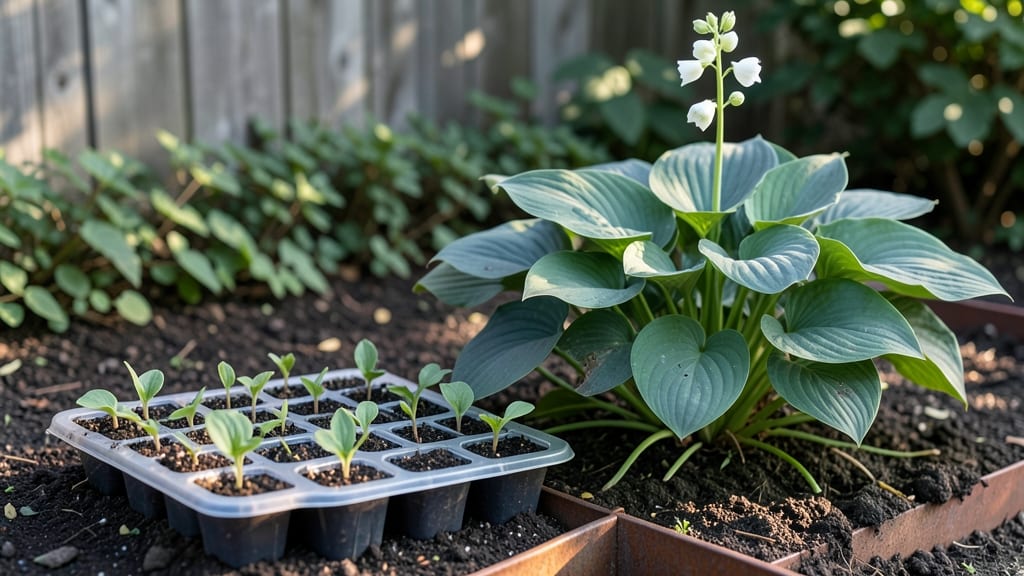
Perfect hosta planting distance turns a shady corner into a lush, low-maintenance showstopper 🌿 — and getting it wrong can mean years of crowded, disease-prone plants.
Picture this: You’ve just planted your dream hostas, only to watch them fight for space in five years, their leaves yellowing from poor airflow and slugs feasting on the damp centers. The right spacing isn’t just about aesthetics—it’s about health, growth, and ease of care.
Most gardeners overlook how much hostas spread over time, but the ideal distance depends on their mature size. A dwarf variety like ‘Blue Mouse Ears’ needs just 12 inches of space, while giants like ‘Sum and Substance’ demand a full 3 feet to thrive.
In this guide, I’ll break down the exact spacing for every hosta type, how to group them for maximum impact, and the three common mistakes that turn a pretty garden into a slug magnet. Let’s make sure your hostas grow happy and strong!
Optimal hosta planting distance by variety size and growth habits
Hostas are stunning shade-loving perennials, but their planting distance makes all the difference between a thriving garden and a crowded mess. Each variety grows differently—dwarf hostas stay compact, while giant varieties can spread aggressively.
Getting the spacing right ensures proper airflow, reduces disease risk, and lets your hostas reach their full potential.
Too little space leads to stunted growth, yellowing leaves, and fungal issues like leaf spot. Too much space wastes garden real estate and disrupts your design.
The key is balancing mature plant dimensions with your garden layout. Let’s break it down by size category so you can plant with confidence.
summary-table
| Variety Type | Mature Spread | Recommended Spacing | Notes |
|---|---|---|---|
| Dwarf Hostas | 6–12 inches | 12–18 inches apart | Ideal for borders, containers, or rock gardens. Examples: 'Blue Mouse Ears', 'Pandora'. |
| Medium Hostas | 12–24 inches | 18–24 inches apart | Versatile for mid-border planting. Examples: 'Francee', 'Guacamole'. |
| Large Hostas | 24–36 inches | 24–36 inches apart | Best for backgrounds or statement plants. Examples: 'Sum and Substance', 'Patriot'. |
| Giant Hostas | 36+ inches | 36+ inches apart | Plant as focal points or in large swaths. Examples: 'Blue Angel', 'Halcyon'. |
For dwarf hostas, like 'Blue Mouse Ears', stick to 12–18 inches of space. These varieties stay small but still need room to breathe. Plant them in clusters of 3–5 for a fuller look without overcrowding.
If you’re using containers, aim for one dwarf hosta per 10-inch pot to prevent root competition.
Medium hostas, such as 'Francee', thrive with 18–24 inches of spacing. This gives their foliage room to spread naturally while keeping the center of the plant open for airflow. If you’re mixing varieties, place medium hostas behind dwarf types to create depth in your shade garden.
When planting large hostas, like 'Sum and Substance', give them 24–36 inches of space. These varieties can reach 3 feet wide at maturity, so cramming them too close leads to leaf yellowing and slug damage. Use them as backdrop plants or group 3–4 together for a dramatic statement.
Giant hostas are the showstoppers of the garden—think 'Blue Angel' or 'Halcyon'. These need at least 36 inches of space, and some varieties, like 'Kabitan', can spread 4 feet or more. Plant them singly or in small groups to highlight their massive blue-green foliage. Avoid placing them near pathways to prevent tripping hazards.
Proper spacing isn’t just about size—it’s also about light exposure. Hostas in full shade can handle slightly tighter spacing (12–18 inches), while those in partial shade need extra room (24–36 inches) to avoid leaf burn. Always check your hosta’s sunlight needs before planting.
One common mistake? Assuming hostas will stay small forever. Most varieties double in size every 3–5 years. If you plant 'Sum and Substance' today at 18 inches apart, you’ll need to dig up and divide it in 5 years to prevent overcrowding.
Plan ahead by leaving extra space or designing for future expansion.
For a cohesive look, group hostas by color or size. Plant 3–5 dwarf hostas together in a pot or border, then layer medium varieties behind them. Use mulch (like shredded bark) to suppress weeds and retain moisture, which helps hostas thrive in their allotted space.
A 2–3 inch layer of mulch also protects roots from temperature swings.
Remember, hostas are perennials, meaning they’ll return year after year. If you’re unsure about spacing, err on the side of more room—you can always add smaller hostas later.
With the right distance, your hostas will reward you with lush foliage, vibrant colors, and minimal maintenance for seasons to come.
Common mistakes that ruin hosta spacing (and how to fix them)
Even experienced gardeners struggle with hosta spacing—it’s easy to underestimate how quickly these perennials spread. I’ve seen beautiful hosta gardens turn into dense, disease-prone jungles because the plants were crowded too soon. The key is balancing airflow, root expansion, and visual appeal from day one.
One of the biggest red flags is yellowing leaves at the base of mature hostas. This isn’t just old foliage—it’s often a sign of root competition or fungal pressure from poor airflow.
I’ve fixed this in my own garden by carefully separating clumps and re-spacing them with 18-24 inches between centers.
Hostas planted closer than 12 inches (for dwarf varieties) or 24 inches (for standard/giant types) create the perfect storm for slug damage, powdery mildew, and root rot.
The humidity trapped between leaves becomes a breeding ground for pathogens. Fix it now: Measure your mature hostas—if their foliage overlaps, it’s time to thin!
Another mistake I see is uneven spacing for aesthetic reasons. While it might look "natural" to plant hostas in random clusters, this creates microclimates where some plants get too much shade while others bake in direct sunlight.
For a cohesive look, I group hostas by size and light needs, creating a grid pattern with 18-inch increments between each plant.
For established hostas that need adjusting, I use the "divide and conquer" method in early spring. Dig around the plant, gently separate the crowns (not roots), and replant the strongest divisions with proper spacing.
Pro tip: Water deeply after transplanting to reduce shock—this gives roots 2-3 weeks to establish before summer heat arrives.
Don’t forget about container hostas! Even in pots, spacing matters. I’ve learned that dwarf varieties need at least 6 inches of space between plants, while standard types should have 12 inches in their containers. The rule of thumb? Double the mature foliage width for container spacing to prevent overcrowding.
Finally, watch for soil compaction in high-traffic areas. I’ve seen hostas planted with perfect spacing turn into a muddy mess because walkways were too close. Always leave 12-18 inches of clearance around hosta beds for maintenance and airflow. A little extra space now saves hours of cleanup later!