Diseases
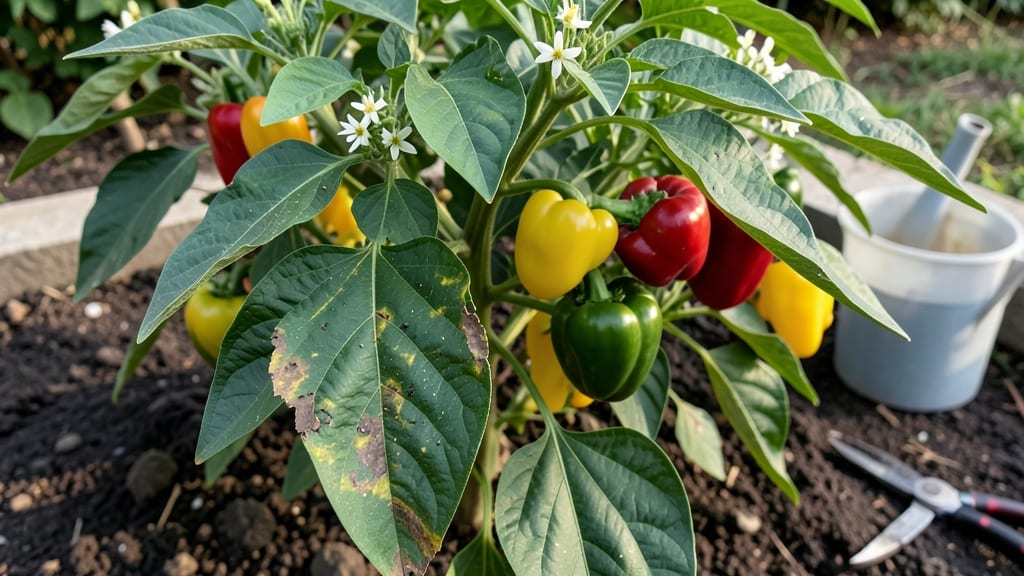
Pepper plant diseases can turn your greenhouse dreams into a soggy mess if you don’t catch them early. 🌱 I’ve lost entire harvests to fuzzy gray mold and blackened stems—until I learned to spot the warning signs before they spread.
The key is acting fast, whether you’re dealing with powdery mildew or bacterial spot.
Most problems start with too much moisture or crowded plants. My peppers thrived until I packed them too close and skipped the afternoon shade—then the trouble began.
You’ll need basic tools like copper fungicide, neem oil, and a spray bottle, but the real game-changer is prevention: spacing plants properly and watering at the base, not overhead.
With the right moves, you’ll save your plants—and your sanity. I’ve turned around wilting leaves and spotted stems using these methods, and so can you. The goal isn’t perfection, but keeping your peppers productive until harvest. Let’s get to the fixes that actually work.
This works for bell peppers, jalapeños, and even chili plants, no matter your growing setup. Whether you’re battling a single leaf or a full-blown outbreak, the strategies here cut through the guesswork. Ready to save your crop?
Root Causes Of Pepper Plant Ailments
Pepper plants, like any living organism, are vulnerable to diseases—but understanding why these issues arise is the first step to prevention. Most pepper plant diseases stem from a mix of environmental stress, poor growing practices, or microbial invaders.
Below, we break down the key factors that turn your thriving peppers into a battleground for pathogens.
Fungal diseases like Phytophthora blight and root rot thrive in damp, stagnant conditions—often because of overcrowded roots. When pepper plants are spaced too closely, airflow is restricted, creating a humid microclimate where fungal spores germinate and spread.
Additionally, compacted or waterlogged soil prevents oxygen from reaching roots, weakening the plant’s natural defenses.
Why it matters: Poor airflow and excess moisture create the perfect breeding ground for Pythium and Phytophthora fungi, which attack root tissues and block nutrient uptake. This leads to wilting, yellowing leaves, and—if untreated—plant death.
Actionable fix:
- Space pepper plants 18–24 inches apart to improve airflow.
- Avoid overwatering; let the top 1–2 inches of soil dry between waterings.
- Use raised beds or containers if your soil drains poorly.
Water is essential, but too much—especially on leaves—is a fast track to fungal infections. Diseases like powdery mildew and leaf spot (caused by Xanthomonas or Alternaria) latch onto moisture-saturated foliage. Overhead irrigation or late-day watering leaves leaves damp overnight, giving spores a 24-hour window to infect.
Why it matters: Fungal spores need free water to germinate. If leaves stay wet for more than 6–12 hours, spores can penetrate stomata (tiny leaf pores) and trigger infections.
Actionable fix:
- Water at the base of the plant (use drip irrigation or soaker hoses).
- Avoid watering in the evening—aim for morning sessions so foliage dries quickly.
- Prune lower leaves to improve airflow and reduce humidity near the soil.
Peppers prefer warmth (70–85°F) and moderate humidity (40–60%). When temperatures dip below 60°F or humidity spikes above 70%, the plant’s immune system weakens, making it susceptible to bacterial spot (Xanthomonas campestris) or downy mildew (Pseudoperonospora).
Why it matters:
- Cold stress: Chilly nights slow pepper metabolism, reducing resistance to pathogens.
- High humidity: Encourages fungal spore germination and bacterial proliferation.
- Sudden temperature swings: Shock the plant, creating entry points for infections.
Actionable fix:
- Use row covers or cloches to protect plants from cold snaps.
- Install a dehumidifier or fan in greenhouses to keep humidity in check.
- Avoid planting peppers in low-lying areas where cold air pools.
A pepper plant starved of nitrogen, phosphorus, or micronutrients (like calcium or magnesium) is like a soldier without armor—easily overrun by pathogens. Deficiencies (e.g., blossom end rot from calcium lack) or over-fertilization with nitrogen (leading to lush but weak growth) both increase disease risk.
Why it matters:
- Nitrogen deficiency: Produces pale, weak leaves that can’t support robust defenses.
- Calcium deficiency: Causes cell walls to weaken, making tissues more vulnerable to Colletotrichum (anthracnose).
- Excess salts (from over-fertilizing): Burns roots, reducing water and nutrient uptake.
Actionable fix:
- Test soil before planting and amend with compost or balanced fertilizer (10-10-10).
- For calcium issues, use crushed eggshells or gypsum.
- Avoid liquid fertilizers during flowering/fruiting—they can burn roots.
Diseases don’t appear out of thin air—they’re carried in by contaminated soil, tools, wind, or even your hands. Fungal spores (e.g., Fusarium) can survive in soil for years, while bacterial infections (like bacterial wilt) spread via infected plant debris or sap-sucking insects.
Why it matters:
- Old soil: May harbor dormant pathogens from previous crops.
- Reused containers/tools: Can transfer spores between plants.
- Wildlife (deer, birds, insects): Spread spores over long distances.
Actionable fix:
- Solarize soil in late summer (cover with clear plastic for 4–6 weeks) to kill pathogens.
- Disinfect tools with 10% bleach solution or rubbing alcohol between uses.
- Remove and destroy (don’t compost) infected plant debris.
- Rotate crops—don’t plant peppers in the same spot for 3+ years.
Fixing fungal foes in peppers
Fungal diseases can turn your thriving pepper plants into a sad, spotted mess—but don’t worry! With the right approach, you can revive your plants and prevent future outbreaks. Below, we’ve mapped out practical fixes for each common pepper plant disease, along with prevention tips to keep your garden healthy.
---
Cause: White, powdery coating on leaves (usually from high humidity or poor airflow). Fix It: - Prune infected leaves 🔪—Remove heavily affected foliage and dispose of it in the trash (not compost). - Spray with neem oil or baking soda solution 🍳—Mix 1 tsp baking soda + 1 tsp dish soap + 1 quart water, then spray early in the morning (avoid direct sun). - Improve airflow ⏰—Space plants 18–24 inches apart and use fans (if indoors) to reduce humidity. - Prevent recurrence: Apply copper fungicide every 7–10 days as a preventive measure.
Pro Tip: 💡 Water at the base—Never wet leaves, as moisture encourages spores.
---
Cause: Dark concentric rings on leaves (from Alternaria solani fungus in wet conditions). Fix It: - Remove all infected leaves 🍂—Burn or trash them to stop spore spread. - Apply fungicide 🛡️—Use copper-based or sulfur spray (follow label instructions) at first sign of spots. - Water deeply but less often 💦—Avoid overhead watering; use drip irrigation instead. - Rotate crops 🌱—Don’t plant peppers or tomatoes in the same spot next season (fungus lingers in soil).
Pro Tip: ✨ Mulch with straw—Keeps soil moist but prevents splashing spores onto leaves.
---
Cause: Sunken, dark lesions on fruits and leaves (thrives in warm, wet weather). Fix It: - Pick and destroy infected peppers 🍅—Don’t compost; bag and discard them. - Sanitize tools & hands 🧼—Wipe pruners with rubbing alcohol between cuts. - Use a fungicide with chlorothalonil 🛡️—Spray every 10–14 days during rainy seasons. - Boost plant health 💪—Ensure 6+ hours of sunlight and balanced fertilizer (high in phosphorus).
Pro Tip: 🌡️ Avoid watering late in the day—Wet leaves overnight = fungus party.
---
Cause: Wilting, brown stems (from waterlogged soil and poor drainage). Fix It: - Improve drainage 🚰—Amend soil with compost or perlite; raise beds if needed. - Remove affected plants 🌳—Dig up and dispose of infected plants (don’t compost). - Apply hydrogen peroxide spray 🧪—Mix 1 tbsp 3% H₂O₂ per quart water to kill spores on leaves. - Prevent future cases: Space plants for airflow and avoid overhead watering.
Pro Tip: 🎯 Test your soil—If it’s too dense, mix in sand or coconut coir for better aeration.
--- Cause: Small, water-soaked spots that turn yellow/brown (spreads via water and tools). Fix It: - Prune infected leaves immediately ⏰—Dispose of them far from the garden. - Disinfect tools 🧼—Soak pruners in bleach water (1:10 ratio) for 10 minutes between uses. - Use copper fungicide 🛡️—Spray every 5–7 days until new growth appears. - Isolate infected plants 🏝️—Keep them away from healthy peppers until fully recovered.
Pro Tip: 💡 Rotate crops—Don’t plant peppers in the same spot for 3+ years to break the bacterial cycle.
--- No matter the disease, prevention is key.
Follow these easy habits to protect your peppers: ✅ Rotate crops annually (avoid planting peppers/tomatoes in the same spot). ✅ Space plants properly (18–24 inches apart for airflow). ✅ Water at the base (never overhead—use drip irrigation). ✅ Clean up debris (remove fallen leaves/fruit promptly). ✅ Use resistant varieties (e.g., ‘Aristotle’ or ‘Carmen’ peppers tolerate blight better). ✅ Apply mulch (straw or grass clippings to prevent soil splashing).
--- Final Thought: 🌱 With quick action and smart prevention, your pepper plants can bounce back stronger than ever. Stay vigilant, and your harvest will thank you!
Frequently asked questions about pepper plant diseases
What are the first signs that my pepper plants have a fungal disease?
Look for white powdery coatings (powdery mildew), dark spots with concentric rings (leaf spot), or yellowing leaves with brown edges (early blight). Check the undersides of leaves first—many fungal spores start there. If you see wilting despite moist soil, it could signal root rot from overwatering.
Can I use household items to treat pepper plant diseases?
Yes! For mild cases, mix 1 teaspoon baking soda + 1 teaspoon dish soap + 1 quart water and spray on leaves (early morning only). Hydrogen peroxide (1 tbsp 3% per quart water) also kills spores. For bacterial issues, copper fungicide is more effective than DIY solutions—stick to organic sprays only for prevention.
Why do my pepper plants get diseases even with good care?
Diseases often spread through contaminated soil, tools, or windborne spores. Even with perfect care, old soil may harbor dormant pathogens. Solarize soil in summer (cover with clear plastic for 4–6 weeks) or use fresh potting mix. Rotate crops annually—never plant peppers in the same spot for 3+ years.
How do I know if my pepper plant has a bacterial or fungal infection?
Bacterial infections (like spot or wilt) show water-soaked lesions that ooze, while fungi create powdery coatings or fuzzy growths. Bacterial spots often have yellow halos; fungi spread slower. Test with a clean knife—if the stem oozes, it’s bacterial. Fungal issues appear as surface growths, not internal damage.
Is it safe to compost pepper plant leaves with diseases?
No—never compost infected plant material. Fungal spores and bacteria survive composting, reinfecting your garden. Bag diseased leaves in sealed plastic and toss them in the trash. For severe cases, burn debris (check local burn regulations) to fully eliminate pathogens.