Diseases
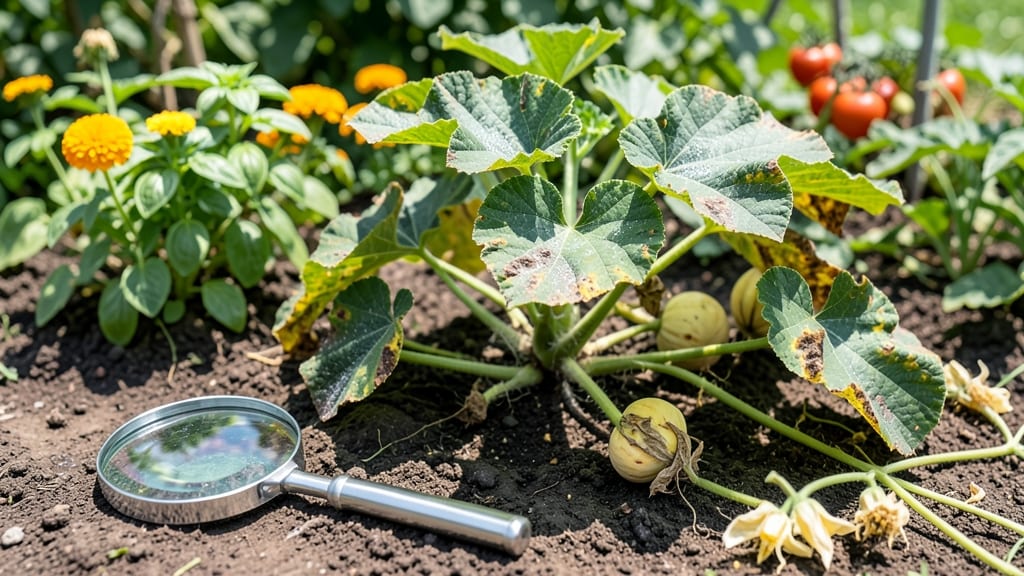
Pumpkin plant diseases strike fast, turning vibrant vines into a sad, spotted mess—unless you act quickly. 🌱 I’ve seen powdery mildew turn a thriving patch into a ghostly white web in just days, and bacterial wilt can collapse a plant overnight.
The key to saving your harvest isn’t guesswork; it’s knowing the symptoms, the triggers, and the fast fixes that work before the damage spreads.
Most fungal threats—like powdery mildew or downy mildew—love warm, humid conditions, while bacterial wilt sneaks in through contaminated soil or tools. The good news?
You can stop them with simple adjustments: spacing plants for airflow, removing infected leaves immediately, and spraying neem oil or copper fungicide at the first sign of trouble. I’ve saved entire patches using these tricks, and so can you.
By the time you finish this guide, you’ll spot early warning signs—yellowing leaves, dark spots, or wilting vines—and know exactly which remedy to grab. No more guessing, no more lost harvests.
Your pumpkins will stay lush, productive, and disease-free, even in the worst growing conditions. Let’s get those vines back in fighting shape.
Whether you’re battling a single plant or a full field, these solutions work fast and keep working long after the first spray. The secret? Acting before the disease takes over. Your future pumpkin patch depends on it—let’s make it happen.
Root Causes Of Pumpkin Plant Ailments
Understanding why pumpkin plants fall victim to diseases is the first step to prevention and treatment. These issues rarely arise in isolation—they’re often the result of environmental stress, poor growing conditions, or microbial invasions.
Below, we break down the key factors that turn your healthy pumpkin patch into a battleground for fungal threats.
---
Pumpkin plants thrive in space, but when they’re packed too tightly, airflow stalls and humidity spikes. This creates the perfect breeding ground for fungal spores like Phytophthora (which causes root rot) and Powdery Mildew.
- Why it happens: - Reduced air circulation traps moisture on leaves, allowing spores to germinate. - Competition for nutrients weakens plants, making them more susceptible to infections. - Shaded, damp soil promotes fungal growth at the roots.
Actionable fix: Space vines 4–6 feet apart and prune excess foliage to improve airflow. Use raised beds if your soil drains poorly.
---
Pumpkins hate "wet feet." Overwatering or heavy clay soil leads to root rot (Pythium or Fusarium) and leaf spots (Alternaria). Even well-drained soil can become problematic if irrigation is inconsistent.
- Why it happens: - Saturated roots cut off oxygen, suffocating beneficial microbes and inviting pathogens. - Fungal spores thrive in moisture—some (like Phytophthora) can survive in water for weeks. - Fungal zoospores (swimming spores) spread rapidly in standing water.
Actionable fix: - Test your soil (aim for 60% sand/silt for drainage). - Water deeply but infrequently—let the top 2 inches dry before rewatering. - Mulch with straw (not plastic) to regulate soil moisture without trapping dampness.
---
Pumpkins are sensitive to heat stress and cool nights. Sudden temperature drops (below 50°F) weaken plants, while prolonged heat (above 90°F) reduces resistance to diseases like downy mildew.
- Why it happens: - Cold stress disrupts cell membranes, making plants more vulnerable to infections. - Heat stress slows photosynthesis, starving plants of energy to fight pathogens. - Condensation from temperature shifts promotes fungal spore germination.
Actionable fix: - Use row covers in early spring to protect young plants. - Plant in late spring (after the last frost) to avoid early-season chills. - Provide afternoon shade (with shade cloth) in scorching climates.
---
Fungal spores persist in soil for years—especially if previous crops (like cucumbers or melons) suffered from the same diseases. Even reused gardening tools can spread infections like Powdery Mildew or Cucumber Mosaic Virus.
- Why it happens: - Pathogen buildup in soil creates a reservoir for reinfection. - Pruners, gloves, and trellises harbor spores if not sanitized. - Compost from diseased plants can reintroduce pathogens.
Actionable fix: - Rotate crops—avoid planting pumpkins in the same spot for 3+ years. - Solarize soil (cover with clear plastic for 4–6 weeks in summer) to kill pathogens. - Disinfect tools with 70% rubbing alcohol or a 10% bleach solution between uses.
--- Insects like cucumber beetles and squash bugs don’t just eat leaves—they inject bacteria (Erwinia tracheiphila) and create wounds where fungi can enter.
- Why it happens: - Pest saliva introduces harmful microbes into plant tissue. - Chewed leaves disrupt the waxy cuticle, making plants more permeable to spores. - Aphids excrete honeydew, fostering sooty mold (a secondary fungal issue).
Actionable fix: - Use row covers to block pests early in the season. - Handpick bugs in the morning (drop them in soapy water). - Apply neem oil (a natural fungicide and insect repellent) preventatively.
--- Pumpkins need balanced nutrition—too much nitrogen (for leafy growth) or deficiencies in phosphorus/potassium weaken their immune response.
- Why it happens: - Excess nitrogen = soft, succulent growth = easier fungal entry. - Low potassium = poor cell wall strength = more susceptible to rot. - Zinc or magnesium deficiencies = stunted growth = reduced disease resistance.
Actionable fix: - Test soil and amend with compost or balanced fertilizer (10-10-10). - Avoid over-fertilizing—follow package rates. - Side-dress with wood ash (for potassium) or Epsom salt (for magnesium) if needed.
--- Many pumpkin diseases (Powdery Mildew, Downy Mildew) spread via windborne spores. If neighboring plants are infected, your pumpkins are at risk—even if they’re healthy now.
- Why it happens: - Spores travel on breezes, landing on moist leaves and germinating within 4–24 hours. - Humidity above 75% accelerates spore germination. - Late-season rains create ideal conditions for leaf blights.
Actionable fix: - Monitor weather forecasts—spray preventative fungicides (like baking soda mix) before rain. - Remove infected plants immediately (don’t compost them—bag and trash). - Plant disease-resistant varieties (e.g., ‘Howden’, ‘Waltham Butternut’).
--- 💡 Pro Tip: Keep a disease journal—note when symptoms appear, weather patterns, and treatments. This helps you predict and prevent future outbreaks.
Fixing Fungal Foes Fast
Now that you’ve identified the culprit behind your pumpkin plant’s woes, it’s time to roll up your sleeves and get to work! 🛡️🌱 The good news? Most fungal diseases can be managed—or even prevented—with the right approach.
Below, we’ve mapped out practical, step-by-step solutions tailored to each common fungal threat, plus prevention tips to keep your pumpkins thriving. Think of this as your battle plan for a healthy harvest.
---
Cause: Erysiphe cichoracearum thrives in humid, shady conditions, coating leaves in a white, powdery film. Fix It: 🔥 Remove Infected Leaves – Snip off heavily mildewed foliage (don’t compost it—dispose of it in the trash) to stop the spread. 🍳 Spray Fungicidal Mix – Combine 1 tbsp baking soda + 1 tsp dish soap + 1 gallon water in a spray bottle. Apply to both leaf surfaces every 7–10 days (or use a neem oil spray for organic control). 👨🍳 Boost Airflow – Space plants 3–4 feet apart and prune vines to improve circulation. Avoid overhead watering. 🌡️ Prevention Pro Tip: 💡 Morning watering (before 10 AM) lets foliage dry faster, discouraging mildew. For extra defense, mulch with straw to keep soil moist (not soggy) and reduce humidity near the plants.
---
Cause: Pseudoperonospora cubensis attacks undersides of leaves, causing yellow spots and fuzzy gray growth. Fix It: 🔪 Prune & Destroy – Cut off infected leaves immediately and sterilize pruners with rubbing alcohol (70% or higher). 🥘 Copper Fungicide Spray – Use copper-based fungicide (like Bordeaux mixture) every 10–14 days for severe cases. For organic growers, milk spray (1 part milk to 9 parts water) works surprisingly well! ⏰ Rotate Planting – Avoid planting cucurbits (pumpkins, squash, melons) in the same spot next year—downy mildew persists in soil. 🎯 Prevention Pro Tip: 🌡️ Resistant varieties like ‘Howden’ or ‘Waltham Butternut’ squash can help. Also, remove all plant debris in fall to break the disease cycle.
---
Cause: Erwinia tracheiphila clogs vascular tissue, causing sudden wilting and yellowing (often mistaken for drought). Fix It: ⚠️ No Cure—Act Fast! – Pull and destroy infected plants immediately to prevent spread. Do not compost them. 🚫 Avoid Squash Bugs – These pests spread the bacteria! Handpick bugs (crush them in soapy water) or use row covers early in the season. 🌱 Crop Rotation – Wait 3–4 years before planting cucurbits in the same area. ✨ Prevention Pro Tip: 💡 Healthy soil = stronger plants. Amend soil with compost and mycorrhizal fungi to boost plant resilience. Drip irrigation (instead of overhead) reduces bacterial splash.
---
Cause: Colletotrichum fungi create dark, sunken lesions on leaves, stems, and fruit—especially in hot, humid weather. Fix It: 🍳 Cleanup & Sterilize – Remove all infected plant material and sterilize tools with bleach (1 part bleach to 9 parts water). 🔥 Fungicide Rotation – Alternate between copper fungicide and chlorothalonil (follow label rates) every 7–10 days for severe outbreaks. 🌡️ Adjust Watering – Water early in the day and at the base (not leaves). Use drip irrigation to keep foliage dry. 🎯 Prevention Pro Tip: 💡 Solarize soil in late summer (cover with clear plastic for 4–6 weeks) to kill fungal spores before replanting.
---
No matter the disease, these universal strategies will strengthen your pumpkin plants’ defenses: - 🌿 Companion Planting: Interplant with marigolds, garlic, or thyme—these repel pests and improve airflow. - 🌡️ Soil Health: Test soil pH (aim for 6.0–6.8) and add compost or worm castings for nutrients. - 🛡️ Protective Barriers: Use row covers early in the season to block spores. - 🔄 Crop Rotation: Never plant cucurbits (pumpkins, squash, melons) in the same spot two years in a row.
--- Remember: Early action is key! The moment you spot symptoms, isolate the plant, clean up debris, and apply treatments. With these fixes, your pumpkin patch can bounce back stronger than ever—ready for a bountiful, disease-free harvest! 🎃💪
Frequently asked questions
What’s the first sign my pumpkin plants have powdery mildew?
Look for a white, powdery coating on the top of leaves—like dusting flour. Early stages show as tiny white spots that spread quickly in humid conditions. Check undersides too, as mildew often starts there before moving upward.
Can I still save my pumpkins if they have bacterial wilt?
No cure exists for bacterial wilt—remove infected plants immediately to prevent spread. The bacteria clogs the plant’s vascular system, causing sudden wilting. Sterilize tools and rotate crops for 3+ years to break the cycle.
How often should I spray fungicide for prevention?
Apply every 7–14 days during peak humidity (summer). Start preventatively at first signs of stress, not after symptoms appear. Alternate between copper-based sprays and organic options like neem oil to avoid resistance.
Why does downy mildew only appear on leaf undersides?
Downy mildew spores thrive in moist, shaded conditions—leaf undersides trap humidity longer. The fungus needs high humidity (>75%) to germinate, which is why it’s common after rain or overhead watering.
Will compost from last year’s diseased pumpkins help this year?
Never use compost containing diseased plants—it spreads pathogens! Instead, bag infected debris and trash it. Solarize soil (cover with clear plastic for 4–6 weeks) to kill lingering spores before replanting.