Container Gardens
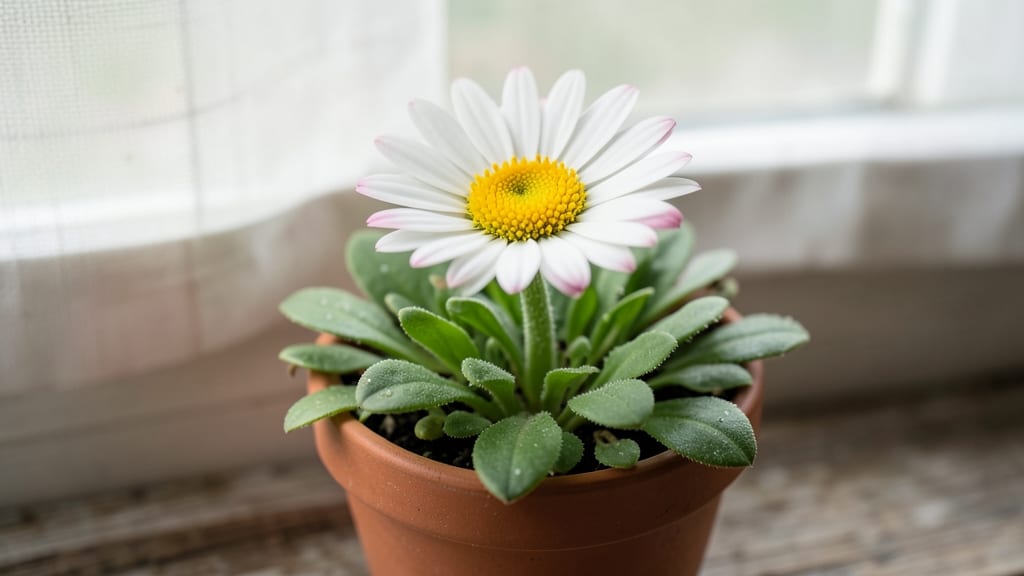
Growing a daisy indoor plant like a vibrant 🌼 Gerbera Daisy isn’t about luck—it’s about understanding the one thing that makes or breaks blooms: light.
Struggling to keep your indoor daisy plant blooming? The secret isn’t just water or soil—it’s mastering the light tricks that transform sparse stems into a vibrant, year-round floral display. Even low-light spaces can become daisy paradises with the right techniques.
Bright indirect light is the key for Gerbera Daisies (Indoor), but most homes fall short. Too little light means leggy stems and few blooms, while too much can scorch delicate petals. The good news? A few simple adjustments can turn your 5-minute daily routine into a blooming success.
In this guide, I’ll show you how to read your plant’s light needs, fix common mistakes, and use artificial lighting to keep your daisy thriving—no green thumb required.


Optimal light conditions for indoor daisy blooms: sunlight vs artificial lighting
Indoor daisies thrive on 4-6 hours of bright, indirect sunlight daily, but most homes struggle to provide consistent natural light—especially in winter. Without the right light exposure, your daisies will stretch toward light (a sign of etiolation), produce fewer blooms, and weaken over time.
The good news? You can mimic ideal growing conditions with artificial grow lights or simple window placement tricks.
Daisies are light-hungry plants that need more than dim corner lighting.
South-facing windows offer the strongest natural light, but even these can fall short during cloudy days or short winter daylight hours. East or west-facing windows provide gentler morning or afternoon sun, which works well if you supplement with a grow light for 2-3 hours in the afternoon or evening.
Before investing in grow lights, test your space with a simple light deficiency check. Place your daisy near a window for a week and observe: if leaves turn pale, stems elongate, or buds fail to open, you’re dealing with insufficient light.
If leaves scorch or crisp at the edges, your plant is getting too much direct sun.
🌼
For winter months, when natural light drops below 4 hours daily, I recommend a 12-14 hour light schedule using a full-spectrum LED grow light.
Place the light 6-12 inches above your daisy and set a timer for morning and evening sessions to mimic sunlight patterns. Blue spectrum LEDs (6400K) promote foliage growth, while red spectrum LEDs (2700K) encourage blooming—use a combo bulb for best results.
If you’re using natural light only, rotate your daisy quarter-turn weekly to prevent uneven growth toward the light source. South-facing windows are ideal, but avoid placing your plant directly on the windowsill—indirect light prevents leaf scorch. Instead, position it 2-3 feet back where it receives dappled sunlight.
One common mistake is assuming more light is always better. Daisies can burn in direct midday sun, especially in summer. Look for yellowing leaves or crispy edges as warning signs. Move your plant to a shadier spot immediately and increase humidity with a pebble tray to help recovery.
For low-light spaces, combine a grow light with a reflective surface (like aluminum foil on the back of a mirror) to maximize light distribution. This trick can double the effective light your daisy receives without extra cost.
Pair it with a fertilizer low in nitrogen to encourage blooming over leafy growth.
💡
5 Lighting hacks to revive a non-blooming daisy plant
Your indoor daisy plant might be sending up lush green leaves but refusing to bloom? The issue likely lies in its light exposure. Daisies need bright indirect light for at least 4-6 hours daily, but most indoor spaces struggle to provide consistent lighting.
The good news? With a few clever lighting hacks, you can trick your plant into flowering like a pro—no fancy grow lights required.
Start by observing your daisy’s current light source. If it’s placed near a south-facing window, it might need protection from harsh afternoon rays. For east or west windows, the light is ideal, but you’ll still need to rotate the pot weekly to prevent uneven growth.
Even artificial light can work if positioned correctly—think fluorescent bulbs or LED grow lights placed 6-12 inches above the foliage.
- Rotate your daisy every 3-5 days to ensure all sides get equal bright indirect light. Use a timer if you’re forgetful—consistency is key!
- DIY light booster: Place a white reflective tray or aluminum foil behind the pot to bounce extra light onto the leaves. Works like a mirror for free!
- Upgrade to LED grow bulbs (6500K color temp) if natural light is insufficient. Affordable options like full-spectrum LEDs mimic sunlight perfectly for 4-6 hours daily.
- Move closer to the window during winter months. South-facing windows provide the most light, but even east/west windows can work if the pot is within 2 feet.
- Prune leggy stems to redirect energy toward blooming. Cut back overly elongated growth by 1/3 to encourage bushier, flower-producing foliage.
Don’t overlook the power of seasonal adjustments. In winter, when daylight shrinks, supplement with a timer-controlled grow light for 6 hours daily. Even a simple fluorescent bulb (like a T5 HO bulb) can make a difference.
Pair this with a balanced fertilizer (10-10-10) every 4-6 weeks to support bloom production.
Pro tip: Watch for light deficiency signs like yellowing leaves or stems stretching toward the light. These are clear signals your daisy needs more bright indirect light. With these hacks, you’ll see buds forming in as little as 2-3 weeks—no black thumb required!
Remember, daisies are resilient. Even a low-light space can work if you combine these tricks with proper watering (keep soil consistently moist but not soggy) and well-draining soil. Soon, your indoor daisy will be a blooming beauty all year round! 🌼