Pests
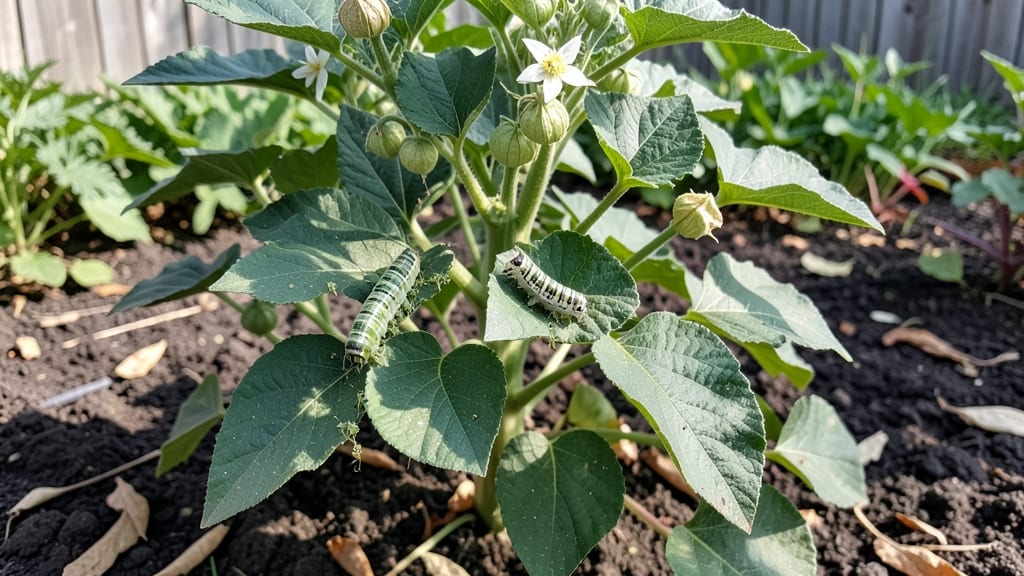
Tomatillo pests like aphids and hornworms can turn your lush plants into a buffet—unless you act fast. 🌱 I’ve watched entire harvests vanish overnight, but I’ve also learned which organic sprays and companion plants keep these green invaders at bay without harsh chemicals.
The key is catching problems early, when a simple spray or handpick can save your crop.
Most damage starts small: curled leaves from aphids, chewed stems from hornworms, or white powdery spots from mildew. These pests thrive when plants are stressed, so healthy soil and good airflow are your first line of defense.
I’ll show you how to spot trouble before it spreads, using simple checks like shaking plants over a white sheet to find hidden bugs.
By the end, you’ll have a foolproof routine: weekly inspections, targeted sprays (like neem oil for aphids), and natural predators (like ladybugs for whiteflies). Your tomatillos won’t just survive—they’ll thrive, producing jewel-toned fruits without a single blemish. Let’s get those plants back in fighting shape.
This works for container gardens, raised beds, or backyard plots—no matter how pests try to crash your harvest. The secret? Staying one step ahead. Ready to reclaim your garden?
Root Causes of Tomatillo Pest Problems
Tomatillo plants, with their delicate foliage and vibrant green husks, are a magnet for pests—but why do these critters target them in the first place? The answer lies in a mix of environmental factors, plant vulnerabilities, and the natural behaviors of insects and pathogens.
Understanding these root causes helps you take proactive steps to protect your crop before issues escalate.
---
Tomatillos, like all plants, rely on a strong immune system to fend off pests. When their defenses are compromised, they become easy targets. Here’s what weakens them:
- Nutrient Deficiencies - A lack of nitrogen (N) or phosphorus (P) stunts growth, making plants less resilient.
Pests like aphids and spider mites thrive on stressed, slow-growing tomatillos because they can’t produce enough sap or new leaves to recover. - Actionable fix: Test your soil and amend with compost or a balanced organic fertilizer (e.g., fish emulsion or bone meal) to boost immunity.
- Overcrowding & Poor Airflow - Dense plantings trap moisture and block sunlight, creating the perfect conditions for fungal pests (like powdery mildew) and soft-bodied insects (e.g., whiteflies).
Poor airflow also slows drying between waterings, inviting root rot and attracting fungus-loving pests. - Actionable fix: Space tomatillos 18–24 inches apart and prune lower leaves to improve airflow.
- Water Stress - Underwatering causes wilting, which attracts sap-sucking pests (e.g., thrips) searching for easy meals. Overwatering leads to soggy soil, inviting fungal pests and root-damaging nematodes. - Actionable fix: Water deeply 1–2 times per week (depending on climate) and ensure well-draining soil.
---
Some pests zero in on tomatillos because of their scent, color, or sap composition. Here’s why they’re irresistible:
- Sweet Smells & Bright Colors - Tomatillos emit volatile organic compounds (VOCs) that attract beneficial insects—but also pests like hornworms and stink bugs.
Their green husks and yellow flowers can lure pollinators and pests that mistake them for food. - Actionable fix: Use yellow sticky traps near plants to catch flying pests early, or plant basil or marigolds nearby to mask the scent.
- High-Sugar Sap - Aphids and whiteflies are drawn to the sticky, sugary sap of tomatillo leaves and stems.
Once they feed, they excrete honeydew, which attracts ants and fosters sooty mold—a black fungal growth that weakens the plant further. - Actionable fix: Spray plants with neem oil or insecticidal soap to disrupt their feeding cycle.
- Moisture-Loving Invaders - Pests like slugs, snails, and cutworms are attracted to damp soil and mulch. Tomatillos planted in shady, humid areas become prime targets. - Actionable fix: Apply diatomaceous earth around the base of plants and use copper barriers to deter slugs.
---
Climate and seasonal shifts play a huge role in pest outbreaks. Tomatillos are particularly vulnerable during:
- Warm, Dry Conditions - Heat stress makes plants drought-prone, weakening their ability to repel pests like spider mites (which thrive in dry air).
Lack of rain also concentrates sugars in leaves, making them more appealing. - Actionable fix: Mulch with straw or grass clippings to retain moisture and reduce temperature swings.
- Sudden Temperature Drops - Cold snaps can shock tomatillos, making them susceptible to viral diseases (transmitted by aphids) and fungal infections (like early blight).
Pests like harlequin bugs also become more aggressive in cooler weather. - Actionable fix: Use frost cloth in early spring/fall and row covers to protect young plants.
- Poor Soil Drainage - Waterlogged soil drowns roots and invites nematodes and root maggots. These pests feed on roots, stunting growth and making plants more attractive to above-ground pests. - Actionable fix: Amend clay soil with sand or perlite and avoid planting in low-lying areas where water pools.
--- Even well-meaning gardening practices can inadvertently invite pests. Common mistakes include:
- Over-Fertilizing with Nitrogen - Too much nitrogen produces lush, tender growth that pests like cabbage loopers and hornworms love to devour. - Actionable fix: Use a balanced fertilizer (e.g., 5-5-5) and avoid late-season nitrogen boosts.
- Ignoring Weeds & Debris - Weeds harbor alternative host plants for pests (e.g., milkweed for aphids). Dead plant matter also provides hiding spots for earwigs and cutworms. - Actionable fix: Keep the garden weed-free and remove fallen husks/debris promptly.
- Skipping Crop Rotation - Planting tomatillos in the same spot yearly allows soil-borne pests (like nematodes) to build up. These microscopic worms weaken roots, making plants more susceptible to other pests. - Actionable fix: Rotate with non-nightshade crops (e.g., beans, lettuce) every 2–3 years.
--- Pest problems in tomatillos rarely happen in isolation—they’re usually a chain reaction triggered by stress, poor growing conditions, or pest attraction factors. By addressing nutrient balance, airflow, moisture, and environmental triggers, you can break the cycle before it starts. 🚀 The goal? Healthy plants = fewer pests.
Quick Fixes for Tomatillo Plant Pests
When pests invade your tomatillo plants, acting fast is key to keeping your harvest thriving. Below are practical, organic solutions tailored to common culprits—from chewers to suckers—plus prevention tips to stop future attacks. Think of this as your pest-fighting toolkit, ready for action!
---
Signs: Large green caterpillars with white stripes, half-eaten leaves, and frass (poop) everywhere.
How to Fix It: 🔥 Handpick & Drown - Morning patrol: Check leaves (especially undersides) for hornworms. Drop them into a bucket of soapy water—no chemicals needed! - Pro tip: 💡 Use a flashlight at dusk to spot nocturnal munchers hiding in foliage.
🍳 Homemade Spray (Safe & Effective) Mix 1 tsp neem oil + 1 tsp dish soap + 1 quart water in a spray bottle. Apply every 3–5 days to deter eggs and young larvae. ⚠️ Test on a small leaf first—some plants are sensitive to soap.
👨🍳 Encourage Predators - Ladybugs, lacewings, and parasitic wasps love hornworms. Plant dill, fennel, or marigolds nearby to attract them. - Release 50–100 ladybugs per plant at dawn (they’re less stressed in cool weather).
🌡️ Prevention - Rotate crops yearly to disrupt life cycles. - Mulch with straw—it hides pests from birds and makes handpicking easier.
---
Signs: Sticky residue (honeydew), curled leaves, and tiny flying insects when disturbed.
How to Fix It: 🔪 Blast Them Off - Strong water spray: Use a hose nozzle to dislodge aphids from stems and leaves. Do this early morning to avoid shocking plants.
🥘 Neem Oil or Insecticidal Soap - Recipe: 2 tbsp neem oil + 1 tsp castile soap + 1 gallon water. Spray directly on pests (they’ll drop off). Repeat every 5–7 days. - Bonus: Add 1 tsp garlic oil for extra repellent power.
🎯 Yellow Sticky Traps - Hang yellow cards coated with petroleum jelly near plants to catch whiteflies. Check traps daily and replace when saturated.
✨ Prevention - Interplant with basil or garlic—their strong scents repel aphids. - Encourage parasitic wasps (they lay eggs inside aphids—nature’s pest control!).
---
Signs: Fine webbing on leaves, yellow stippling, and a "dusty" appearance.
How to Fix It: 🌡️ Increase Humidity - Mist plants daily or place a shallow tray of water near them. Spider mites hate humidity (they thrive in dry conditions).
💡 Neem Oil or Horticultural Oil - Mix: 1 tbsp horticultural oil + 1 tsp mild soap + 1 quart water. Spray thoroughly, including leaf undersides. Reapply every 4–5 days.
🔥 Introduce Predatory Mites - **Release Phytoseiulus persimilis (a beneficial mite) to hunt spider mites. They’re selective and won’t harm your plants.
🎯 Prevention - Avoid over-fertilizing (weak plants attract mites). - Prune crowded foliage to improve airflow and reduce hiding spots.
---
Signs: Plants suddenly wilt or snap at the base—no visible damage above soil.
How to Fix It: ⏰ Nighttime Patrol - Shine a flashlight around plants at dusk. Cutworms are active after dark—crush or drop them in soapy water.
🍳 DIY Collar Barrier - Materials: Cardboard tubes, aluminum foil, or plastic collars. - How-to: Wrap 3–4 inches around stems 1 inch deep in soil. Secure tightly—cutworms can’t climb!
👨🍳 Beauveria Bassiana (Fungal Spray) - Organic fungus that infects cutworms. Mix 1 tbsp fungal powder + 1 quart water and spray at dusk.
💡 Prevention - Remove garden debris (cutworms hide in mulch and weeds). - Plant basil or thyme nearby—their scent deters them.
---
- Crop Rotation: Move tomatillos to a new spot every 2–3 years to break pest cycles. - Healthy Soil = Strong Plants: Use compost and worm castings to boost plant resilience. - Diversity is Key: Interplant with nasturtiums, marigolds, or onions to confuse pests. - Early Detection: Check plants weekly for eggs, webbing, or chewed leaves.
--- Final Thought: 🌱 With these organic, hands-on fixes, your tomatillos will bounce back stronger. Prevention is your best weapon, but when pests strike, act fast**—your harvest depends on it!
Frequently asked questions
What are the most common pests that attack tomatillo plants?
Tomatillo plants are most commonly targeted by hornworms, aphids, whiteflies, spider mites, and cutworms. These pests thrive on the tender foliage and sap-rich stems. Early detection is key—check undersides of leaves and stems regularly for signs like chewed edges, sticky residue (honeydew), or fine webbing.
How do I know if my tomatillo plants have spider mites?
Look for fine webbing on leaves, tiny yellow or brown speckles (stippling), and a dusty appearance on leaf surfaces. Spider mites love dry, warm conditions, so if your plants are stressed from drought or poor airflow, they’re especially vulnerable. Use a magnifying glass to spot the mites themselves—they’re barely visible to the naked eye.
Can I use neem oil on tomatillo plants?
Yes! Neem oil is one of the safest and most effective organic treatments for aphids, whiteflies, and spider mites. Mix 1 teaspoon neem oil + 1 teaspoon mild dish soap + 1 quart water and spray directly on pests. Apply in the early morning or evening to avoid harming beneficial insects like bees. Reapply every 5–7 days until pests are gone.
What’s the best way to prevent cutworms from damaging my tomatillo seedlings?
Cutworms are nocturnal chewers that attack young plants at soil level. Create a physical barrier by wrapping the base of seedlings with cardboard tubes, aluminum foil, or plastic collars buried 1 inch deep in soil. Alternatively, release beneficial nematodes (Phasmarhabditis hermaphrodita) into the soil—they hunt cutworms naturally.
Are there any companion plants that repel tomatillo pests?
Plant basil, marigolds, or nasturtiums nearby to deter aphids, whiteflies, and hornworms. These companions mask the scent of tomatillos and attract beneficial predators like ladybugs and parasitic wasps. For slugs and cutworms, try thyme or garlic—their strong aroma keeps these pests at bay.