How To
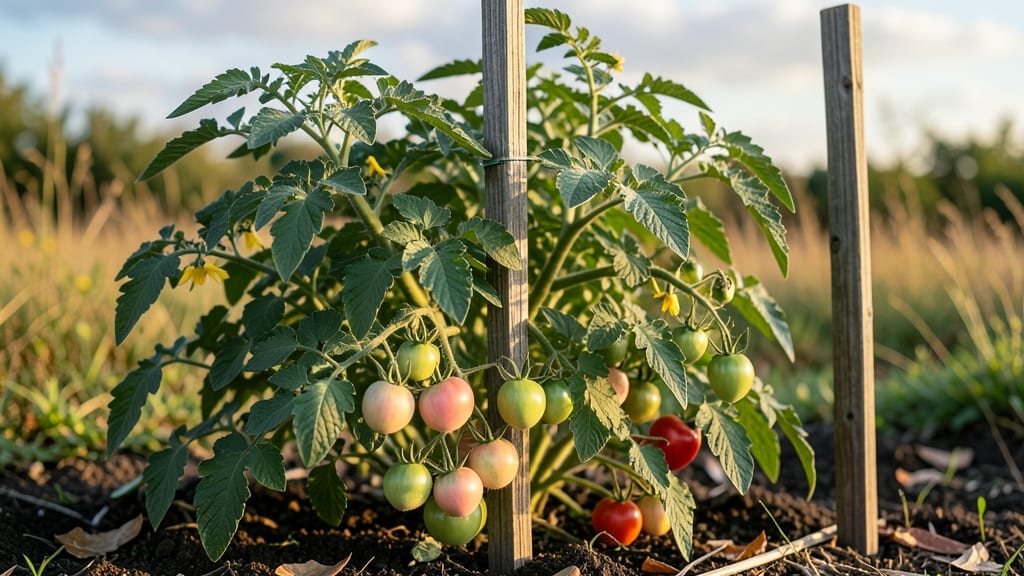
Tomato plants grow anywhere from 1 foot to towering 10 feet tall, depending on the variety you choose—so picking the right one for your garden space is the first step to avoiding a tangled mess.
Picture this: a 3-foot cherry tomato bush bursting with fruit next to a 6-foot indeterminate vine that needs a ladder to pick. The difference between the two isn’t just height—it’s how you’ll stake, prune, and even harvest them.
And yes, that sprawling vine will take over your trellis if you don’t train it right.
Determinate varieties (the bush types) top out around 3-5 feet, making them perfect for containers or small gardens, while indeterminate varieties (the vining giants) can keep growing all season long if you give them support.
In Zone 6a, where spring planting kicks off in April, knowing these heights helps you plan spacing, sunlight, and even when to start harvesting.
Below, I’ll break down the exact heights by variety, how to keep those vines in check, and the one pruning mistake that stunts growth faster than anything else. No more guessing—just a clear, actionable guide to get your tomatoes soaring (or staying compact) the right way.


Tomato plant height by variety: dwarf to vining giants
Choosing the right tomato variety isn’t just about flavor—it’s about space planning. Some varieties stay compact like bush tomatoes, while others climb like vining giants, reaching heights that require ladders. Knowing these differences helps you maximize yield and avoid overcrowding.
Whether you have a balcony garden or a sprawling backyard, the right variety ensures your plants thrive without turning your plot into a jungle.
Tomato plants fall into three main categories: determinate (bush), indeterminate (vining), and heirloom types. Determinate varieties grow to a fixed height and produce fruit all at once, making them ideal for container gardening. Indeterminate varieties, on the other hand, keep growing and producing fruit until frost, often requiring support structures.
Heirlooms can span both categories, with some staying short and others stretching skyward.
Here’s how to match your garden space to the perfect tomato variety. The table below breaks down average mature heights, growth habits, and ideal uses for popular varieties.
Whether you’re a beginner gardener or a seasoned pro, this guide helps you pick the right plant for your harvest goals.
🌱
| Variety Type | Common Varieties | Mature Height | Growth Habit | Best For |
|---|---|---|---|---|
| Dwarf/Compact | Tiny Tim, Patio, Bush Early Girl | 1–3 feet | Determinate (bush) | Containers, small spaces, balconies |
| Semi-Dwarf | Roma, Celebrity, Stupice | 3–4 feet | Determinate (bush) | Small gardens, raised beds, cages |
| Standard Bush | Better Boy, Big Beef, Cherry | 4–5 feet | Determinate (bush) or semi-indeterminate | In-ground plots, trellises, cages |
| Indeterminate (Vining) | Sungold, Brandywine, Cherokee Purple | 6–12+ feet | Indeterminate (continuous growth) | Trellises, stakes, large gardens |
| Heirloom (Varies) | Black Krim, Mortgage Lifter, Green Zebra | 4–10 feet | Determinate or indeterminate | Specialty harvests, trellises, or sprawling beds |
If you’re growing tomatoes in containers, stick to dwarf or semi-dwarf varieties like Patio or Tiny Tim. These stay under 3 feet and thrive in 5-gallon pots with proper support cages.
For in-ground gardens, indeterminate varieties like Sungold or Brandywine can reach 10 feet or taller, so plan for trellises or stakes to keep them off the ground and improve air circulation.
Heirloom tomatoes often surprise gardeners with their unpredictable heights. Some, like Black Krim, stay compact, while others, like Mortgage Lifter, can sprawl 10+ feet if left unchecked. Always check the seed packet or plant tag for height ranges, but be prepared for variations—especially with open-pollinated heirlooms.
Pruning plays a huge role in managing tomato plant height. For indeterminate varieties, regular pruning of suckers (the small shoots in leaf axils) encourages vertical growth and directs energy to fruit production. Determinate varieties need minimal pruning, but removing lower leaves improves airflow and reduces disease risk.
Always use clean, sharp pruners to avoid damaging the plant.
Support structures aren’t just for tall varieties—they also protect fruit from rot and make harvesting easier. Cages work well for bush varieties, while trellises are better for indeterminate climbers. If you’re short on space, consider vertical gardening with wall-mounted trellises or hanging baskets for cherry tomatoes.
Just ensure your support can handle the weight of ripe fruit—a 6-foot vine with heavy tomatoes can weigh 20+ pounds!
One common mistake is assuming all tomatoes need the same support level. Cherry tomatoes, even if indeterminate, often stay 4–6 feet tall and can thrive in small cages.
Meanwhile, beefsteak varieties like Brandywine can top 10 feet and require sturdy stakes or trellises. Always match your support structure to the plant’s mature height and fruit weight.
For small-space gardeners, consider dwarf cherry tomatoes like Tumbling Tom, which spill over hanging baskets but stay under 2 feet tall. These are perfect for patios or decks and produce abundant fruit without taking up ground space.
If you love heirloom flavors but lack room, look for bush heirlooms like Stupice, which max out at 3 feet while delivering sweet, juicy tomatoes.
🌿
How to train tall tomato plants for maximum yield
If you’re growing indeterminate tomato varieties like Sungold or Brandywine, you’re in for a treat—and a challenge. These vining giants can reach 6 to 10 feet tall if left unchecked, producing fruit all season long.
But without proper support, their sprawling growth leads to poor air circulation, disease risks, and wasted energy. The key? Choosing the right training method early to guide their growth vertically, not horizontally.
Training tall tomato plants isn’t just about propping them up—it’s about maximizing sunlight exposure, preventing fungal diseases, and ensuring every leaf contributes to fruit production. Whether you opt for stakes, cages, or trellises, each method has trade-offs.
I’ll walk you through the best options, when to prune, and how to avoid common pitfalls that turn lush vines into tangled messes.
How Tall Do Tomato Plants Grow?
1–4 ft tall
Bushy, compact growth; stops at maturity.
6–10+ ft tall
Vining, continuous growth; needs support.
4–8 ft tall
Often indeterminate; may need heavy-duty support.
1–3 ft tall
Ideal for containers; minimal training needed.
For indeterminate tomatoes, trellising is often the gold standard because it directs growth upward while allowing unobstructed airflow. Use a sturdy wooden or metal trellis, and weave the main stem through the slats as it grows.
This method works best in small-space gardens or when you want to save space for other plants. However, trellising requires regular tying with soft plant ties or strips of fabric—never wire, which can damage stems.
If you prefer low-maintenance support, tomato cages are a great alternative, especially for heirloom varieties that need extra stability. Opt for 5–6 foot cages to accommodate vining growth, and place them at planting time to avoid disturbing roots later.
The downside? Cages can become crowded as plants mature, reducing air circulation and increasing blight risks. To mitigate this, prune suckers (the shoots that grow between the stem and branches) weekly to keep the plant open.
Staking is another popular method, particularly for heavy-fruiting varieties like Beefsteak tomatoes. Drive a 6-foot bamboo or metal stake into the ground next to each plant and tie the main stem loosely with soft ties every 12–18 inches. Staking gives you the most control over plant direction and makes harvesting easier, but it demands more time to tie stems as they grow. For windy areas, consider double staking with two stakes on opposite sides for extra stability.
No matter which method you choose, pruning is non-negotiable for tall tomato plants. Remove suckers (the shoots in the leaf axils) regularly to redirect energy to fruit production. Also, prune lower leaves to improve airflow and reduce disease risks.
Start pruning when plants hit 3–4 feet tall, and always use sterilized pruners to prevent spreading pathogens. The goal? A single, strong stem with well-spaced branches for maximum sunlight penetration.