Pests
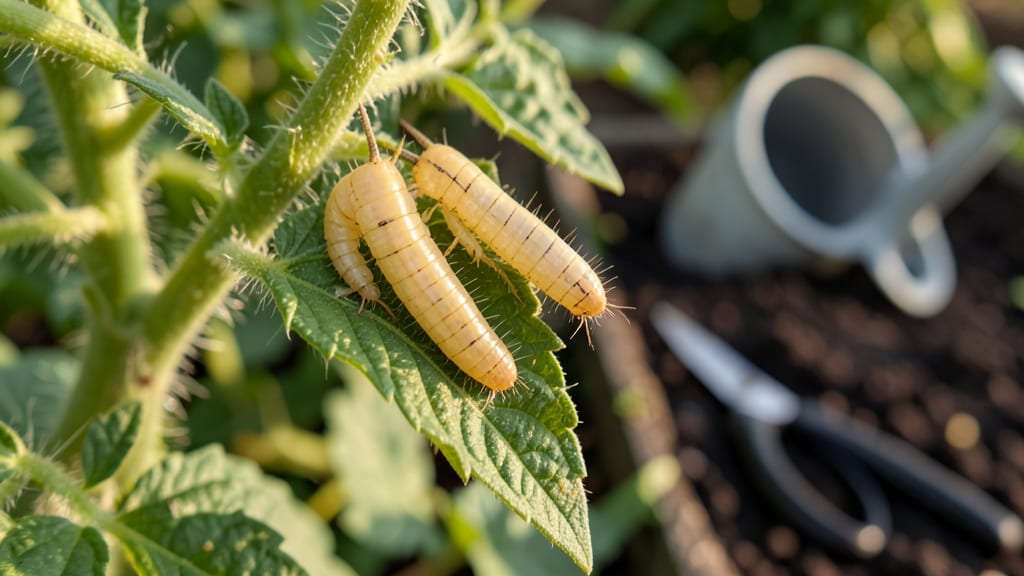
Tomato plant grubs are the sneaky culprits behind sudden wilting and collapsed stems—those white, C-shaped larvae tunneling through your plants' roots. 🌱 I've battled them in my garden, and the key is catching them early before they turn your thriving tomatoes into a sad, half-dead mess.
The good news? You don’t need harsh chemicals to win this fight.
These pests thrive in moist, organic-rich soil, where they munch on roots unseen until your plants start looking stressed. The first signs are wilting leaves, stunted growth, or plants that topple over easily—like they’ve been hollowed out from the inside.
My breakthrough came when I swapped chemical sprays for targeted organic solutions that actually work, without harming my soil or pollinators.
With just three natural steps—soil treatment, plant protection, and prevention—you’ll reclaim your tomato plants in weeks. No more guessing games or wasted effort. The results? Stronger roots, fuller vines, and tomatoes that stay upright until harvest day. Let’s get those grubs out of your garden for good.
This method works for both container and in-ground tomatoes, and it’s safe to use even if you’re growing food for your family. The secret lies in understanding their life cycle and hitting them at the right time—before they become a full-blown infestation.
Hidden Culprits Behind Tomato Damage
Understanding why tomato plants fall prey to grubs starts with recognizing the environmental triggers and behavioral patterns of these underground pests. Unlike visible insects, grubs are the larval stage of beetles (like Japanese beetles or June bugs) and thrive in specific conditions.
Here’s a breakdown of the key factors that turn your lush tomato plants into a grub buffet:
---
Grubs are soil-loving larvae, and their presence is often tied to the health and composition of your garden bed. Here’s what makes your soil a prime target:
- Rich, Moist Organic Matter 🌱 Grubs adore decaying plant material, compost, and well-drained yet moist soil—the perfect nursery for their development. If your tomato plants are in freshly amended soil (especially with grass clippings or manure), you’re essentially rolling out the welcome mat.
- Compacted or Heavy Clay Soil 🏗️ Dense soil traps moisture and creates an ideal microclimate for grubs. They can’t burrow easily in loose, sandy soil but thrive where roots struggle—meaning your tomatoes get starved of nutrients while grubs feast underground.
- Overwatered or Poorly Drained Areas 💦 Grubs drown in waterlogged soil, but they also avoid dry conditions. A consistently damp (but not soggy) environment is their sweet spot. If your tomatoes are in a low-lying spot where water pools, grubs will move in en masse.
---
Grubs don’t appear out of nowhere—they’re the offspring of adult beetles, and their arrival is seasonal. Here’s how their lifecycle works against your tomatoes:
- Adult Beetles Lay Eggs in Summer 🐞 Japanese beetles and June bugs emerge in late spring to early summer and lay eggs in grassy areas, lawns, or garden edges.
If your tomato patch is near a lawn or overgrown grass, the eggs will hatch into grubs near your plants.
- Grubs Mature Underground Over Fall & Winter ❄️ Once hatched, grubs overwinter in the soil, feeding on roots until spring. By the time you notice wilting, stunted, or yellowing tomato plants, they’ve already been munching for months.
- Peak Feeding in Early Spring 🌱 Grubs are most aggressive in spring, when they’re 1-2 inches long and hungry after their winter nap. This is when they sever tomato roots, causing plants to collapse or fail to thrive.
---
Sometimes, how you garden accidentally creates the perfect grub habitat. These common mistakes make your tomatoes a target:
- Planting Tomatoes in Old Lawn Areas 🏡 If you converted a lawn to a garden bed without removing grass clumps, beetles will still lay eggs there. The grubs then migrate to nearby plants, including your tomatoes.
- Using Grass Clippings or Hay Mulch 🌾 Grass clippings are a grub magnet because they contain beetle eggs. Even if you till them in, the eggs survive and hatch near your plants.
- Neglecting Crop Rotation 🔄 Grubs remember where they’ve fed before. Planting tomatoes (or other solanaceous plants like peppers and eggplants) in the same spot year after year increases the risk of reinfestation.
--- Grubs don’t just appear—they boom under the right weather conditions. These factors can turn a minor issue into a full-blown invasion:
- Warm, Humid Summers ☀️💧 Beetles thrive in heat and moisture, leading to larger egg-laying populations. If your area has hot, humid summers, expect more grubs the following spring.
- Mild Winters ❄️🌡️ In regions with little to no freezing, grubs survive and multiply year-round, leading to persistent infestations.
- Spring Rains Followed by Dry Spells 🌧️☀️ Grubs need moisture to hatch but dry soil to avoid predators. A wet spring followed by a dry period can trigger a grub population explosion as they seek deeper, damper soil—right where your tomato roots are.
--- Before grubs become a full-blown problem, watch for these early warning signs:
- Wilting or Yellowing Leaves (Even with Enough Water) 🌿💛 Grubs sever root systems, cutting off water and nutrient flow. If your tomatoes look thirsty but the soil is moist, grubs are likely the culprit.
- Sawdust-Like Frass Near Roots 🪚 Grubs excrete tiny fecal pellets that resemble sawdust. Check the soil around your plants—if you see white or brown specks, grubs are feeding nearby.
- Adult Beetles Feeding on Foliage 🐞🍃 If you spot skeletonized leaves (chewed but still attached) or metallic green beetles on your tomatoes, adult beetles are present—and their grubs are already underground.
--- The best defense is disrupting their life cycle before they become a problem: - Avoid grass clippings as mulch—use straw or wood chips instead. - Rotate crops and avoid planting tomatoes in former lawn areas for at least 2 years. - Encourage natural predators like birds, toads, and parasitic wasps by keeping a diverse garden ecosystem.
Natural Ways to Eliminate Garden Invaders
Now that you know what’s munching on your tomato plants, let’s tackle those tomato plant grubs with organic, effective solutions. The key is acting fast and using methods that won’t harm your plants—or your family.
Below are targeted fixes based on the most common causes, from soil-health issues to pest infestations.
---
If grubs are thriving because your soil is too rich or compacted, start by improving drainage and aeration.
#### 🔥 Step 1: Loosen the Soil Grubs love dense, waterlogged soil. Use a hand fork or garden trowel to gently aerate the top 6–8 inches around your tomato plants. This disrupts their habitat and encourages beneficial microbes.
#### 🍳 Step 2: Amend with Organic Matter Add compost, coconut coir, or well-aged manure to improve soil structure. Avoid fresh manure—it attracts grubs! Instead, opt for worm castings or peat moss for a slow-release nutrient boost.
#### 👨🍳 Step 3: Mulch Strategically Spread a 2–3 inch layer of straw or wood chips around plants (but not touching stems). This deters grubs from migrating upward while keeping moisture balanced.
💡 Pro Tip: If your soil is too rich in nitrogen, switch to a balanced organic fertilizer (like 5-5-5) to discourage grub activity.
---
If grubs are already feasting on your roots, these non-toxic traps and repellents will help.
#### 🔪 Handpick & Remove Grubs (Best for Small Infestations) 1. Water the soil lightly in the evening to bring grubs to the surface. 2. Use a flashlight (grubs are pale and easy to spot).
3. Gently lift them with tweezers or a damp paper towel and drop them into soapy water to kill them.
#### 🥘 Use Beneficial Nematodes (Best for Heavy Infestations) These microscopic worms (Steinernema carpocapsae) infect and kill grubs naturally. - When to apply: Early morning or late evening (avoid direct sunlight). - How to apply: Mix 1–2 pounds per 100 sq ft with water and drench the soil around roots. - Reapply every 4–6 weeks for persistent problems.
#### 🌡️ DIY Grub-Repelling Spray Mix 1 tsp neem oil + 1 tsp dish soap + 1 quart water in a spray bottle. Apply to soil (not leaves) every 7–10 days. The soap disrupts their waxy coating, while neem deters laying eggs.
✨ Bonus: Plant marigolds, nematode-friendly herbs (like thyme or basil), or chives near tomatoes—their scents confuse grubs.
---
An ounce of prevention saves gallons of frustration. Here’s how to keep grubs out long-term:
| Prevention Method | How to Do It | Best Time to Act | |-----------------------------|------------------------------------------|---------------------------| | Crop Rotation | Avoid planting tomatoes in the same spot yearly. | Before planting season | | Solarization | Cover soil with clear plastic for 4–6 weeks in summer to bake out grubs. | Late spring/early summer | | Diatomaceous Earth (DE) | Sprinkle food-grade DE around plants (reapply after rain). | Before grubs hatch (spring) | | Encourage Predators | Attract ground beetles, birds, and toads with diverse plantings. | Year-round |
🎯 Final Tip: If grubs are a recurring issue, test your soil’s pH (aim for 6.0–7.0)—grubs dislike slightly acidic conditions. Add elemental sulfur if needed.
--- By combining soil improvement, targeted treatments, and prevention, you’ll send those grubs packing—without harming your tomatoes or the planet. Happy gardening! 🌿🍅
Frequently asked questions
What do tomato plant grubs look like?
Tomato plant grubs are usually white or cream-colored, C-shaped larvae about ½ to 1½ inches long. They have a smooth, soft body with tiny legs near their head. Look for them in moist soil or near plant roots—especially after watering when they surface temporarily.
How do I know if my tomato plants have grubs?
Watch for wilting leaves despite adequate water, stunted growth, or plants that topple easily. Dig gently around roots to check for tiny white larvae or sawdust-like frass (their waste). Adult beetles feeding on foliage also signal an impending grub problem.
Can I use chemical pesticides for tomato grubs?
Chemical pesticides like imidacloprid or carbaryl can kill grubs, but they harm beneficial insects and may leave residues. For organic gardens, beneficial nematodes or neem oil sprays are safer alternatives. Always follow label instructions if using chemicals near edible plants.
Will diatomaceous earth work on tomato grubs?
Yes! Food-grade diatomaceous earth (DE) dehydrates grubs on contact. Sprinkle a thin layer around plants (avoid stems) and reapply after rain. For best results, apply in early spring before grubs become active, and pair it with crop rotation to break their life cycle.
How long does it take to see results after treating grubs?
Results vary by method: Handpicking shows immediate effects, while nematodes or DE take 1-2 weeks to fully work. For severe infestations, combine treatments (e.g., nematodes + soil aeration) and monitor plants for 4-6 weeks to confirm grub elimination.