Pruning
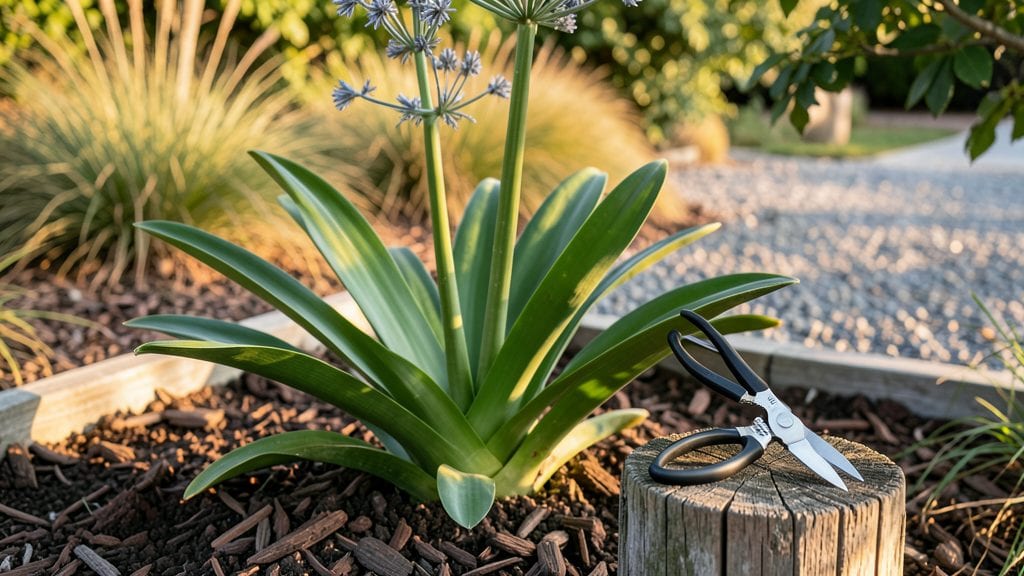
Agapanthus pruning transforms your clumps from scraggly to showstopping every year. ✨ I’ve pruned these dramatic plants for years, and two strategic cuts—one in late winter and another after blooming—keep them flowering like clockwork.
The key isn’t just cutting back; it’s timing and technique that unlocks that lush, rounded shape and nonstop blooms.
You’ll need sharp pruners, gloves, and a clear day to work. Start with dead or yellowed leaves—snip them at the base in late winter (around February-March in most zones) to make room for fresh growth.
Then, after those striking blue or white flower spikes fade, cut them back to the base too. This might seem harsh, but it’s what forces the plant to focus energy on next year’s blooms instead of seeding.
By summer, you’ll see thick, vibrant new foliage emerging, and those flower stalks will rise taller than ever. The plants stay compact, disease-resistant, and ready to bloom for months—sometimes even into fall if you’re in a warm climate.
The secret is patience: let the leaves die back naturally before your second trim in late fall if needed.
Works for both blue agapanthus (the classic) and white varieties, and even container-grown plants. This method keeps them thriving for decades with minimal effort. Ready to give your agapanthus the pruning makeover they deserve?
📚 In This Guide
- What you need
- Instructions
- Tips and common mistakes
- Wrapping up and next steps
What you need
- ● Pruning shears: Bypass pruners (sharp, clean, and sterilized with rubbing alcohol or bleach—1 pair). Avoid dull tools to prevent tearing leaves!
- ● Garden gloves: Cut-resistant (e.g., nitrile-coated) to protect hands from thorns and sap—1 pair.
- ● Disinfectant: 70% isopropyl alcohol or 10% bleach solution (1 part bleach to 9 parts water) to sterilize tools between cuts—small spray bottle.
- ○ Pruning saw: Optional but helpful for thick stems (>1/2 inch diameter)—1 small handheld saw.
- ● Garden twine or rubber bands: To tie stems together for bulk removal—1 roll.
- ● Compost bin or bag: For deadheading debris—1 large container.
- ● Ideal weather: Dry, mild days (avoid pruning after rain or in extreme heat/cold). Aim for morning or late afternoon to reduce stress on the plant.
- ● Seasonal timing: First trim: Late winter/early spring (just as new growth emerges).
- ● Second trim: After flowering (summer/early fall) to shape and encourage next year’s blooms.
- ● Safety: Wear closed-toe shoes and sunglasses—agapanthus leaves can be sharp!
- ● Label your plants: Use plant markers to track pruning schedules if you have multiple agapanthus varieties.
- ● Sharp is key: Test your shears on a paper bag—if they tear, sharpen them!
- ● Dress the wound: Sprinkle cinnamon powder (natural fungicide) on cuts to prevent disease—small jar.
Step-by-Step instructions for pruning agapanthus plants
Here's how to keep your agapanthus thriving with just two simple trims each year.
✂️ Step 1: Cut Back Flower Stems After Blooming
After your agapanthus blooms in summer, use clean, sharp pruners to cut back the spent flower stems to about 1-2 inches above the next set of leaves. This prevents the plant from wasting energy on seed production. I always prune in the morning when the stems are firm and dry—this reduces the risk of fungal issues.
Look for the first healthy leaf node below the faded blooms. Cutting here encourages new growth and prepares the plant for its next flush of flowers. Avoid cutting into old, woody stems—you want to leave some green growth to sustain the plant through winter.
✂️ Step 2: Trim Back Dead or Damaged Foliage in Late Winter
In late winter, before new growth begins, inspect your agapanthus for any dead or brown leaves. Use your pruners to snip these away at the base, making clean cuts just above the soil line. This step is all about tidying up—it helps the plant focus its energy on fresh, vibrant foliage.
Don’t worry if you leave a few old leaves behind; agapanthus is tough and can handle a bit of mess. The key is to remove anything that looks truly dead or diseased. This is also a good time to check for any signs of pests or rot—addressing these early keeps your plant healthy for the growing season.
🌿 Step 3: Shape the Plant for Fullness (Optional)
If your agapanthus is looking leggy or overgrown, you can lightly trim the outer edges to encourage a bushier shape. Use your pruners to trim back the tips of the longest stems by about 1/3 of their length. This small adjustment prompts the plant to branch out and fill in more densely.
I like to do this in early spring, just as new growth starts to appear. It’s a subtle touch, but it makes a big difference in how full and lush your plant looks by summer. Just be gentle—agapanthus responds best to gradual shaping rather than heavy pruning.
⏰ Step 4: Monitor and Repeat for Year-Round Health
After your initial trims, keep an eye on your agapanthus throughout the year. If you notice any stems that have finished blooming or are looking tired, give them a quick trim to keep the plant tidy. This ongoing maintenance ensures your agapanthus stays vibrant and ready for its next round of blooms.
Agapanthus is a low-maintenance plant, but these two precision trims—post-bloom and late winter—make all the difference. With just a little attention, you’ll enjoy stunning flowers year after year. And remember, sharp tools and clean cuts are your best friends for keeping your plant happy and healthy.
Tips & tricks for perfect agapanthus pruning
These simple yet game-changing tips will help you keep your agapanthus looking lush and blooming beautifully year after year.
Tool Prep: Always sterilize your pruners with rubbing alcohol before each use. I learned this the hard way after noticing slow growth—old pruners can transfer bacteria between plants. Wipe them down after each cut too, especially if you're working with multiple agapanthus or other plants. Clean tools mean healthier cuts and faster healing for your plants.
Seasonal Timing: The summer bloom trim (Step 1) should happen immediately after flowers fade, not when they're still vibrant. Waiting too long can stress the plant as it tries to produce seeds. For the winter trim (Step 2), aim for late February or early March—just as you start seeing new growth buds. This timing gives your plant the best head start for spring.
Visual Cues for Cutting: When cutting back flower stems in Step 1, look for the first set of healthy leaves below the faded blooms. These leaves should be bright green and firm to the touch. If you're unsure, make your cut slightly higher—you can always trim more later, but you can't undo a cut that's too low into old wood. Think of it like giving your plant a fresh start without removing its support system.
Optional Fertilizer Boost: After your winter trim (Step 2), I recommend adding a balanced, slow-release fertilizer to the soil. This gives your agapanthus the nutrients it needs to recover from winter and prepare for spring growth. Just sprinkle it around the base and water it in—no need to overcomplicate it. This optional step makes a noticeable difference in how vigorous your plant becomes by summer.
Pro Tips for Agapanthus Plants Pruning
- These simple yet game-changing tips will help you keep your agapanthus looking lush and blooming beautifully year after year.
- Tool Prep: Always sterilize your pruners with rubbing alcohol before each use.
- Seasonal Timing: The summer bloom trim (Step 1) should happen immediately after flowers fade, not when they're still vibrant.
Frequently asked questions
Got questions about pruning your agapanthus?
You’re not alone! Whether you're a first-time gardener or a seasoned plant parent, timing, techniques, and troubleshooting can feel tricky. Below, we’ve rounded up the most common questions—and answers—to keep your agapanthus thriving year-round.
When is the best time to prune agapanthus?
Prune agapanthus twice a year: late winter/early spring (before new growth) and after flowering in late summer/fall. This removes dead foliage, encourages fresh blooms, and prevents disease. Avoid pruning in extreme heat or cold—your plant will thank you!
How much should I cut back my agapanthus?
For late-winter pruning, trim back dead or yellowed leaves to about 2–3 inches above the ground. After flowering, cut stems down to the base (but leave healthy foliage). Never remove more than 1/3 of the plant at once—agapanthus stores energy in its roots!
What if I prune at the wrong time?
Pruning too early (like mid-winter) can shock the plant, while pruning during flowering may reduce next year’s blooms. If you’ve already made a mistake, don’t panic! Just focus on clean cuts and proper aftercare. Agapanthus are hardy—they’ll bounce back with patience.
Can I prune agapanthus in pots differently?
Yes! Potted agapanthus follow the same rules, but check for root-bound conditions first. Trim back overcrowded roots gently, and repot if needed. After pruning, water deeply and fertilize lightly to support regrowth. Pots dry out faster, so monitor soil moisture closely!
What if my agapanthus won’t bloom after pruning?
No blooms? Check these fixes:
- Sunlight: Ensure 6+ hours of full sun daily—agapanthus need light to flower.
- Fertilizer: Use a balanced, low-nitrogen feed in spring.
- Age: Young plants (under 3 years) may not bloom yet—be patient!
- Pruning timing: If you cut too late, next year’s buds may not form.
Do I need to sterilize my pruners?
Always! Clean pruners with rubbing alcohol or a 10% bleach solution before and after pruning to prevent spreading disease. Agapanthus are susceptible to fungal issues, so sterilization is non-negotiable—especially if you’re switching between plants.
Wrapping up and next steps
Pruning your agapanthus plants isn’t just about keeping them tidy—it’s the secret to vibrant, year-round blooms!
By mastering just two precision trims (spring and late summer), you’ll encourage stronger growth, healthier foliage, and showstopping flowers. 🌸 With the right tools and timing, you’re well on your way to becoming an agapanthus pruning pro.
Ready to level up your garden game? Grab your shears, pick a sunny day, and give those plants the care they deserve. Next, explore how to troubleshoot common pruning mistakes—or dive into styling your newly pruned agapanthus in containers for a stunning display!