Pruning
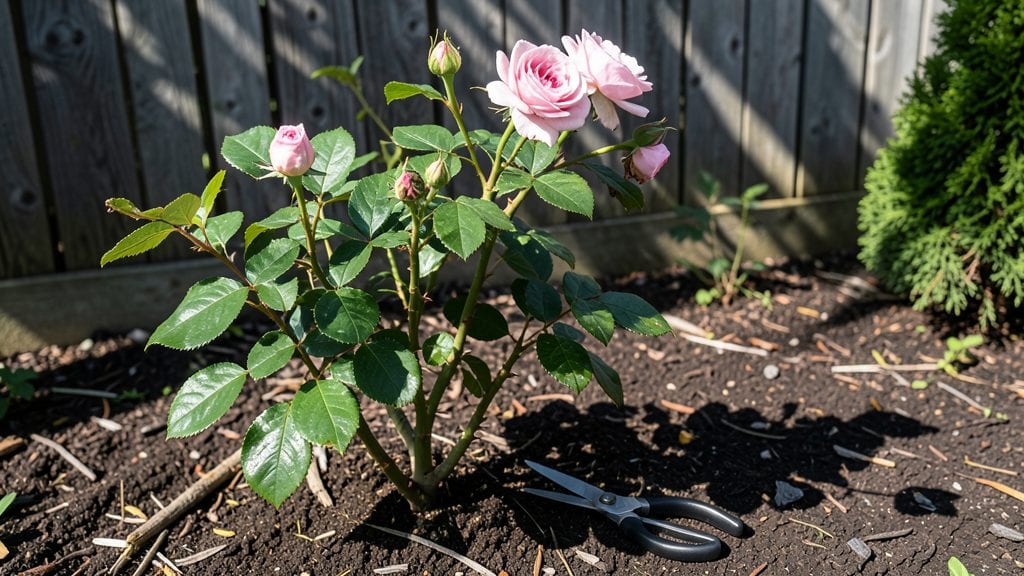
Pruning a plant isn’t just about hacking off dead branches—it’s the secret to healthier, more productive growth. 🌿 I’ve spent years watching plants transform after a well-timed trim, from roses bursting with blooms to tomatoes producing heavier fruit.
The key isn’t just when you cut but how—and the right season makes all the difference.
Most people prune at the wrong time, which stresses plants instead of helping them. Spring is ideal for most shrubs and trees, while summer pruning encourages bushier growth in flowers like hydrangeas. Herbs?
Pinch them back in early summer to keep them compact and flavorful. The tools matter too: bypass pruners for clean cuts, sterilized blades to prevent disease, and sharp tools to avoid tearing bark.
You’ll see the difference within weeks—thicker foliage, stronger stems, and more abundant blooms or fruit. Even overgrown plants can bounce back with the right approach. The first cut is always the hardest, but once you see how pruning unlocks a plant’s potential, you’ll never look at shears the same way.
Whether you’re tackling a towering shrub or a potted herb, this seasonal guide keeps it simple. No more guesswork—just healthier plants that reward you with lush growth all season long.
📚 In This Guide
- What you need
- Instructions
- Tips and common mistakes
- Wrapping up and next steps
What you need
- ● Pruning shears: Bypass pruners (for clean cuts on small branches) or anvil pruners (for tougher stems). Look for sharp, stainless-steel blades (4–6 inches long).
- ● Loppers: Long-handled (20–36 inches) for thicker branches (½–2 inches in diameter). Opt for ratcheting or bypass styles for precision.
- ● Pruning saw: Curved-tooth saw for branches over 2 inches thick. Choose a lightweight, compact design for ease of use.
- ● Gloves: Heavy-duty, cut-resistant (e.g., leather or Kevlar) to protect your hands from thorns or rough bark.
- ● Disinfectant: 70% isopropyl alcohol or a 10% bleach solution (1 part bleach to 9 parts water) to sterilize tools between cuts and prevent disease spread.
- ○ Sharpie or label markers: Permanent, weather-resistant for marking branches to remove (optional but helpful for complex pruning).
- ● Buckets or bags: Two options—one for green waste (compostable) and one for larger branches (for chipping or disposal).
- ● Ladder or stool: Sturdy, extendable (if pruning overhead branches). Ensure it’s rated for your weight and placed on level ground.
- ● Hand pruners: Mini bypass shears for delicate trimming (e.g., roses, hedges).
- ● Extension pole: For overhead branches (10–15 feet long) to avoid ladders.
- ● Tree wound dressing: Pruning sealant (controversial—skip if your plant doesn’t need it; most modern research suggests no sealant is best for healing).
- ● Notebook or app: For tracking pruning dates (e.g., iNaturalist or a simple garden journal).
- ● Safety gear: Sunglasses, long sleeves, and closed-toe shoes to protect against debris or sap.
How to prune a plant for healthier growth year-round
Pruning isn't just about shaping—it's about reviving your plants. Here's how I trim for stronger stems, more blooms, and fewer pests.
✂️ Step 1: Identify the Right Time for Each Season
Timing matters more than technique. For spring-flowering shrubs like lilacs, prune right after blooming—never in fall or winter, or you'll cut off next year's flowers. Summer-bloomers like hydrangeas get their best shape when trimmed right after the first flush of flowers.
Evergreens like boxwoods need light shaping in late winter or early spring, before new growth starts. I always check the plant's natural growth cycle first—if it blooms in spring, hold off until after those flowers fade. This ensures you never remove potential blooms.
🌿 Step 2: Gather Tools and Clean Them First
Use sharp, sterilized tools—dull shears tear stems and invite disease. I wipe blades with rubbing alcohol between cuts on different plants to prevent spreading fungal spores. For thick branches, I use loppers; for delicate stems, hand pruners work best.
Never use hedge trimmers for detailed work—they shred stems and leave jagged edges that heal poorly. If you're working with roses, disinfect tools with a 10% bleach solution between each cut to stop black spot from spreading.
✂️ Step 3: Remove Dead or Diseased Growth First
Start by snipping off any brown, mushy, or blackened stems at the base. These are entry points for pests and diseases. Next, look for crossing branches rubbing against each other—these weak spots split over time. Cut the smaller of the two branches cleanly at the junction.
If you see yellowing leaves or powdery mildew, remove those stems immediately and dispose of them in the trash (not compost). I always wear gloves for this step—some plant diseases can irritate skin or spread through contact.
☀️ Step 4: Shape for Airflow and Sunlight
Step back and visualize how light moves through the plant. Aim to open up the center so air circulates—this prevents fungal issues. For shrubs, I remove up to 1/3 of old growth annually, cutting just above a leaf bud or outward-facing branch.
For flowering plants, look for spent blooms or leggy stems and trim those first. The goal is to encourage new growth from the base. If a branch is growing inward, cut it back to redirect energy outward. This creates a fuller, more balanced plant over time.
⏰ Step 5: Finish with a Light Cleanup
After major cuts, do a final pass to tidy up any small snips. Remove any suckers or water sprouts—those are the fast-growing, weak shoots that drain energy from the main plant. For trees, I make cuts at a 45-degree angle, about 1/4 inch above a bud.
Rake up all fallen leaves and debris from beneath the plant—this prevents pests from overwintering in your garden. I always water the plant deeply after pruning to help it recover faster. You'll notice new growth within 2-4 weeks if you've done it right.
Tips & tricks for perfect plant pruning year-round
Pruning can transform your garden, but timing and technique make all the difference. Here's what I've learned after years of trial and error—these tricks will help your plants thrive.
Seasonal Timing is Everything: I can't stress this enough—pruning at the wrong time can actually harm your plants. For spring-blooming shrubs like lilacs, wait until after the flowers fade to avoid cutting off next year's blooms. Summer-bloomers like hydrangeas need their first trim right after their initial flush of flowers to encourage more blooms. Evergreens like boxwoods? Light shaping in late winter or early spring is perfect—they won't bleed sap like some other plants.
Tool Sharpness Saves Your Plants: Dull shears don't just make work harder—they tear stems, creating wounds that invite disease. I keep a small bottle of rubbing alcohol handy to wipe blades between cuts on different plants. For roses specifically, I go the extra mile with a 10% bleach solution between cuts to prevent black spot. Trust me, your plants will thank you with fewer infections and stronger growth.
The 1/3 Rule for Shrubs: When shaping shrubs in Step 4, never remove more than one-third of the plant's growth annually. This prevents shock and allows the plant to recover properly. I always visualize how light will move through the plant—opening up the center improves airflow and reduces fungal issues. For flowering plants, focus on removing spent blooms and leggy stems first to redirect energy to new growth at the base.
Cleanup Prevents Overwintering Pests: After finishing your pruning, don't just leave the debris behind. Rake up all fallen leaves and small clippings—this prevents pests from overwintering in your garden. I also make it a habit to water deeply after pruning, which helps the plant recover faster. You'll often see new growth appearing within just 2-4 weeks if you've followed these steps correctly.
Pro Tips for Prune A Plant
- Pruning can transform your garden, but timing and technique make all the difference.
- Seasonal Timing is Everything: I can't stress this enough—pruning at the wrong time can actually harm your plants.
- Tool Sharpness Saves Your Plants: Dull shears don't just make work harder—they tear stems, creating wounds that invite disease.
Frequently asked questions
Got questions about pruning? You’re not alone! Here are answers to the most common concerns—whether you're a pruning pro or just starting out.
When is the best time to prune my plant?
The ideal timing depends on your plant type. Deciduous trees and shrubs thrive with late-winter/early-spring pruning (just before new growth starts). Evergreens and fruit trees often need pruning right after harvest. Always avoid pruning when your plant is flowering or stressed—like during extreme heat or drought.
What if I prune at the wrong time?
Pruning at the wrong time won’t kill your plant, but it can stress it or reduce blooms. For example, cutting back spring-flowering shrubs (like lilacs) in summer removes next year’s flowers. If you’ve already pruned too late, don’t panic! Just focus on proper technique and watering to help recovery.
Can I prune too much?
Yes—over-pruning (removing more than 25-30% of foliage in one session) can shock your plant, leaving it vulnerable to pests or disease. Always aim for gradual trimming. If you’ve already cut back too far, reduce watering slightly and fertilize lightly to support regrowth.
What’s the difference between pruning and trimming?
Pruning
is strategic—removing dead, diseased, or overgrown branches to improve shape, health, or fruit production. Trimming is lighter maintenance, like shaping hedges or tidying up minor growth. Think of pruning as a health checkup and trimming as a haircut!
How do I know if my plant needs pruning?
Watch for these signs:
- Dead, crossing, or rubbing branches (remove them first!)
- Overcrowded growth blocking sunlight
- Leggy or sparse foliage (a sign of poor airflow)
- Diseased or pest-infested areas
Wrapping up and next steps
Pruning isn’t just about cutting—it’s about revitalizing your plants for healthier growth and stunning blooms! By following a seasonal trimming calendar, you’ll encourage stronger stems, better airflow, and even bigger harvests. You’ve got this! 🌱✨
Ready to take your green thumb to the next level? Start small—pick one plant this week and give it the pruning love it deserves. Over time, you’ll become a pruning pro, and your garden will thank you with vibrant life all year round!