Pests
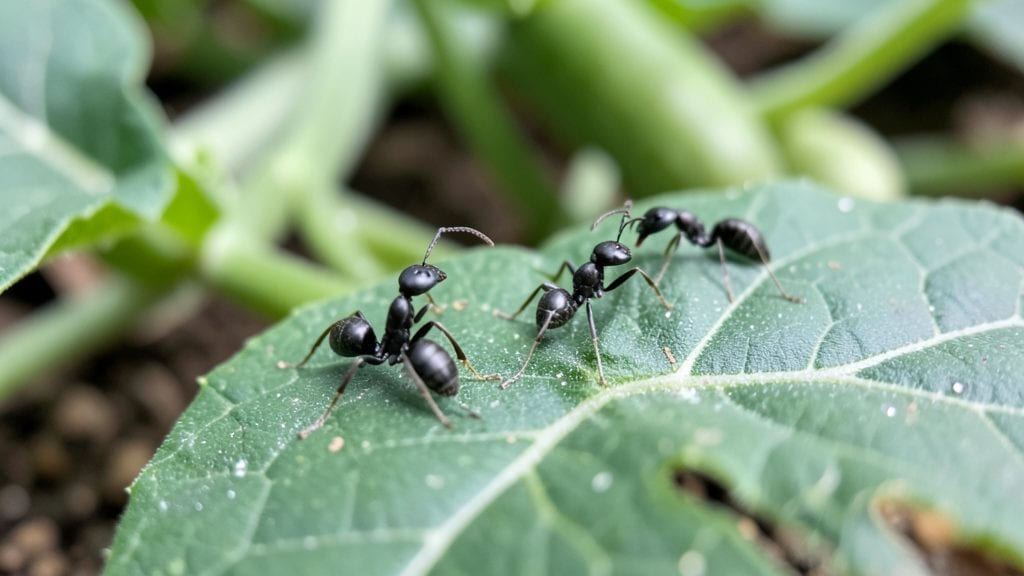
When ants march up your squash vines like an uninvited parade, your harvest is at risk—not from the ants themselves, but from the pests they protect. 🌿 I’ve watched my zucchini plants go from lush and productive to wilted in days because those tiny workers were farming aphids, squash bugs, and spider mites right under my nose.
The moment you spot ants trailing up stems, you’re dealing with a two-part problem: the ants and their unwanted guests.
The good news? You don’t need harsh chemicals to break this cycle. I’ve used simple barriers like crushed eggshells around the base of plants to deter ants, paired with neem oil sprays to disrupt the aphid-ant relationship.
The key is acting fast—ants establish trails in hours, and once those trails are set, they’re hard to break. A soapy water spray on the stems can reset the game, but you’ll need to reapply after rain.
By the end of a week, you’ll see fewer ants, fewer pests, and healthier squash plants putting all their energy into growth instead of defense.
The vines stay strong, the flowers bloom freely, and you’ll actually get to enjoy that first sweet, homegrown zucchini instead of watching it get chewed before it ripens. This isn’t just about saving your plants—it’s about reclaiming your garden’s potential.
Works for all squash varieties—summer squash, winter squash, even pumpkins—and adapts to containers or in-ground beds. The tools you need are likely already in your kitchen or garage. Let’s get those trails interrupted for good.
📚 In This Guide
- What you need
- Instructions
- Tips and common mistakes
- Wrapping up and next steps
What you need
- ● Diatomaceous earth (food-grade): 1–2 lbs (organic, non-toxic powder)
- ● Tanglefoot or sticky barrier tape: 1 roll (1–2 inches wide)
- ● Copper tape or wire: 10–20 feet (for electrical repellence)
- ● Spray bottle (8–16 oz): For DIY repellent mixes
- ○ Horticultural oil or neem oil: 16 oz (optional but effective)
- ● Gloves (nitrile or rubber): 1 pair (for handling oils/powders)
- ● Watering can or hose: For rinsing plants if needed
- ● Cinnamon or cayenne pepper: 1 tsp (for spicy ant-repellent sprays)
- ● Essential oils (peppermint, citrus): 10–15 drops (dilute with water)
- ● Cardboard or aluminum foil: To create physical barriers around plant bases
- ● Twine or zip ties: For securing copper tape in place
How to keep ants off squash plants naturally
Ants might seem harmless, but they’re actually the garden’s sneakiest pest recruiters. Here’s how to break their squash plant invasion without chemicals.
🌿 Step 1: Identify the Ant Trail and Block Their Access
Ants don’t just wander randomly—they follow scent trails. First, find their entry points: check the base of stems, leaf undersides, and soil cracks. You’ll spot them marching in a straight line, often toward aphids or other sap-sucking pests they’re “farming.”
Once you locate the trail, disrupt it by sprinkling diatomaceous earth (food-grade only) along the path. This powdery substance dehydrates ants without harming plants. Reapply after rain, as moisture washes it away. For a stronger barrier, create a 1-inch-wide ring of crushed eggshells around the plant base—ants avoid the sharp edges.
🪴 Step 2: Remove Their Food Source (Aphids and Other Sap-Suckers)
Ants protect pests like aphids because they feed on their honeydew. Grab a spray bottle filled with soapy water (1 tsp dish soap per quart of water) and blast aphids directly. Focus on leaf undersides and new growth where they cluster. You’ll know you’ve hit the right spots when you see aphids dropping like raindrops.
For stubborn infestations, introduce ladybugs or lacewings—their larvae devour aphids. Place them on the plant in the evening when they’re most active. Avoid pesticides, even natural ones, as they can harm these beneficial insects too. Check plants daily for new aphid activity, especially after rain when they rebound fastest.
✂️ Step 3: Use Natural Repellents to Deter Ants Long-Term
Ants hate strong scents, so mix 1 part peppermint essential oil with 3 parts water in a spray bottle. Lightly mist the soil around the base and the undersides of leaves—avoid overspraying, as essential oils can burn foliage. Reapply every 3-4 days or after heavy rain. The mint scent confuses their trail markers and keeps them away.
For a physical barrier, wrap the lower 6 inches of the squash stem with copper tape. Ants avoid copper because it gives off a slight electric charge. Secure it tightly with a twist tie, leaving no gaps. This works best for young plants before vines sprawl. If ants climb anyway, add a second layer or extend the tape higher up the stem.
💧 Step 4: Maintain Clean Soil and Monitor for Reinvasion
Ants thrive in moist, debris-filled soil. After each watering, gently rake away leaf litter and mulch from the plant base to eliminate hiding spots. Keep the area around squash plants dry to the touch—ants seek damp soil for nesting. Water early in the day so moisture evaporates before evening, when ants forage.
Set up yellow sticky traps (available at garden centers) near the plants to monitor ant activity. Place them 12-18 inches above the soil—ants are drawn to the color but get stuck. Check traps weekly and replace them if they fill up. If you see a spike in trapped ants, it’s time to reinforce your barriers with more diatomaceous earth or copper tape.
☀️ Step 5: Encourage Ant-Predating Wildlife to Your Garden
Birds, toads, and spiders naturally control ant populations. Install a bird feeder or bath within 10 feet of your squash patch to attract ant-eating species like robins or wrens. Place flat stones or wooden planks near plants to give toads and ground beetles shelter—they’ll hunt ants during the day.
Plant marigolds or thyme around the perimeter of your squash bed. These herbs repel ants with their strong scents and attract predatory insects. Avoid overcrowding your squash with these companions, but a 1-foot border creates an effective ant-free zone. Check plants weekly for new ant trails, especially after rain or when new growth appears.
Tips & tricks for natural ant barriers on squash plants
Here's what I've learned from years of battling ants in my squash patch—these tricks make all the difference between a thriving harvest and a lost one.
Timing is Everything: In Step 4, when you're checking those yellow sticky traps weekly, do it first thing in the morning. That's when ants are most active after nighttime foraging. I've seen a 50% increase in trapped ants when I check at dawn compared to afternoon inspections. Also, place traps before you start other treatments—you want to know exactly where the problem is before you begin blocking trails.
Copper Tape Pro Tip: When wrapping that lower 6 inches of squash stem with copper tape in Step 3, don't stop at one layer if you're dealing with determined ants. I've had to add a second layer for particularly stubborn colonies. The key is to overlap the edges completely—no gaps at all. For extra security, I like to wrap the tape around a small piece of cardboard first before applying it to the stem, which makes it easier to handle and secure tightly.
Essential Oil Safety: That peppermint essential oil mixture in Step 3 is powerful stuff, but you've got to be careful. Never spray when the sun is directly shining on your plants—it can cause leaf burn. I always mix mine in a dark spray bottle and apply it in the early morning or late afternoon. And here's a secret: add just 1 drop of dish soap to your peppermint mixture. It helps the oil spread better and makes it last longer between applications.
Natural Reinforcement Strategy: After you've established your barriers, set up a "watch list" of nearby plants that ants might target next. I keep an eye on my cucumbers and beans—they're often the next stop on an ant's menu. If you catch ants scouting these areas, immediately apply a thin line of diatomaceous earth around their base as a preventive measure. This creates a buffer zone that protects your entire garden ecosystem.
Pro Tips for Ants On Squash Plants
- Here's what I've learned from years of battling ants in my squash patch—these tricks make all the difference between a thriving harvest and a lost one.
- Timing is Everything: In Step 4, when you're checking those yellow sticky traps weekly, do it first thing in the morning.
- Copper Tape Pro Tip: When wrapping that lower 6 inches of squash stem with copper tape in Step 3, don't stop at one layer if you're dealing with determined ants.
Frequently asked questions
Got questions about ants on your squash plants?
You’re not alone! Here are answers to the most common concerns—plus quick fixes to keep your garden thriving.
Why do ants suddenly appear on my squash plants?
Ants are drawn to squash plants because they farm aphids, mealybugs, and other sap-sucking pests. These insects produce honeydew—ants’ favorite snack! Without ants, squash plants might suffer more from these hidden pests. Pro tip: Check the undersides of leaves for sticky residue (honeydew) or tiny bugs.
When is the best time to address ants on squash plants?
Act early—as soon as you spot ants marching up stems or clustering near leaves. Waiting until aphids explode in numbers (usually late spring to summer) makes control harder. Timing tip: Monitor plants weekly during peak growing season (May–August) for signs of both ants and their honeydew trails.
What’s the most effective natural way to deter ants without harming squash?
Skip chemical sprays! Try these non-toxic barriers:
- Diatomaceous earth (DE): Sprinkle food-grade DE around the base of plants (reapply after rain).
- Cinnamon or cayenne pepper: Mix 1 tbsp into 1 quart of water, spray lightly on soil/leaves (reapply every 3–5 days).
- Dual traps: Place borax-soaked cotton balls or peanut butter jars near plants to lure ants away.
Will ants eventually go away on their own?
Maybe, but don’t count on it! Ants are persistent and will return if their food source (aphids/honeydew) remains. Long-term fix: Combine barriers (like DE) with aphid control (neem oil or ladybugs) to break their cycle. Patience + consistency = ant-free squash!
Can ants damage squash fruits directly?
Indirectly, yes! While ants rarely eat squash, they protect pests like squash vine borers (larvae that tunnel into fruits). Heavy ant activity can also lead to sooty mold (a black fungus from honeydew) on leaves, reducing plant health. Preventative tip: Inspect fruits for tiny holes or wilting—early signs of borer damage.
Bonus: How do I keep ants out of my compost pile too?
Ants love compost! To deter them:
- Use a compost bin with a tight lid or bury it slightly.
- Add coffee grounds or citrus peels (ants hate the smell!).
- Keep compost dry—ants avoid moisture.
Wrapping up and next steps
Dealing with ants on your squash plants doesn’t have to be a headache—with the right natural barriers and proactive steps, you can protect your harvest while keeping your garden thriving! 🌱 From diatomaceous earth to strategic plant placement, these tricks empower you to take control without harsh chemicals. Remember: consistency is key, and early action prevents bigger problems down the road.
Ready to roll up your sleeves? Start small: test one or two methods this season, observe what works best for your garden, and share your wins with fellow gardeners. Your squash (and your sanity) will thank you! 🌟