Landscaping
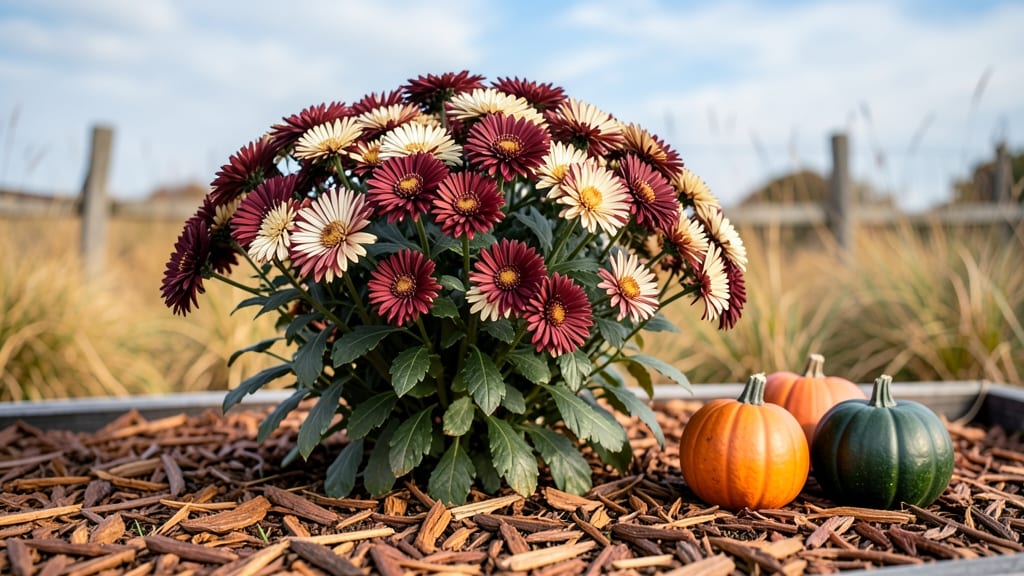
Fall landscaping plants transform your yard from ordinary to stunningly lush when temperatures dip and leaves turn fiery. 🌿 I’ve learned the hard way that planting the wrong species means winter-browned messes by December—but these cool-weather stars stay vibrant until frost, then often return stronger in spring.
Think beyond pumpkins and mums: ornamental grasses like Little Bluestem sway in gold, Japanese maples blush crimson, and smoke bushes burst with cotton-candy plumes. These plants love crisp air, need less water than summer bloomers, and attract birds that stick around for winter snacks.
Most thrive with simple fall prep—just clear dead growth and mulch lightly before hard freezes.
By next October, your yard will be the neighborhood showstopper with layers of velvety foliage, architectural branches, and berries that glisten in morning dew. The best part?
These plants handle winter better than annuals, so you’ll enjoy them for years with minimal fuss. Let’s pick the perfect mix for your climate and sunlight.
Pro tip: Pair evergreens like Inkberry holly with deciduous stars—they’ll keep your beds lively even when snow flies. I’ll share my go-to combinations for shade, sun, and mixed-light spots, plus when to plant for maximum impact. Ready to make fall your garden’s star season?
📚 In This Guide
- What you need
- Instructions
- Tips and common mistakes
- Wrapping up and next steps
What you need
- ● Fall-loving perennials: 3–5 plants per variety (e.g., Heuchera, Sedum, Hosta, Astilbe).
- ● Shrubs: 2–3 cold-hardy options like Hydrangea, Viburnum, or Boxwood (1–3 ft. tall).
- ● Ornamental grasses: 2–4 clumps of Miscanthus or Fountain Grass (2–4 ft. tall).
- ● Bulbs: 10–20 Daffodil or Tulip bulbs (for early spring color).
- ● Mulch: 2–3 bags of shredded cedar or pine bark (2–3 cubic feet per 100 sq. ft.).
- ● Compost: 1–2 bags (for soil amendment, 1 cubic yard per 100 sq. ft.).
- ● Hand trowel (for transplanting small plants).
- ● Garden fork (for aerating soil).
- ● Pruning shears (sharp, bypass-style for clean cuts).
- ● Wheelbarrow (for hauling soil/mulch).
- ● Garden hose with spray nozzle (for watering).
- ● Measuring tape (to plan spacing).
- ● Gloves (heavy-duty for protection).
- ● Soil test kit ($10–$20) to check pH/nutrients.
- ● Slow-release fertilizer (e.g., Osmocote for fall planting).
- ● Decorative stones (for pathways or borders).
- ● Frost cloth (to protect tender plants in late fall).
- ● Plant markers (for labeling new additions).
How to select and plant fall landscaping plants for year-round interest
Here's the strategic approach I use to transform any yard into a seasonal masterpiece—starting with cool-season plants that deliver color and texture when summer blooms fade.
🌿 Step 1: Choose Plants for Layered Seasonal Impact
Select plants that provide three distinct layers: tall structural plants (like ornamental grasses), mid-height shrubs (such as hydrangeas), and low-growing ground covers (like ajuga). I focus on varieties with fall foliage color—think purple smoke bush, fiery red sumac, or golden Japanese forest grass—to ensure visual drama. Check each plant's USDA hardiness zone compatibility to guarantee it thrives through winter.
For example, virginia sweetspire bursts with pinkish-white flowers in spring, turns brilliant red in fall, and keeps its color through winter. Pair it with inkberry holly for glossy evergreen contrast. Always verify the plant's mature size—nothing ruins a design faster than a shrub that outgrows its space in three years.
🪴 Step 2: Prepare the Planting Site with Amended Soil
Test your soil's pH and amend it based on plant requirements—most fall foliage plants prefer slightly acidic to neutral soil (pH 6.0-7.0). Work in 2-3 inches of compost and 1 cup of 10-10-10 fertilizer per planting hole to provide nutrients for root establishment. Dig holes twice as wide as the root ball but only as deep as the container—burying too deep suffocates roots.
Loosen the root ball gently before planting to encourage outward growth. I always water the hole thoroughly before placing the plant in—this prevents air pockets that can strangle roots. Space plants according to their mature width: 3-5 feet apart for shrubs, 18-24 inches for perennials. Proper spacing now prevents overcrowding later.
☀️ Step 3: Plant and Mulch for Moisture Retention
Place each plant in its hole, backfill with native soil (not amended mix), and firm gently around the base. Water deeply to settle the soil and eliminate air gaps. I use 3 inches of shredded hardwood mulch around each plant, keeping it 2-3 inches away from stems to prevent rot. Mulch insulates roots from temperature swings and retains moisture—critical in fall when rains become sporadic.
Water newly planted foliage once weekly for the first month, then taper to every 10-14 days unless drought persists. The key is consistent moisture without soggy soil. You'll know you're doing it right when the mulch stays slightly damp at the surface but doesn't look waterlogged.
✂️ Step 4: Prune and Maintain for Winter Readiness
After planting, trim any dead or damaged foliage but avoid heavy pruning—wait until late winter or early spring. I remove only 10-20% of the plant's volume at this stage to encourage new growth. For grasses and ornamental plants, cut back by one-third to maintain shape and remove seed heads that could spread unwanted volunteers.
Apply a 2-inch layer of mulch in late fall to protect roots from freeze-thaw cycles. This is especially important for tender perennials like heuchera or coral bells, which can heave from the ground if left unprotected. Water deeply before the first hard frost to ensure roots have moisture reserves for winter.
🌱 Step 5: Monitor and Adjust for Seasonal Changes
Check plants monthly through winter for signs of stress—yellowing leaves, wilting, or unusual dieback. Adjust watering as needed: most fall plants need less water in winter but may require extra moisture during dry spells. I always inspect for pests like spider mites or scale, which thrive in dry conditions and can weaken plants before spring.
Take notes on which plants thrive and which struggle—this helps refine your fall palette for next year. For example, if smoke bush thrives in your climate but spirea gets black spot, you'll know to replace the latter with a more resilient variety. The goal is a low-maintenance, high-impact fall display that carries into winter.
Tips & tricks for perfect fall landscaping plantings
Transforming your yard into a fall masterpiece starts with these game-changing strategies that ensure your seasonal foliage thrives through winter.
Layering Like a Pro: In Step 1, when selecting plants, think vertically—tall grasses create drama, mid-height shrubs provide structure, and ground covers fill gaps. I like to use virginia sweetspire as my star performer because its spring blooms, fall color, and winter interest create year-round appeal. For contrast, pair it with inkberry holly—its glossy evergreen foliage pops against the sweetspire's fiery red leaves. Remember, mature size matters: a 6-foot shrub planted 3 feet from a fence will quickly become a problem!
Soil Prep Secrets: Step 2's soil amendments are where success begins. Most fall plants prefer slightly acidic to neutral soil (pH 6.0-7.0), but don't just guess—test your soil first. I've seen beautiful plantings fail because the soil was too alkaline. When amending, focus on the root zone: work in 2-3 inches of compost and that 1 cup of 10-10-10 fertilizer right into the planting hole. This targeted approach gives roots exactly what they need without overwhelming the plant.
Mulching Mastery: The 3 inches of mulch in Step 3 isn't just decoration—it's insulation. In fall, temperature swings can stress plants, and mulch acts like a blanket. Keep it 2-3 inches away from stems to prevent rot, and use shredded hardwood mulch for the best moisture retention. Pro tip: After applying mulch, give everything a good drink. The mulch will help lock in that moisture, reducing your watering needs by up to 30%. That weekly watering in the first month becomes much more manageable!
Winter Readiness Checklist: Don't skip Step 4's late fall mulch layer—those 2 inches make all the difference for tender perennials. I've seen heuchera plants heave right out of the ground when left unprotected. And that deep watering before frost? It's not optional. Think of it as filling your plant's water tank for the winter months ahead. For grasses and ornamental plants, cutting back by one-third now prevents seed spread and keeps your design clean through the seasons.
Pro Tips for Fall Landscaping Plants
- Transforming your yard into a fall masterpiece starts with these game-changing strategies that ensure your seasonal foliage thrives through winter.
- Layering Like a Pro: In Step 1, when selecting plants, think vertically—tall grasses create drama, mid-height shrubs provide structure, and ground covers fill gaps.
- Soil Prep Secrets: Step 2's soil amendments are where success begins.
Frequently asked questions
Got questions about fall landscaping plants?
You’re not alone! Here are answers to the most common queries to help you create a stunning autumn garden with ease.
What are the easiest fall landscaping plants for beginners?
Start with hardy, low-maintenance options like mums (chrysanthemums), pansies, or ornamental grasses (e.g., fountain grass). These thrive in cool weather, require minimal care, and add instant color. For structure, try boxwoods or hydrangeas—both are forgiving and drought-tolerant once established.
When is the best time to plant fall landscaping plants?
For most regions, aim to plant 6–8 weeks before the first hard frost (typically late August to early October). This gives roots time to establish before winter. Perennials and shrubs planted in fall often bloom earlier the next spring. Pro tip: Check your USDA hardiness zone for precise timing!
Can I still plant flowers in late fall?
Yes! Opt for cold-hardy annuals like calendulas, stock, or snapdragons, which tolerate light frosts. For perennials, focus on bulbs (e.g., daffodils, tulips) or evergreens planted by late October. Avoid tender plants like petunias—they won’t survive winter.
Are there affordable alternatives to expensive fall plants?
Skip pricey hybrids and try:
- Native plants (e.g., black-eyed Susans, coneflowers)—they’re low-cost and support local ecosystems.
- Seed packets for annuals like marigolds or pansies (cheaper than mature plants).
- Divided perennials from neighbors or garden swaps.
How do I protect fall plants from pests or frost damage?
Use row covers or lightweight frost cloth for tender plants, and mulch perennials with straw or shredded leaves (2–3 inches deep) to insulate roots. For pests, neem oil or soapy water sprays work well. Avoid over-fertilizing in late fall—it encourages tender new growth vulnerable to cold.
Can I plant trees or shrubs in fall?
Fall is ideal for planting trees and shrubs! Soil is warm, air is cool, and competition for water is low. Choose bare-root or container-grown options like dogwoods, serviceberries, or azaleas. Water deeply after planting and mulch to retain moisture. Pro tip: Plant before the ground freezes!
Wrapping up and next steps
Fall is the perfect time to transform your outdoor space with vibrant, low-maintenance plants that bring warmth and texture to your garden. From bold shrubs like Hydrangeas to fragrant Mums and evergreen Boxwoods, these seasonal picks not only survive cooler weather but also thrive with minimal fuss.
Whether you’re a seasoned gardener or just starting out, these plants offer color, structure, and year-round interest—proving that fall landscaping can be as rewarding as it is beautiful.
Ready to make your mark? Start small—pick one or two plants to test in a sunny or shaded spot, then expand next season. Your garden will thank you with seasonal splendor that keeps giving long after the leaves change! 🍂✨