
Shrubs
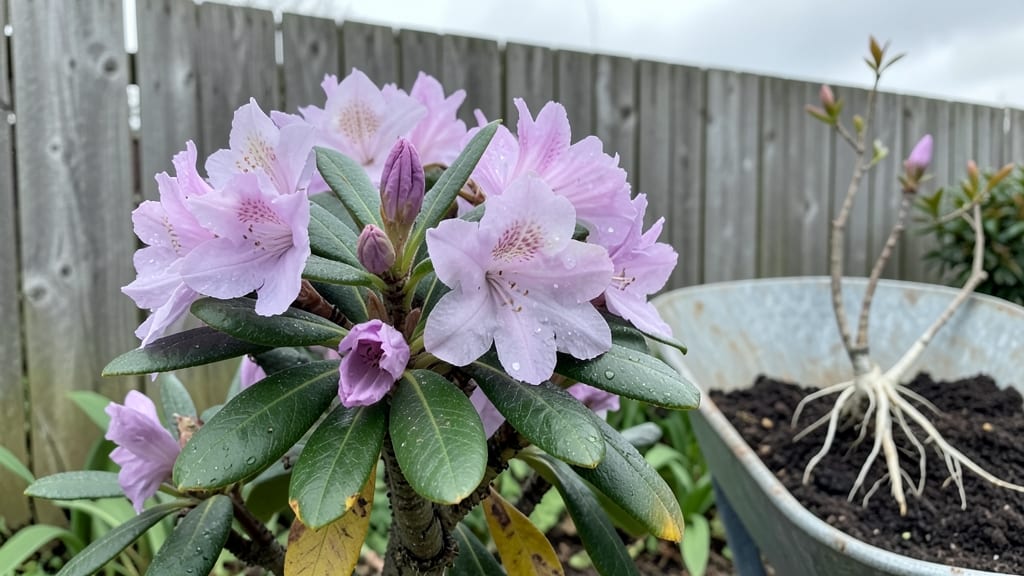
Azalea planting conditions start with the right balance of sun, soil, and patience—because these shrubs throw a fit if you mess up their cozy spot. 🌸 I learned the hard way when my first azaleas wilted after two weeks, despite my best efforts.
The secret isn’t just partial shade; it’s the right kind of shade, acidic soil that mimics their forest floor home, and watering that keeps roots happy without drowning them.
You’ll need a location with morning sun and afternoon shade—think dappled light under tall trees, not the harsh glare of a south-facing wall. The soil must be well-draining, rich in organic matter, and acidic (pH 4.5–6.0)—that’s the non-negotiable part.
Most garden centers sell azalea-specific mixes, but you can DIY with peat moss, pine bark, and compost. A 5-gallon container of soil per plant is enough to start, and mulch helps retain moisture while keeping roots cool.
Once planted, azaleas reward you with vibrant blooms for weeks if you keep them moist but not soggy—think of a well-wrung sponge, not a swamp. After the first year, they’ll need minimal care, but prune right after blooming to shape them without sacrificing next year’s flowers.
The payoff? Shrubs that burst into color every spring and stay lush all summer, with almost no fuss once they’re settled.
This works for both container-grown azaleas (great for patios) and in-ground plantings—just adjust the soil depth. And yes, they’ll thrive in zones 5–9, though southern gardeners might need extra shade in peak summer. Here’s how to get it right the first time.
📚 In This Guide
- What you need
- Instructions
- Tips and common mistakes
- Wrapping up and next steps
What you need
- ● Azalea plants: 1–3 nursery-grown azaleas (containerized or bare-root, depending on planting time). Choose Rhododendron species or hybrids suited to your USDA hardiness zone (e.g., R. 'Girard’s Pink' for zones 5–9).
- ● Well-draining soil: 2–3 cubic yards of acidic, organic-rich soil mix (pH 4.5–6.0). Use a blend of: 50% peat moss or pine bark fines
- ● 30% garden soil or compost
- ● 20% perlite or sand (for aeration)
- ● Organic mulch: 2–3 inches of pine straw, pine bark, or leaf mold (avoid cedar mulch—it’s too acidic!).
- ● Slow-release fertilizer: 1 lb of azalea-specific fertilizer (e.g., 10-10-10 or 8-3-9 with micronutrients like iron and magnesium).
- ● Tools: Trowel or hand shovel
- ● Garden fork or spade
- ● Measuring tape or ruler
- ● Gloves (to protect your hands from acidic soil)
- ● Soil pH test kit: To confirm your soil’s acidity before planting. Aim for pH 4.5–6.0—azaleas hate alkaline soil!
- ● Epsom salt (magnesium sulfate): 1 tbsp per plant if your soil tests low in magnesium (helps with vibrant blooms).
- ● Root stimulator: A dip or spray (like Mycorrhizal fungi) to boost root growth during transplanting.
- ● Drip irrigation system: For consistent moisture—azaleas detest soggy roots but love steady hydration.
- ● Plant supports: Small stakes or cages if planting in windy areas (especially for taller varieties).
Step-by-step guide to perfect azalea planting conditions
Azaleas reward patience with stunning blooms—but only if you nail these key conditions first.
🌿 Step 1: Pick the Right Sunny Spot
Azaleas crave morning sun and afternoon shade—at least 4-6 hours of sunlight daily, but protected from hot afternoon rays. I always test a spot by placing a plant there for a few hours: if leaves wilt by midday, it's too harsh. East-facing locations work best, while west or south spots need afternoon shade from trees or structures.
Check the soil temperature too—roots thrive between 55-75°F. If your ground stays cooler (common in early spring), wait until the soil warms naturally. Cold roots struggle to establish, leading to weak growth. A simple soil thermometer helps here, but pressing your finger into the soil works too: if it feels chilly, delay planting.
💧 Step 2: Prepare Acidic, Well-Draining Soil
Azaleas demand acidic soil (pH 4.5-6.0)—never alkaline or neutral. I test my soil with a simple pH kit first, then amend with peat moss or pine bark fines if needed. Mix these into the top 12 inches of soil to create the perfect growing zone. Avoid garden soil or compost, which raise pH and suffocate roots.
Dig a hole twice as wide as the root ball but no deeper. Loosen the sides with a fork to encourage root spread. If your soil drains poorly (test by digging a hole and filling it with water—if it doesn’t drain in 30 minutes, amend with sand or perlite). Waterlogged roots rot quickly, and azaleas hate soggy feet.
☀️ Step 3: Plant at the Right Depth and Mulch Well
Position the root ball so the top sits 1 inch above ground level—never deeper. I trace the root ball’s edge on the soil with a stick to mark the line, then backfill with the amended soil mix. Gently firm the soil around the edges to remove air pockets, but don’t compact it. Water deeply to settle everything before adding mulch.
Spread 3-4 inches of pine bark mulch over the root zone, keeping it 6 inches away from the stem. Mulch locks in moisture, regulates temperature, and slowly releases acidity. I refresh it annually in late winter—old mulch breaks down and loses effectiveness. Never use wood chips from untreated lumber, as they can raise soil pH over time.
⏰ Step 4: Water Deeply and Protect New Plants
After planting, water deeply until moisture reaches 6 inches down. Check with a screwdriver—if it comes out dry, water again. Azaleas need consistent moisture but hate soggy soil. I water mine 2-3 times weekly in summer, adjusting for rain. Let the top 1-2 inches of soil dry slightly between waterings to prevent root rot.
For the first year, shield young azaleas from harsh winds and late frosts. A temporary shade cloth (30-50% coverage) helps in hot climates, while burlap wraps protect stems from cold snaps. Watch for wilting leaves—this often signals underwatering, but yellowing leaves usually mean overwatering or poor drainage. Adjust your care routine based on what you see.
Tips & tricks for perfect azalea planting conditions
Between us, azaleas are divas—they demand just the right conditions to reward you with those show-stopping blooms. Here's what nobody tells you about making them thrive.
Sunlight Secret: That 4-6 hours of morning sun is non-negotiable, but here's the thing: I've learned the hard way that west-facing spots can be too intense. If you must plant in a west-facing location, create shade with a lattice screen or plant taller shrubs to the west. The afternoon sun can scorch leaves, and once they're damaged, they won't recover for the season. Trust me on this.
Soil Temperature Test: The 55-75°F range is crucial, but how do you know when your soil's ready? I press my finger into the ground—if it feels chilly to the touch (like when you first wake up in winter), delay planting. For a more precise check, use a soil thermometer. I've seen azaleas planted too early in cool springs struggle for months to establish, while those planted at the right temperature take off immediately.
Drainage Drama: That 30-minute drainage test in Step 2 is your best friend. If water pools after 30 minutes, you've got a drainage issue. I've fixed this by creating raised beds or adding a layer of gravel beneath the amended soil. Azaleas will forgive many mistakes, but soggy roots won't. The difference between a thriving plant and a sad, yellowing one often comes down to this single, seemingly insignificant step.
Mulch Magic: Those 3-4 inches of pine bark mulch aren't just decoration—they're working overtime. I refresh mine every late winter because old mulch loses its acidifying properties. Pro tip: mix a handful of sulfur granules into your mulch annually to maintain that perfect pH 4.5-6.0 range. And remember, keep that mulch 6 inches away from the stem to prevent rot.
Pro Tips for Azalea Planting Conditions
- Between us, azaleas are divas—they demand just the right conditions to reward you with those show-stopping blooms.
- Sunlight Secret: That 4-6 hours of morning sun is non-negotiable, but here's the thing: I've learned the hard way that west-facing spots can be too intense.
- Soil Temperature Test: The 55-75°F range is crucial, but how do you know when your soil's ready?
Frequently asked questions
Got questions about getting your azaleas off to the right start? You’re not alone! Here are some of the most common concerns—and their answers—to help you plant with confidence.
When is the best time to plant azaleas?
Fall (September–November) is ideal for azalea planting in most regions. The cooler weather helps roots establish before winter, while avoiding summer heat stress. In warmer climates, early spring (February–March) works too. Pro tip: Avoid planting in extreme heat or cold—aim for mild, moist conditions!
Can I grow azaleas in containers or only in the ground?
Azaleas thrive in containers if you choose the right size (at least 12–18 inches deep). Use well-draining soil mixed with peat moss or pine bark, and ensure the pot has drainage holes. Container-grown azaleas need more frequent watering and may require winter protection in colder zones.
How often should I water newly planted azaleas?
Water deeply 2–3 times per week for the first month, keeping soil evenly moist but not soggy. After establishment, aim for 1–2 inches of water weekly (more in hot/dry spells). Mulch around the base (2–3 inches) to retain moisture. Watch for: Wilting or yellowing leaves—signs of over- or under-watering!
Why aren’t my azaleas blooming?
Blooms often skip a year if the plant is stressed (poor soil, overwatering, or transplant shock). Ensure they get morning sun + afternoon shade, acidic soil (pH 4.5–6.0), and regular feeding with azalea-specific fertilizer in early spring. Patience is key! Mature azaleas may take 2–3 years to rebloom after planting.
What pests or diseases should I watch for?
Common issues include lace bugs (tiny yellow spots on leaves), root rot (from overwatering), and powdery mildew (white fungal coating). Preventative tips: Inspect leaves weekly, avoid overhead watering, and prune for airflow. Treat pests with neem oil or insecticidal soap if needed.
Still stumped? Drop your azalea woes below—we’re happy to help!
Wrapping up and next steps
Perfecting the azalea planting conditions is your ticket to vibrant, long-lasting blooms that turn heads in your garden! 🌸 By prioritizing acidic soil, partial shade, and consistent moisture, you’re setting your azaleas up for success. Don’t forget to mulch and monitor for pests—small efforts make a big difference.
Ready to get growing? Pick your spot, prep the soil, and plant with confidence! Grab your gloves, and let the blooming begin. 🌱✨