
Planting
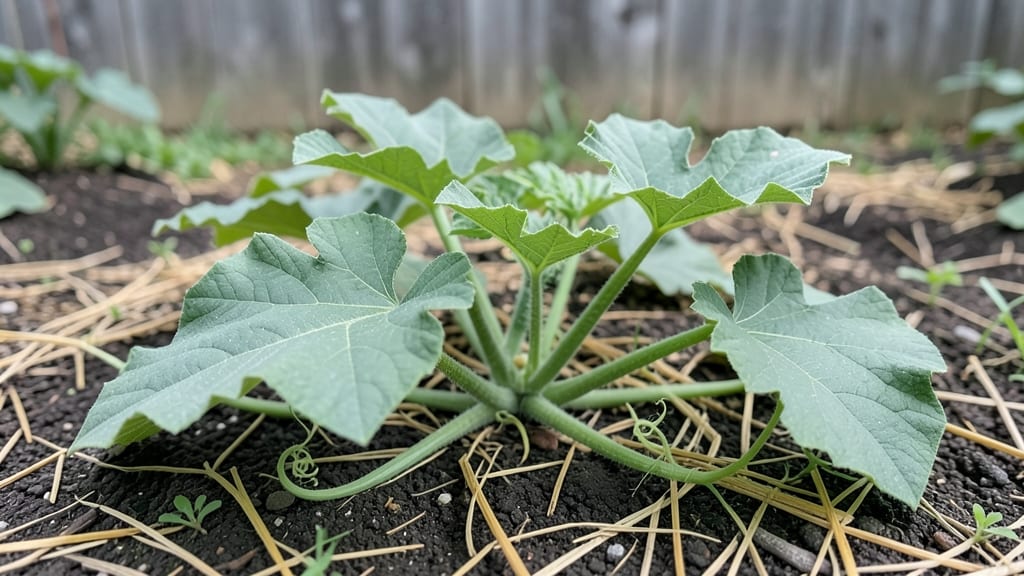
A tiny baby cantaloupe plant can turn into summer’s sweetest fruit in just 70 days—here’s how to skip the slow starts that frustrate beginners. The trick isn’t fancy soil or expensive gear; it’s timing, warmth, and a little patience that pays off with those first fuzzy vines.
Last year, my seedlings popped up in 5 days after soaking seeds overnight, and by July, I was harvesting melons that tasted like childhood summer memories.
You’ll need a south-facing window or grow light, a 5-gallon pot or small bed, and soil that drains like a sandy beach—not clay that suffocates roots.
Cantaloupes hate soggy feet, so we’re talking 1 inch of water when the top inch of soil feels dry, never a daily drench. The real game-changer?
A black plastic mulch sheet under plants—it traps heat, speeds germination, and keeps weeds at bay while you’re still waiting for those first leaves.
By week 4, you’ll see tendrils climbing like tiny green ladders, and by week 8, those first blossoms appear—pale yellow stars that smell like honey. The melons themselves start small as fuzzy green balls, then swell into 3-5 pound jewels with that signature netting.
Here’s the secret: prune aggressively when vines sprawl too wide, or you’ll end up with half-sized fruit and exhausted plants.
Works in zones 4-10, though southern gardeners get a head start. Container growers can still succeed with 5-gallon pots and trellises—just expect slightly smaller fruit.
The key? Start early (indoors by late March) and protect from pests with row covers until plants outgrow aphid temptations. Let’s get those seeds sprouting!
📚 In This Guide
- What you need
- Instructions
- Tips and common mistakes
- Wrapping up and next steps
What you need
- ● Cantaloupe seeds – Choose fast-germinating varieties like ‘Sugar Baby’ or ‘Minnesota Midget’ (5–10 seeds per plant).
- ● Seed-starting mix – Lightweight, sterile potting soil (1–2 gallons).
- ● Seed trays or small pots – 2–3 inch pots (6–12 total) or biodegradable seedling containers.
- ○ Grow lights or sunny windowsill – 6–8 hours of light daily (optional if outdoors).
- ● Watering can or spray bottle – For gentle hydration.
- ● Fertilizer – Balanced, water-soluble fertilizer (5-10-5 ratio) or compost tea.
- ● Transplanting pots or garden bed – 5-gallon containers or well-drained soil (pH 6.0–6.8).
- ● Heating mat – Speeds germination (70–80°F ideal).
- ● Plastic wrap or humidity dome – Retains moisture for seedlings.
- ● Soil thermometer – Ensures optimal germination temps (70–90°F).
- ● Stakes or trellis – Supports vines as plants mature.
- ● Mulch – Straw or shredded leaves to retain soil moisture.
How to grow a baby cantaloupe plant from seed to fruit
Here's my proven method for fast germination and healthy vines that produce sweet melons in record time.
Prepare Seed Starting Mix and Containers
Fill your 4-inch seedling pots with the 2 gallons of seed-starting mix, leaving a ½-inch gap at the top. Cantaloupe seeds need loose, well-draining soil to prevent rot—never use garden soil, which compacts and suffocates roots. I like to mix in a handful of perlite to improve aeration, but only if your mix feels dense when squeezed.
Moisten the mix until it's damp like a wrung-out sponge, but not dripping. Press down lightly to remove air pockets, then smooth the surface. The goal is a firm yet fluffy texture that holds moisture without becoming soggy. I always label my pots with the date and variety—cantaloupe seeds take 7-10 days to germinate, and patience is key.
Sow Seeds at the Right Depth and Temperature
Plant 2 seeds per pot at a depth of ½ inch, about ¼ inch apart. Sowing too deep delays germination because the seedling must push through more soil, exhausting its energy reserves. Use your finger to make a small hole, drop in the seeds, then cover lightly with additional mix.
Place the pots in a seedling heat mat set to 80-85°F—this warmth triggers fast germination. Without it, seeds may take 2-3 weeks to sprout. Keep the soil consistently moist by misting lightly every 2-3 days, but never let it sit in water. The moment you see first true leaves (not the initial seed leaves), thin to the strongest seedling per pot.
Provide Optimal Light and Airflow for Seedlings
Once sprouts emerge, move the pots under a grow light positioned 2-3 inches above the seedlings. Cantaloupe seedlings need 14-16 hours of light daily to prevent leggy growth—thin, weak stems that flop over. If your seedlings stretch toward the light, they're not getting enough intensity. You'll notice strong seedlings have bold green leaves and thick stems within 10-14 days.
After 2 weeks, introduce a small fan on low speed for 1-2 hours daily to toughen the stems. This mimics wind and prevents shock when transplanted. Avoid overwatering now—bottom-watering (placing pots in a tray of water for 10 minutes) keeps roots moist without drowning the seedlings.
Transplant Outdoors After Frost Danger Passes
Wait until soil temperatures reach 70°F and all frost risk has passed—cantaloupe is sensitive to cold. Harden off seedlings by placing them outside in partial shade for 2 hours daily, gradually increasing exposure over 7-10 days. You'll know they're ready when they don't wilt after a full day outdoors.
Transplant into the garden 6 feet apart in rows 8 feet apart, using the 1 packet of compost to enrich the planting hole. Cantaloupe vines sprawl, so give them space to spread. Water deeply at transplanting to settle the roots, then maintain 1 inch of water weekly, focusing on the root zone to encourage deep growth.
Support Vines and Monitor for Fruit Development
As vines grow, train them onto the trellis or stakes to save space and improve airflow. Cantaloupe flowers are separate male and female—you'll spot female flowers by the tiny melon at their base. Pollinate by hand if bees are scarce: Gently shake the vines in the morning or use a small brush to transfer pollen.
Thin fruits to 2-3 per vine when they're golf-ball sized, removing smaller or misshapen melons. This ensures the remaining ones get enough nutrients to sweeten fully. Harvest when the stem slips easily from the vine and the skin near the stem turns cream-colored—usually 75-90 days after transplanting. Speed up ripening by placing unripe melons in a paper bag with a banana for 2-3 days.
Tips & tricks for fast-germinating baby cantaloupe plants
Fast germination is all about precision—these small adjustments can shave days off your growing timeline while preventing common pitfalls that stall progress.
Soil Temperature Secret: The 80-85°F range on your seedling heat mat isn't just a suggestion—it's the biological sweet spot for cantaloupe germination. I've seen seeds sprout in just 3-4 days when maintained at this precise temperature, compared to the 7-10 days range when conditions are less ideal. Use a soil thermometer to verify—any drop below 75°F significantly slows germination. For extra insurance, place a small thermometer directly in the soil mix during the germination phase.
Light Position Precision: When positioning your grow light 2-3 inches above seedlings in Step 3, aim for the upper range (closer to 2 inches) during the critical first 10-14 days. This higher intensity prevents that classic "leggy" growth pattern where seedlings stretch toward light like overgrown noodles. I've found that seedlings under closer light develop thicker stems and darker green leaves within just 5 days—visual proof they're getting the energy they need to thrive.
Watering Technique: The 10-minute bottom-watering method in Step 3 is brilliant, but here's the pro move: Use a tray with drainage holes and add water until it reaches about halfway up the pot sides. This ensures even moisture distribution without creating waterlogged conditions at the bottom. I've had seedlings develop root rot when kept in standing water, so this method gives you control while maintaining that wrung-out sponge consistency the soil needs.
Transplanting Timing: Don't rush the 7-10 day hardening off period in Step 4—this gradual exposure is what prevents transplant shock. I've seen cantaloupe seedlings wilt dramatically when moved too quickly to full sun. Start with just 2 hours of partial shade, then increase by 1 hour daily. By day 5, they should handle 5 hours of morning sun without wilting, and by day 7, they'll be ready for full sun exposure.
Pro Tips for Baby Cantaloupe Plant
- Fast germination is all about precision—these small adjustments can shave days off your growing timeline while preventing common pitfalls that stall progress.
- Soil Temperature Secret: The 80-85°F range on your seedling heat mat isn't just a suggestion—it's the biological sweet spot for cantaloupe germination.
- Light Position Precision: When positioning your grow light 2-3 inches above seedlings in Step 3, aim for the upper range (closer to 2 inches) during the critical first 10-14 days.
Frequently asked questions
Got questions about growing baby cantaloupe plants? You’re not alone!
Here are answers to the most common queries—from impatient gardeners to first-timers.
How long does it take for baby cantaloupe seeds to germinate?
Most baby cantaloupe seeds sprout within 5–10 days if planted in warm soil (70–90°F). Keep the soil moist but not soggy—germination speeds up with a heat mat or sunny windowsill. Patience pays off: faster germination = quicker harvests!
Can I grow baby cantaloupe indoors before transplanting?
Start seeds 4–6 weeks before last frost in small pots with well-draining soil. Place them near a south-facing window or under grow lights (12+ hours/day). Harden off seedlings for 7–10 days before transplanting after soil warms to 60°F+.
What pests or diseases should I watch for in baby cantaloupe plants?
Common threats include:
- Cucumber beetles: Chew leaves and spread disease. Use row covers or neem oil.
- Powdery mildew: White fungus on leaves? Improve airflow and spray with baking soda solution (1 tsp baking soda + 1 quart water).
- Squash vine borers: Look for wilting vines. Wrap stems with aluminum foil to deter larvae.
How long until baby cantaloupes are ready to harvest?
From seed to harvest takes 70–90 days, but baby cantaloupes (weighing 1–2 lbs) can be picked as early as 50–60 days. Check for:
Wilting or stunted growth often means:
Harvest in the morning for peak sweetness.
What if my baby cantaloupe plants wilt or stop growing?
Issue
Fix
Underwatering
Water deeply 1–2 inches per week (more in heat). Use drip irrigation to avoid wetting leaves.
Overwatering
Let soil dry slightly between waterings. Yellowing leaves? Drain excess water.
Poor soil
Amend with compost or a balanced fertilizer (10-10-10). Cantaloupes love rich, sandy loam.
Cold soil
Wait until soil is at least 60°F or use black plastic mulch to warm it faster.
Wrapping up and next steps
Growing a baby cantaloupe plant from fast-germinating seeds is a rewarding journey that leads to sweet, juicy fruit—perfect for summer! With the right soil, sunlight, and care, you’ll soon enjoy homegrown cantaloupes that taste even better than store-bought. 🌱✨
Now that you’re armed with tips and answers to common questions, it’s time to roll up your sleeves and plant those seeds. Start small, stay patient, and watch your garden transform into a cantaloupe paradise. Happy growing!