Landscaping
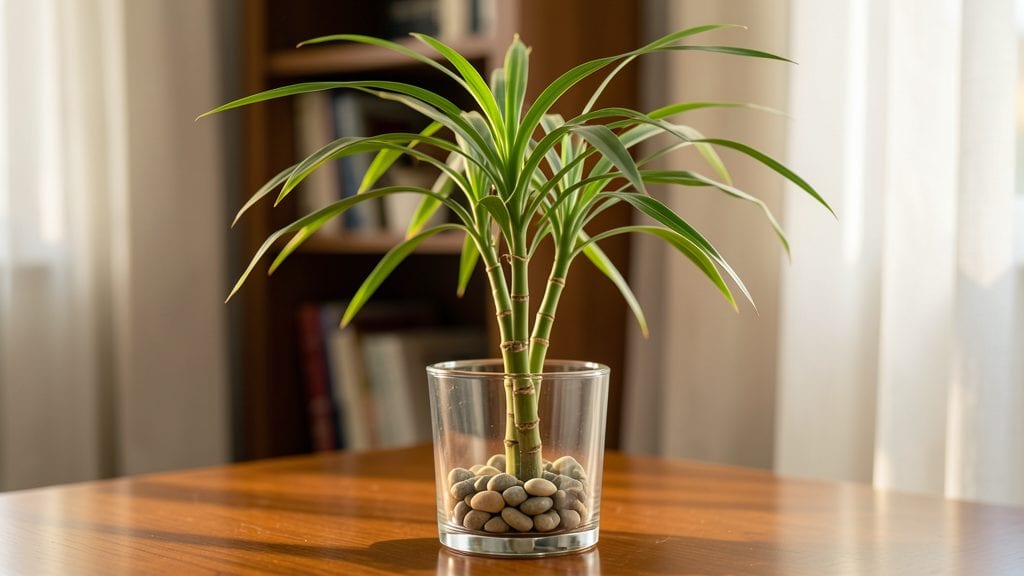
A bamboo plant fence grows taller than most people in just three years—no waiting decades for slow-growing evergreens. I planted mine last spring, and by summer’s end, the vertical stripes already blocked the neighbor’s view while adding a tropical vibe to my backyard.
The key is choosing the right species and spacing them correctly from the start.
You’ll need 10-20 plants per 10-foot section, depending on the bamboo’s mature width, plus a trench or root barrier to keep it contained. Clumping varieties like Bambusa vulgaris stay put, while running types need underground barriers to prevent spread.
Most soils work, but well-draining spots with morning sun produce the fastest growth.
Within two years, you’ll have a lush, 12-15-foot-tall screen that feels like a natural wall—no construction mess, no permits, just green privacy. The rustling leaves add sound, and the canes create shade for a cooler patio.
Maintenance is minimal: prune dead canes in early spring and trim overgrowth to keep the shape tight.
Perfect for yards with 6+ hours of sunlight, bamboo fences work as standalone screens or mixed with other plants for texture. Just avoid planting near septic systems or water sources. Ready to grow your own living fence?
📚 In This Guide
- What you need
- Instructions
- Tips and common mistakes
- Wrapping up and next steps
What you need
- ● Bamboo plants: 10–20 plants per 10-foot section (depending on spacing; clumping bamboo like Fargesia works best). Choose running bamboo only if you’re using root barriers!
- ○ Root barriers: 30–40 mil thick HDPE plastic (6–8 feet deep, buried vertically). Optional but critical for running bamboo to prevent spread.
- ● Soil: Well-draining, nutrient-rich mix (compost + native soil in a 1:1 ratio). Avoid heavy clay.
- ● Mulch: 2–3 inches of organic mulch (wood chips or straw) to retain moisture and suppress weeds.
- ● Stakes or trellis: 4–6 foot wooden or metal stakes (or a pre-built bamboo trellis) for support, spaced 3–4 feet apart.
- ● Shovel or trenching tool (for digging)
- ● Measuring tape + string (to mark layout)
- ● Post-hole digger (for stakes/barriers)
- ● Pruners or shears (for trimming)
- ● Gloves + knee pads (trust us, they’re a game-changer!)
- ● Fertilizer (balanced 10-10-10 or slow-release bamboo-specific formula)
- ● Drip irrigation system (for consistent watering)
- ● Edging material (landscape fabric or metal edging to define the fence line)
- ● Decorative stakes or paint (to label plants or add flair)
Step-by-Step instructions for building a fast-growing bamboo privacy screen
Here’s how to establish a lush, wind-resistant bamboo fence that delivers privacy in record time.
Select and Prepare the Bamboo Variety
Choose clumping bamboo varieties like Bambusa multiplex or Fargesia robusta—they stay contained and won’t spread aggressively. Avoid running bamboo (e.g., Phyllostachys species) unless you’re prepared for rhizome barriers. Dig planting holes 3 times wider than the root ball and 12-18 inches deep to accommodate spreading roots.
Soak the root balls in water for 1-2 hours before planting to revive any dried roots. This ensures faster establishment and reduces transplant shock. If planting in clay soil, amend the hole with 2 inches of compost to improve drainage—bamboo roots rot quickly in waterlogged conditions.
Plant Bamboo in a Trench for Natural Support
Create a 12-inch-wide trench along your desired fence line, deep enough to bury the root ball completely. Space plants 3-5 feet apart for dense growth—closer spacing speeds up privacy but requires more frequent pruning. Backfill the trench with native soil mixed with 1 part compost to encourage root spread.
Stake each plant with 2-foot bamboo stakes tied loosely to the stem to prevent wind damage during the first growing season. Water immediately after planting to eliminate air pockets around the roots. Mulch the trench with 3 inches of wood chips to retain moisture and suppress weeds.
Water Deeply and Maintain Moisture for First Year
Water newly planted bamboo 2-3 times per week for the first month, then taper to 1 inch of water weekly once established. You’ll know it’s thriving when new shoots emerge within 4-6 weeks—these are your fastest-growing privacy builders. Avoid overhead watering; direct the hose at the base to prevent fungal diseases.
Fertilize in early spring with a balanced 10-10-10 formula applied at half strength. Over-fertilizing encourages leafy growth over sturdy stems, which weakens the screen’s structural integrity. Prune any dead or crossing canes immediately to redirect energy into vertical growth.
Prune Strategically for Density and Height
In late winter or early spring, cut back any canes that died over winter to 6 inches above ground level. This stimulates fresh, vigorous growth from the base. For height control, trim the tops of canes by one-third after the first growing season—this encourages bushier growth and prevents the fence from becoming top-heavy in storms.
Remove any suckers that appear outside the trench to keep the screen contained. If canes lean excessively, tie them to the stakes with soft plant ties. By year three, your screen should reach 8-10 feet tall with minimal gaps, providing full privacy.
Protect Against Pests and Winter Damage
Monitor for bamboo borers or aphids—spray infested areas with neem oil if you spot chewed leaves or sticky residue. In colder climates, wrap young canes with burlap during the first winter to prevent sunscald. Mature bamboo typically tolerates 10°F without protection, but new growth may require extra care.
By year three, your bamboo fence will be self-sustaining, requiring only seasonal pruning and occasional watering during droughts. The key to speed is consistent moisture and proper spacing—skip either, and you’ll delay that lush, green privacy wall.
Tips & tricks for building a fast-growing bamboo privacy screen
These insights will help you accelerate growth while avoiding common pitfalls that slow down your bamboo privacy screen.
Root Preparation is Critical: The 1-2 hour soaking period in Step 1 isn't just about hydration—it's about reviving dormant roots that might have dried during transport. I've seen bamboo plants fail to establish properly when this step is skipped, especially in hot climates. For container-grown plants, gently loosen the root ball before soaking to encourage faster root spread into the prepared trench.
Trench Depth Determines Stability: Burying the root ball completely in the 12-inch-wide trench creates a natural support system that prevents wind damage. The deeper you plant, the more stable your screen will be during storms. In windy areas, consider extending the trench depth to 18 inches for additional support, particularly for taller varieties like Fargesia robusta that can reach 8-10 feet.
Watering Strategy for Speed: The 2-3 times weekly watering in the first month isn't just about moisture—it's about establishing a consistent watering routine that bamboo will come to depend on. Use a soaker hose at the base rather than overhead watering to prevent fungal diseases that can stunt growth. In dry climates, consider installing a drip irrigation system along the trench to maintain that critical 1 inch of weekly water once established.
Pruning for Density: When you trim the tops by one-third after the first growing season in Step 4, you're not just controlling height—you're encouraging the plant to produce more side shoots that will fill in gaps. This bushier growth pattern is what gives bamboo its privacy screen characteristics. I've found that plants pruned this way reach full density about 6 months earlier than unpruned specimens.
Pro Tips for Bamboo Plant Fence
- These insights will help you accelerate growth while avoiding common pitfalls that slow down your bamboo privacy screen.
- Root Preparation is Critical: The 1-2 hour soaking period in Step 1 isn't just about hydration—it's about reviving dormant roots that might have dried during transport.
- Trench Depth Determines Stability: Burying the root ball completely in the 12-inch-wide trench creates a natural support system that prevents wind damage.
Frequently asked questions
Got questions about bamboo plant fences?
You’re not alone! Here are answers to the most common concerns to help you plan with confidence.
How fast does a bamboo fence actually grow?
A bamboo fence can grow surprisingly fast—up to 3 feet per year under ideal conditions (full sun, moist soil, and regular watering). Some varieties, like Phyllostachys, reach full height (10–30 feet) in just 3–5 years, offering quick privacy. However, growth slows in cooler climates or dry seasons.
How much water does a bamboo fence need?
Bamboo thrives on consistent moisture but hates soggy roots. Water deeply 2–3 times per week for the first year, then taper to 1–2 times weekly once established. Mulch around the base to retain moisture and suppress weeds. Drought-tolerant varieties (like Bambusa multiplex) need less water but still prefer regular hydration.
Will bamboo spread and damage my property?
This depends on the type! Running bamboo (e.g., Phyllostachys) spreads aggressively via underground rhizomes and can invade neighboring yards if unchecked. Clumping bamboo (e.g., Bambusa) stays contained but grows slower. Always install a rhizome barrier (HDPE plastic, 3 feet deep) to block spread and protect foundations, driveways, or septic systems.
Can I use bamboo as a fence without planting it?
Yes! If you prefer low-maintenance options, consider pre-made bamboo fence panels (available at garden centers or online). These are lightweight, weather-resistant, and can be installed with screws or stakes. However, they won’t grow taller or provide the same long-term privacy as live plants. For a hybrid solution, plant bamboo poles in a grid for a natural yet structured look.
Does bamboo survive winter, or do I need to protect it?
Most bamboo is hardy to USDA zones 5–10, but young plants or tender varieties (like Fargesia) may need winter care. In cold climates, mulch heavily around the base and wrap canes in burlap if temperatures drop below 10°F. Evergreen bamboo (e.g., Phyllostachys aureosulcata) holds leaves year-round, while deciduous types lose foliage but regrow in spring.
What pests or diseases should I watch for?
Bamboo is generally pest-resistant, but keep an eye out for aphids, spider mites, or bamboo borers. Treat infestations early with neem oil or insecticidal soap. Fungal diseases (like leaf spot) thrive in humid conditions—improve airflow and avoid overhead watering. Root rot can occur in waterlogged soil, so ensure proper drainage. Healthy plants rarely face major issues!
Wrapping up and next steps
A bamboo plant fence isn’t just a dream—it’s a fast-growing, eco-friendly solution for privacy and beauty in just three years! 🌿 With the right species, soil prep, and care, you’ll enjoy lush greenery that thrives while requiring minimal effort.
Whether you’re shielding your yard from neighbors, noise, or wind, bamboo delivers natural elegance without the hassle of traditional fencing.
Ready to transform your outdoor space? Start by selecting your bamboo type, gathering supplies, and diving into planting—your future privacy oasis awaits! Roll up your sleeves and get growing! 🌱