
Companion Plants
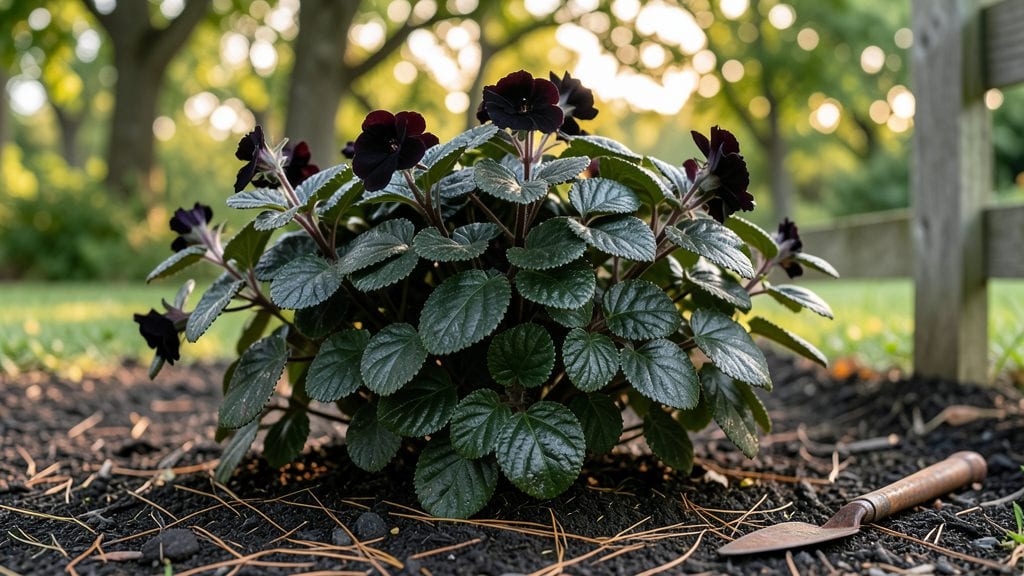
Growing black geranium plants transforms your garden into a fragrant pest-free haven. 🌿 These velvety dark-leaved beauties aren't just stunning—they naturally repel aphids, whiteflies, and even mosquitoes with their citrusy scent. I've grown them for years, and they're the secret weapon in my vegetable beds and containers.
The key to their success is simple: bright sunlight, well-draining soil, and occasional pruning to keep them bushy. They thrive in pots or garden beds, and their deep purple-black foliage creates dramatic contrast with bright flowers.
Water when the top inch feels dry, and you'll avoid the most common mistake—overwatering that leads to root rot.
By midsummer, you'll have lush vines producing clusters of fragrant blooms that attract pollinators while keeping pests away. The scent alone makes them worth growing, but the pest control is the real game-changer.
These plants multiply easily through cuttings, so you'll soon have more than you know what to do with.
Perfect for beginners and experienced gardeners alike, black geraniums adapt to containers, hanging baskets, or garden borders. Their versatility makes them ideal for small spaces or as a striking centerpiece in larger gardens. Let's get those fragrant vines growing strong!
📚 In This Guide
- What you need
- Instructions
- Tips and common mistakes
- Wrapping up and next steps
What you need
- ● Black geranium seeds or cuttings: 3–5 seeds or 1–2 healthy cuttings (ensure they’re disease-free).
- ● Well-draining potting mix: 1–2 gallons of a blend like African violet mix or a 50/50 mix of peat moss and perlite.
- ○ Containers (optional for seedlings): Small pots (4–6 inches wide) with drainage holes.
- ● Larger container or garden bed: A 12-inch pot or a sunny, well-drained garden spot (if planting outdoors).
- ● Pruning shears: Sharp, sterilized shears for trimming cuttings or dead foliage.
- ● Spray bottle: For misting seeds or seedlings (16 oz recommended).
- ● Garden trowel or small shovel: For transplanting (if gardening outdoors).
- ○ Gloves (optional): To protect hands from soil or thorns.
- ● Sunlight: 4–6 hours of bright, indirect light daily (avoid harsh afternoon sun for seedlings).
- ● Temperature: Ideal range of 65–75°F (18–24°C) for germination and growth.
- ● Humidity: Moderate to high (use a humidity dome or tray with pebbles if needed).
- ● Patience: Seeds may take 2–4 weeks to germinate!
- ● Slow-release fertilizer (balanced 10-10-10 or organic options like fish emulsion).
- ● Support trellis or stakes (for climbing varieties).
- ● Mulch (to retain moisture in garden beds).
- ● Pest control spray (neem oil or insecticidal soap, if needed).
Step-by-Step guide to growing and maintaining black geranium plants
Here’s how to cultivate these striking, pest-repelling vines with minimal fuss—ideal for containers or garden edges.
🌱 Step 1: Select the Right Location and Prepare the Soil
Black geraniums thrive in partial shade to full sun, but avoid harsh afternoon rays that can scorch their dark foliage. Choose a spot with morning sun and afternoon dappled light—a north-facing window or lightly shaded patio works perfectly. These vines tolerate a range of soil types but prefer well-draining, slightly acidic soil with a pH between 6.0 and 7.0.
Amend heavy clay soil with 2-3 inches of compost or sand to improve drainage. Black geraniums hate soggy roots, so if your garden holds water, plant them in raised beds or containers with drainage holes. I always test soil moisture by squeezing a handful—if it stays clumped, it’s too dense.
🪴 Step 2: Plant with Proper Spacing and Support
Space plants 12-18 inches apart to allow airflow and prevent fungal diseases. Since black geraniums are vigorous climbers, install a trellis, arbor, or sturdy fence nearby for support. I use metal or bamboo trellises because they’re durable and rustic-looking. Plant at the same depth as the nursery pot, pressing soil gently around the roots to eliminate air pockets.
Water deeply after planting to settle the soil and encourage root expansion. Avoid wetting the foliage, as this can invite powdery mildew. Mulch with 2-3 inches of shredded bark to retain moisture and suppress weeds. This step is critical—skipping mulch leads to rapid soil drying, especially in hot climates.
☀️ Step 3: Water and Fertilize for Optimal Growth
Black geraniums prefer consistently moist but never soggy soil. Water when the top 1-2 inches feel dry—stick your finger in the soil to check. Overwatering is the fastest way to kill these plants, so I always err on the side of underwatering. During summer, they may need watering every 2-3 days, while winter care reduces this to once a week.
Feed with a balanced, water-soluble fertilizer (10-10-10) every 4-6 weeks during the growing season. I dilute it to half-strength to avoid burning roots. Stop fertilizing in late summer to encourage blooming. Yellowing leaves signal over-fertilization, while slow growth means it’s time to feed again.
✂️ Step 4: Prune and Train for Bushier Growth
Pinch back new growth by ⅓ in early spring to encourage bushier vines. Regular pruning also prevents leggy stems and improves airflow. Remove any yellowed or diseased leaves immediately—black geraniums are susceptible to powdery mildew in humid conditions. I use clean, sharp pruners and sterilize them with rubbing alcohol between cuts.
Train vines along the trellis by gently tying them with soft plant ties every 4-6 inches. Avoid metal ties that can cut into stems. Prune back any overgrown sections in late summer to prepare for winter dormancy. This step keeps plants compact, healthy, and pest-resistant—neglecting pruning leads to weak, sprawling growth.
💧 Step 5: Overwinter and Protect from Cold
Black geraniums are semi-evergreen and tolerate light frosts, but prolonged cold below 20°F will kill them. In colder climates, cut back vines to 6 inches tall and mulch heavily with 4-6 inches of straw or leaves. Move container-grown plants to a garage or unheated shed where temperatures stay above 30°F.
Reduce watering to once every 2-3 weeks during dormancy—overwatering in winter causes root rot. In spring, resume regular care as new growth appears. This step ensures your plants return stronger each year. If you live in a mild climate, they may stay green year-round with minimal protection.
Tips & tricks for perfect black geranium plants
These simple yet game-changing strategies will help you cultivate thriving black geraniums that stay healthy and pest-resistant for years.
Soil Test First: Before amending soil in Step 1, grab a soil pH test kit from your garden center. Black geraniums prefer slightly acidic soil (pH 6.0-7.0), and adjusting this range makes all the difference. I've seen plants struggle in alkaline soil until I added sulfur to lower the pH. The key is testing first—don't guess!
Support Installation: When setting up your trellis in Step 2, bury the posts at least 6 inches deep for stability. I learned this the hard way when a summer storm toppled my lightweight bamboo trellis. For extra security, use metal stakes to anchor the base. This prevents the vines from becoming top-heavy and snapping during windstorms.
Watering Technique: In Step 3, water at the base rather than overhead to prevent fungal diseases. I use a soaker hose for 10-15 minutes to ensure deep, even moisture without wetting the foliage. This mimics natural rainfall and reduces powdery mildew risk. Early morning watering (before 10 AM) gives leaves time to dry completely.
Pruning Timing: The late summer pruning in Step 4 is crucial—don't wait until fall! Cutting back overgrown sections by late August gives plants time to harden off before winter. I always sterilize my pruners with rubbing alcohol between cuts to prevent cross-contamination of diseases. This single step dramatically improves next year's growth.
Pro Tips for Black Geranium Plants
- These simple yet game-changing strategies will help you cultivate thriving black geraniums that stay healthy and pest-resistant for years.
- Soil Test First: Before amending soil in Step 1, grab a soil pH test kit from your garden center.
- Support Installation: When setting up your trellis in Step 2, bury the posts at least 6 inches deep for stability.
Frequently asked questions
Got questions about growing black geranium plants? You’re not alone! Here are some common concerns—and their answers—to help you cultivate these fragrant, pest-repelling vines with confidence.
Are black geraniums easy to grow for beginners?
These hardy plants thrive in USDA Zones 9-11 and tolerate partial shade, making them a great starter vine. Just ensure well-draining soil and consistent moisture—no fancy skills required. Pro tip: Start with cuttings in spring for faster growth!
How long does it take for black geraniums to mature?
Expect 6–12 months for full maturity, depending on climate and care. In warm zones, they grow aggressively, while cooler areas may need a longer season. Prune regularly to encourage bushier, fragrant growth. Patience pays off—these vines reward you with lush, pest-free foliage!
Do black geraniums really repel pests?
Yes! Their strong scent deters aphids, whiteflies, and even mosquitoes. Plant them near roses, citrus, or veggies for natural protection. Bonus: The fragrance also masks less appealing plant scents, like those of cabbage moths. A win-win for your garden!
Can I grow black geraniums in containers?
Use a 10+ gallon pot with drainage holes and a mix of potting soil and perlite. Train vines upward with trellises or let them trail. Move containers indoors in winter if temps drop below 40°F to keep them thriving.
Why are my black geranium leaves turning yellow?
Yellow leaves often signal overwatering or nutrient deficiency. Let soil dry slightly between waterings and fertilize lightly with a balanced 10-10-10 mix in spring/summer. Avoid soggy soil—these vines prefer it on the drier side!
Are black geraniums edible or toxic to pets?
While non-toxic to humans, they’re mildly toxic to pets if ingested in large amounts. Keep them out of reach of curious cats/dogs. Never eat them—stick to admiring their beauty and pest-fighting powers!
Wrapping up and next steps
Black geranium plants are a gardener’s secret weapon—fragrant, pest-repelling, and stunningly beautiful! 🌿 Whether you’re drawn to their deep purple-black foliage or their ability to deter unwanted critters naturally, these vines are a must-have for any garden.
With the right care, they’ll thrive, spread, and keep your space smelling fresh while warding off pests.
Ready to level up your garden game? Start by planting a few black geraniums this season—your plants (and your nose) will thank you! 🌱 For even more tips, explore companion planting combos or dive into organic pest control methods to create a thriving, low-maintenance ecosystem.