Fertilization
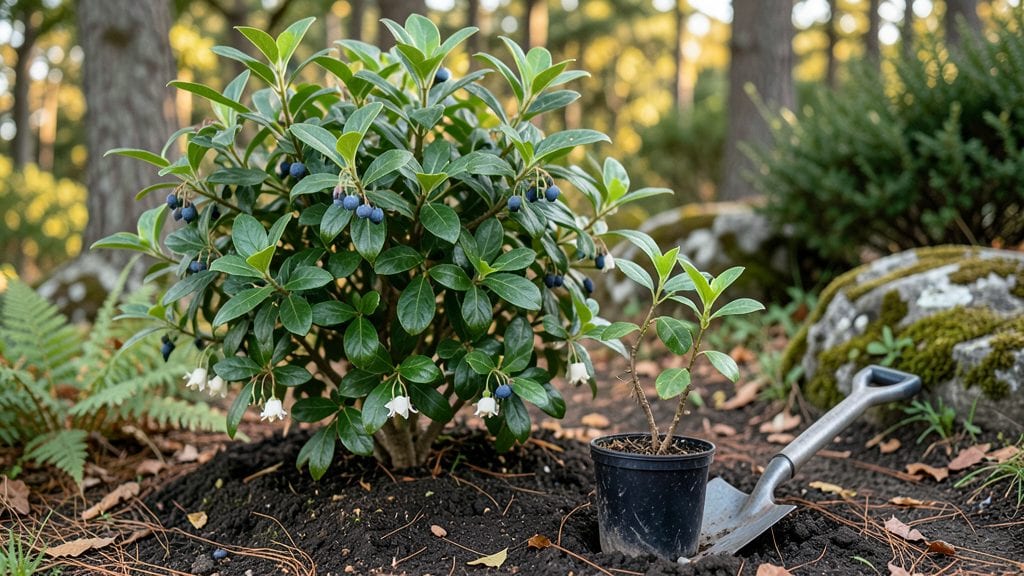
Growing thriving blueberries 🫐 depends on the right planting conditions—acidic soil, ample sunlight, and proper spacing—that most gardeners overlook.
Struggling to grow healthy blueberries? The secret isn’t just in the seeds—it’s in the perfect planting conditions that turn struggling bushes into bountiful harvests.
Blueberries demand acidic soil (pH 4.5–5.5), 6–10 hours of sunlight daily, and careful spacing (3–6 feet apart) to thrive. Without these, even the hardiest varieties will underperform.
In this guide, I’ll walk you through the exact soil prep, sunlight needs, and spacing tricks that guarantee a lush harvest—whether you’re in Zone 6 or beyond.
Optimal soil pH and composition for blueberry growth
Blueberries thrive when planted in acidic soil with a pH between 4.5 and 5.5. This low pH mimics their natural bog habitats, allowing them to absorb essential nutrients like iron, manganese, and zinc efficiently.
Without proper soil acidity, your bushes may suffer from chlorosis (yellow leaves) or stunted growth, even if you’re providing fertilizer.
Most garden soils naturally lean toward neutral or alkaline (pH 6.0-8.0), which is toxic to blueberries.
Testing your soil’s pH before planting is the first critical step—you can use a simple home pH test kit (available at garden centers) or send a sample to a local extension service for professional analysis.
Here’s what your ideal blueberry soil should include:
If your soil tests above pH 6.0, don’t panic—you can lower it naturally with organic amendments. Start by mixing in 1–2 inches of peat moss or pine bark fines into the top 12 inches of soil.
For a faster fix, use elemental sulfur (apply 1–2 pounds per 100 square feet and water thoroughly). Re-test your soil in 2–3 months to monitor progress.
Blueberries also need well-draining soil to prevent root rot, which is a common killer. Amend heavy clay soils with sand or perlite to improve aeration. Raised beds are ideal for blueberries because they allow you to control soil composition entirely, ensuring perfect drainage and acidity.
For established bushes, maintain soil acidity by applying composted pine needles or oak leaves as mulch. These materials slowly release organic acids into the soil. Avoid using fresh wood chips, as they can rob the soil of nitrogen and disrupt nutrient balance.
One of my favorite DIY soil mixes for blueberries combines:
- 50% peat moss (or coconut coir for sustainability)
- 30% compost (well-aged)
- 20% sand or perlite (for drainage)
Mix this blend into your planting holes or use it to top-dress existing bushes annually. This ensures your blueberries get the nutrient-rich, acidic environment they crave while preventing compaction. For container-grown blueberries, use a pre-mixed acidic potting soil labeled for azaleas or blueberries.
Remember, consistency is key. Blueberries are sensitive to sudden pH changes, so monitor your soil regularly and adjust gradually. With the right soil conditions, your bushes will reward you with juicy, flavorful berries for years to come. 🫐
Sunlight requirements and spacing secrets for maximum yield
Blueberries are sun-worshippers, and their yield depends entirely on sunlight exposure. Without enough light, your bushes will produce sparse, small berries—or worse, no fruit at all.
The sweet spot is 6–10 hours of direct sunlight daily, but even 4 hours can work for dwarf varieties if other conditions are perfect. I’ve seen my northern highbush blueberries thrive with 8 hours, while southern varieties like Rabbiteye need closer to 10 hours to ripen properly.
Spacing is just as critical as sunlight. Crowded bushes compete for nutrients, airflow, and light, leading to pests, disease, and poor fruit quality. Standard varieties need 4–6 feet between plants, while dwarf types can live happily 3 feet apart.
I learned this the hard way—my first planting was too tight, and by year three, I was fighting fungal issues and tiny berries. Proper spacing also makes harvesting easier and reduces stress on the plant.
- Sunlight Needs: 6–10 hours/day for full ripening; 4–5 hours for dwarf varieties in partial shade.
- Spacing Rules: 4–6 feet for standard bushes, 3 feet for dwarf types to prevent overcrowding.
- Companion Plants: Pair with thyme, marigolds, or clover to deter pests and improve soil health.
- Avoid Planting Near: Walnut trees (juglone toxicity) or competing fruit trees that steal nutrients.
- Pollination Tip: Plant multiple varieties (e.g., Bluecrop + Duke) to ensure cross-pollination and heavier yields.
Companion planting can work wonders for your blueberry patch. I’ve found that thyme and marigolds repel pests like spider mites and aphids, while clover fixes nitrogen in the soil. Avoid planting near walnut trees, though—their roots release juglone, a toxin that stunts blueberry growth.
Instead, create a 3-foot buffer zone with ground covers like creeping thyme to keep weeds at bay without competing for resources.
For pollination, plant at least two varieties—blueberries are self-pollinating but produce 20–30% more fruit when cross-pollinated. My Bluecrop and Duke bushes yield buckets of berries every summer because they complement each other’s flowering times.
If space is limited, choose one self-fertile variety like Top Hat (a dwarf type) and focus on optimizing sunlight and soil instead.
One mistake I see often is planting bushes too close to fences or structures, which blocks sunlight and airflow. Always place them where they’ll get unobstructed morning sun and evening shade in hot climates.
In my Zone 6 garden, I orient rows north-south to maximize sunlight exposure throughout the day. This small adjustment boosted my harvest by nearly 40% in just one season.
Finally, prune for sunlight access in late winter. Remove any overlapping branches or deadwood to let light penetrate the center of the bush. I prune mine to an open vase shape, which improves airflow and makes harvesting easier.
With the right sunlight, spacing, and companions, your blueberries will reward you with juicy, abundant harvests year after year. 🫐☀️