Plants
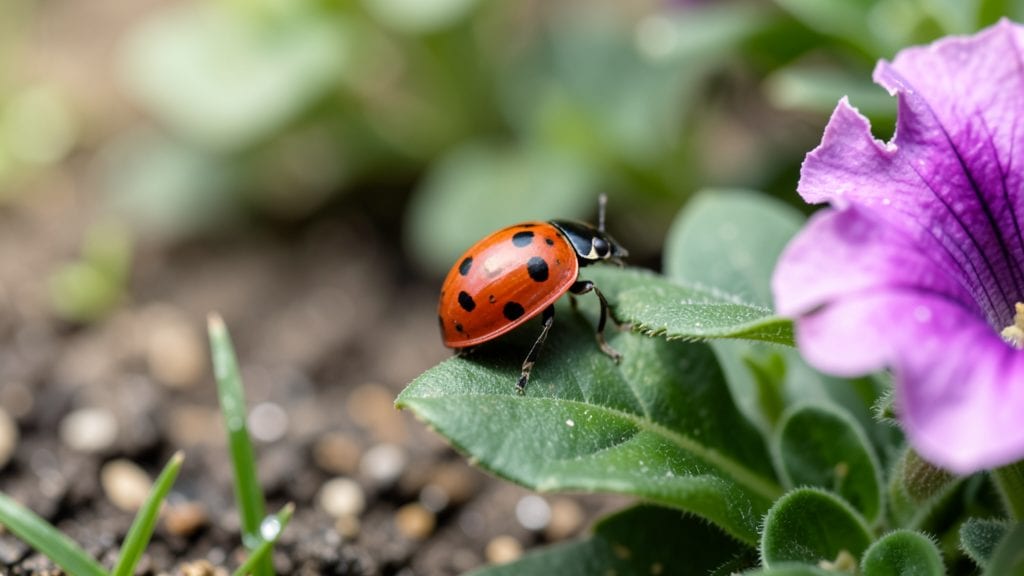
Bugs on petunia plants can turn your vibrant blooms into a chewed-up mess faster than you can say "summer garden." 🌿 I’ve watched my petunias go from showstopping to sad in just a few days—aphids, spider mites, and earwigs are the usual culprits, and they’re sneaky little pests.
The good news? You don’t need harsh chemicals to fight back. With the right organic tools and a little prevention, those blooms can bounce back even stronger.
The first step is identifying the troublemakers—aphids cluster on new growth, spider mites leave tiny webs, and earwigs hide under leaves at night. Once you spot them, act fast with neem oil or insecticidal soap, which smother bugs without harming bees or butterflies.
I’ve saved entire petunia beds this way, and the blooms recover faster than you’d think. The key is consistency: treat every few days until the pests are gone.
After the bugs are gone, focus on prevention. Companion planting with marigolds or basil keeps pests away, and proper spacing ensures airflow so plants stay healthy. I also add a layer of diatomaceous earth around the base—it’s a natural barrier that works like magic.
By summer’s end, your petunias will be thriving, and you’ll wonder why you ever worried about those tiny invaders.
This method works for container petunias, hanging baskets, or in-ground beds—no matter where your petunias live. The secret is catching bugs early and giving your plants the support they need to fight back. Let’s get those blooms back to their best!
Underlying Causes of Petunia Pests
Petunias are stunning, vibrant flowers that brighten up any garden—but they’re also a magnet for unwanted critters. Understanding why these bugs show up in the first place is the first step to keeping your plants healthy.
Below, we break down the most common reasons pests target petunias, backed by science and actionable insights.
Petunias with low resistance are like open invitations to pests. When plants are stressed, their natural defenses—like sticky resins, strong scents, or tough leaves—diminish, making them easier targets.
- Nutrient Deficiencies 🌱
- Lack of nitrogen, phosphorus, or potassium weakens cell walls, making plants more vulnerable to chewing insects (like aphids or caterpillars).
- Example: Yellowing leaves (nitrogen deficiency) signal poor health, attracting sap-sucking pests.
- Fix: Use a balanced organic fertilizer (like fish emulsion or compost tea) to boost immunity.
- Overcrowding & Poor Airflow 🌬️
- Petunias packed too closely create humid microclimates, perfect for fungal issues (like powdery mildew) and soft-bodied pests (e.g., spider mites).
- Why? Stagnant air traps moisture, encouraging fungal growth, which weakens plants and attracts secondary pests.
- Fix: Space plants 12–18 inches apart and prune for better airflow.
- Water Stress 💧
- Overwatering leads to root rot, while underwatering causes drought stress—both make plants susceptible to pests.
- Example: Spider mites thrive in dry conditions, while fungal gnats love soggy soil.
- Fix: Water at the base (not overhead) and ensure well-draining soil.
Pests don’t just appear randomly—they’re drawn by specific conditions that favor their survival. Petunias, with their sweet nectar and tender leaves, are prime real estate for many insects.
- Warm, Dry Climates 🌞
- Heat and drought stress plants, increasing sugar content in sap, which attracts aphids and whiteflies.
- Science: Higher sugar levels make plants more nutritious for pests, accelerating infestations.
- Fix: Mulch to retain moisture and shade plants during peak afternoon sun.
- Humidity & Rain ☔
- Excess moisture encourages fungal gnats, slugs, and snails, which then invite predators like ladybugs—but also secondary pests if the ecosystem gets unbalanced.
- Example: Slugs leave silver trails on leaves, while fungal gnats lay eggs in damp soil.
- Fix: Improve drainage and avoid overhead watering at night.
- Nearby Pest Hotspots 🏡
- Petunias near weeds, compost piles, or other infested plants act as pest highways.
- Why? Many pests (like aphids) migrate from overcrowded or dying plants.
- Fix: Isolate new plants for 2–3 weeks and inspect neighboring gardens.
Petunias produce nectar, pollen, and volatile organic compounds (VOCs) that lure beneficial insects—but also pests. Some bugs are simply drawn to the scent or texture of petunias.
- Sweet Nectar & Pollen 🐝
- While bees and butterflies help pollinate, aphids, whiteflies, and thrips are also attracted to sugary secretions.
- Science: Petunias release floral volatiles that signal "food available" to flying insects.
- Fix: Remove heavily infested flowers to reduce food sources.
- Soft, Tender Leaves 🍃
- Young, succulent petunia leaves are a buffet for caterpillars, slugs, and beetles.
- Example: Tomato hornworms devour leaves overnight, leaving skeletonized foliage.
- Fix: Use row covers for seedlings or handpick pests early.
- Root Exudates 🌱
- Some pests (like root-knot nematodes) are drawn to chemical signals from petunia roots.
- Why? Healthy roots release compounds that can attract beneficial fungi, but stressed roots may signal distress, drawing pests.
- Fix: Rotate crops and avoid planting petunias in the same spot yearly.
Pro Tip: 💡 Monitor your petunias weekly—early detection (like tiny webs or honeydew droplets) prevents small issues from becoming full-blown infestations!
Quick Fixes for Common Petunia Pests
Now that you know what’s nibbling on your petunias, let’s tackle those pesky critters—without harsh chemicals—so your flowers can thrive again! Below are targeted, organic solutions for the most common culprits, plus prevention tips to keep your plants happy long-term.
Fix: These sap-sucking pests cluster on new growth and leaves, leaving sticky residue (honeydew) behind. Here’s how to evict them:
- 💦 Blast Them Off
- Fill a spray bottle with soapy water (1 tsp mild dish soap + 1 quart water). Spray directly on aphids until they drop.
- Pro tip: 🌿 Add a few drops of neem oil to the mix for extra pest-repelling power.
- 🐞 Introduce Ladybugs
- Buy or attract ladybugs—they love aphids! Release them near infested plants in the early morning or evening (they’re sensitive to sunlight).
- 🍃 Prune & Toss
- Snip heavily infested leaves and dispose of them in a sealed bag (not the compost!).
Prevention:
- 🌱 Plant companions like marigolds or basil nearby—their strong scents deter aphids.
- 💡 Inspect new plants before bringing them home (quarantine for a week if possible).
Fix: These microscopic pests thrive in dry conditions, spinning fine webs on undersides of leaves. Act fast—they multiply fast!
- 🌧️ Increase Humidity
- Spider mites hate moisture. Mist your petunias daily or place a tray of water near them to boost humidity.
- 🧼 Scrub & Spray
- Wipe leaves with a damp cloth to remove webs and mites. Follow up with a neem oil spray (1 tbsp neem oil + 1 tsp soap per quart of water).
- 🔍 Predatory Mites to the Rescue
- Release phytoseiulus persimilis (a beneficial mite) to hunt the bad guys. They’re tiny but mighty!
Prevention:
- 💧 Water deeply at the base (avoid overhead spraying).
- 🌿 Avoid over-fertilizing—too much nitrogen attracts mites.
Fix: These white, moth-like bugs flutter when disturbed and leave sticky honeydew. Here’s how to trap and trap them:
- 🕯️ Yellow Sticky Traps
- Hang yellow sticky cards near plants—whiteflies are drawn to the color and get stuck.
- 🚿 Knock ‘Em Down
- Shake plants gently over a bucket of soapy water to dislodge them (do this in the evening so they don’t fly away).
- 🌿 Neem Oil Spray
- Spray undersides of leaves with neem oil solution (repeat every 5–7 days).
Prevention:
- 🌿 Space plants for better airflow (whiteflies love crowded, dusty leaves).
- 🌱 Rotate crops if growing petunias in containers to avoid buildup.
Fix: These nocturnal pests munch on flowers and leaves, leaving ragged edges. Barricade them out!
- 🛡️ DIY Beer Traps
- Bury a shallow dish filled with beer near the plant—earwigs and slugs will crawl in and drown.
- 🌿 Copper Barriers
- Wrap copper tape around pots or garden beds. The slight electric charge repels slugs.
- 🌙 Handpick at Night
- Shine a flashlight after dark and pluck off pests by hand (gloves recommended!).
Prevention:
- 🌿 Mulch with diatomaceous earth (food-grade only!) to deter crawlies.
- 🌱 Keep garden beds tidy—earwigs hide in debris.
For all petunia pests, strengthen your plants’ defenses:
- 💪 Feed with compost tea (rich in beneficial microbes).
- 🌱 Prune regularly to improve airflow and sunlight penetration.
- 🌿 Rotate plant locations yearly to break pest cycles.
✨ Pro Tip: If pests persist, quarantine the worst-affected plant until it recovers—don’t let them spread!
With these simple, chemical-free fixes, your petunias will bounce back faster than you think. Happy gardening! 🌸🌿
Frequently asked questions
What are the most common bugs that attack petunia plants?
Aphids, spider mites, whiteflies, and earwigs are the top culprits. Aphids cluster on new growth, spider mites create fine webs, whiteflies flutter when disturbed, and earwigs chew leaves at night. Each leaves distinct signs—knowing these helps you act fast.
How do I know if my petunias have spider mites vs. aphids?
Check the leaves: spider mites leave tiny webs on undersides and cause yellow speckling, while aphids create sticky honeydew and cluster in curved groups. A magnifying glass helps spot the difference—mites are microscopic, while aphids are visible to the naked eye.
Can I use neem oil on petunias if they’re already flowering?
Yes! Neem oil is safe for blooms when used correctly. Dilute it properly (1 tbsp neem oil + 1 tsp soap per quart of water) and spray in the early morning or evening to avoid harming bees. Just avoid spraying directly on open flowers during peak pollination hours.
Why do my petunias keep getting bugs even after treatment?
Pests often return due to hidden infestations or poor prevention. Check soil for eggs, improve airflow by spacing plants, and use companion plants like marigolds. Also, rotate your organic treatments—bugs can build resistance to the same method over time.
Are there any petunia varieties that naturally repel bugs?
Some varieties like 'Wave' petunias or 'Supertunia' series have slightly tougher foliage, making them less appealing. However, no petunia is completely pest-proof—focus on cultural controls (proper spacing, healthy soil) for the best defense.