
Plants
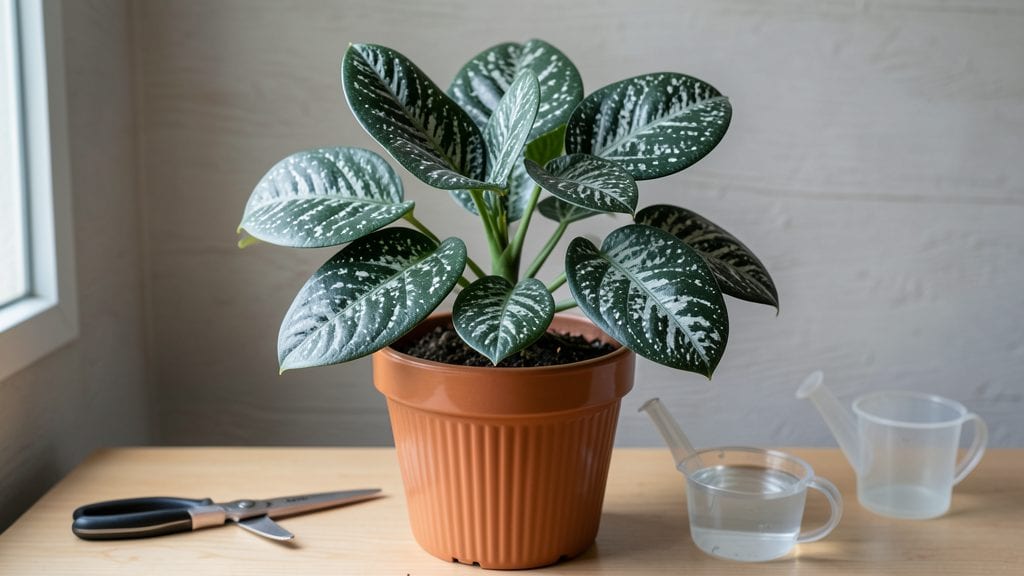
Growing a butterfly leaf plant requires bright, indirect light, well-draining soil rich in organic matter, and steady moisture without waterlogging. Regular pruning helps maintain its signature colorful foliage and bushy shape.
A butterfly leaf plant, with its striking variegated leaves, thrives when you mimic its natural tropical habitat. 💫 The key is balancing light exposure—too much direct sun can scorch those delicate patterns, while artificial grow lights work well for indoor setups.
I've found that a mix of morning sun and afternoon shade keeps the leaves vibrant. For soil, focus on aeration: peat-based mixes with perlite help prevent root rot, which is a common issue when moisture lingers.
The plant’s dramatic foliage is its signature, so maintaining these conditions directly impacts how bold and colorful those leaves stay.
This tropical beauty also rewards patience—its growth rate is moderate, but with the right care, it can become a stunning focal point in your home. The variegation isn't just decorative; it's a sign of healthy photosynthesis, so keeping conditions ideal ensures those patterns remain sharp and eye-catching.
💡 In This Article
- Optimal Light and Soil Conditions for Butterfly Leaf Growth
- Pruning and Care Tips for Vibrant Butterfly Leaf Foliage
Optimal light and soil conditions for butterfly leaf growth
Light intensity directly controls the butterfly leaf plant's variegation patterns through a process called chlorophyll masking. The plant's leaves contain both green chlorophyll cells and white or yellow variegated cells that lack chlorophyll.
When exposed to bright, indirect light (around 1,000-2,000 foot-candles), the chlorophyll in green cells absorbs light for photosynthesis while the variegated cells reflect light, creating those striking patterns.
Too much direct sun (like a south-facing window) can cause the white cells to burn, while too little light (under 500 foot-candles) leads to weak, pale foliage and reduced variegation intensity.
For indoor growing, east-facing windows provide ideal morning light without harsh afternoon rays, while artificial LED grow lights (with a 6500K color temperature) can supplement light in darker spaces.
I've observed that plants under grow lights develop more uniform variegation because the light spectrum remains consistent, unlike natural sunlight which varies by season.
The soil's role here is equally critical—it must maintain a pH between 5.5 and 6.5 to allow proper nutrient uptake, particularly iron and magnesium, which are essential for chlorophyll production in the green cells.
Soil composition affects root aeration and moisture retention, both of which impact the plant's ability to transport nutrients to its leaves. A well-draining mix with 50% peat or coco coir, 30% perlite or pumice, and 20% compost creates the perfect balance.
The perlite prevents compaction, ensuring roots receive oxygen, while the peat holds moisture without suffocating the roots. This combination mimics the plant's native tropical forest floor, where it grows under the canopy with dappled sunlight and humus-rich soil.
Without proper aeration, roots suffocate, leading to yellowing leaves and stunted growth—something I've seen firsthand when over-potting without amendments.
Here's what happens when conditions go wrong: Overwatering in dense soil causes root rot, while underwatering in sandy mixes leads to nutrient deficiencies. The variegated cells are particularly sensitive because they can't photosynthesize, so they rely entirely on the green cells for energy.
When roots struggle, the entire leaf system weakens, causing the variegation to fade or turn brown at the edges. Even the soil's texture matters—the right mix should crumble easily when dry but still hold moisture when squeezed, like a damp sponge.
For maximum variegation, aim to keep the soil 60-70% moisture by volume, checking the top 1-2 inches before watering. The plant's leaves will tell you what they need: crisp, upright leaves mean proper conditions, while drooping or curling indicates either too much or too little water.
I've found that using a moisture meter with a 1.0-2.0 reading (on a 0-4 scale) gives the most consistent results. The key is consistency—fluctuations in moisture stress the plant, causing it to prioritize survival over vibrant foliage patterns.
One advanced tip: If your plant's variegation starts looking dull, it might need a light adjustment. Move it closer to the light source (but not into direct sun) and increase humidity to 60-70% using a pebble tray or humidifier.
The higher humidity helps prevent the leaf edges from drying out, which can make variegation appear less defined. Think of it like adjusting the contrast on a photo—the right light and soil conditions sharpen those beautiful patterns.