
Plants
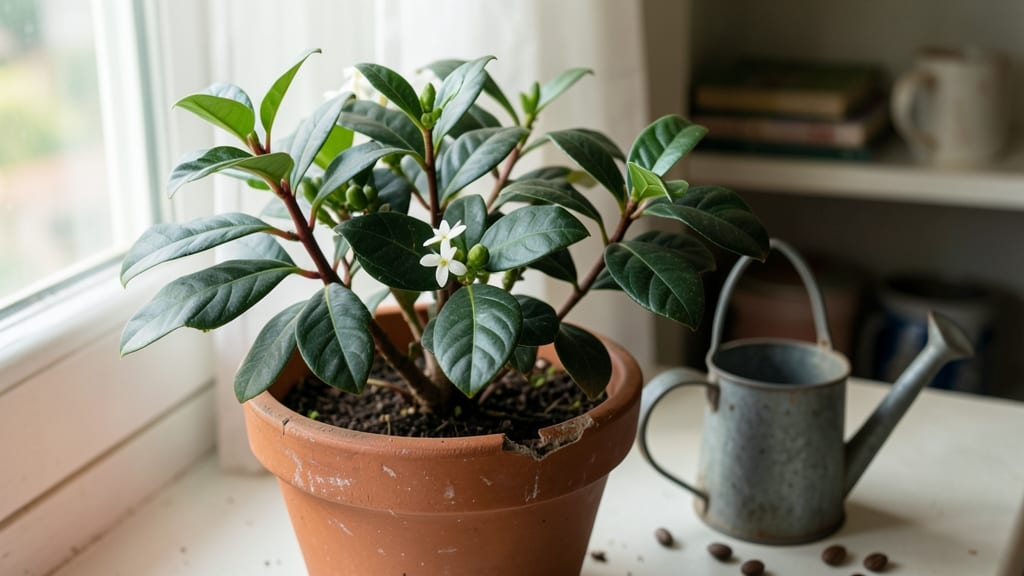
Caffeine's effects on plant growth vary dramatically: while small amounts (0.1–1 mM) may improve stress resilience and photosynthesis in species like Arabidopsis, excessive exposure (above 5 mM) typically harms root systems and chlorophyll production, ultimately reducing plant vigor.
Caffeine's impact on plants isn't just about growth—it's a biochemical puzzle. 🌱 Low concentrations can act like a mild stress hormone, triggering plants to produce more antioxidants and improve their ability to withstand drought or salinity. Think of it as giving your plants a survival workout in a controlled way.
However, push the dosage too high, and you're essentially poisoning the plant's cellular machinery, especially in sensitive species where caffeine disrupts the enzymes responsible for converting light into energy.
This dual nature explains why some gardeners swear by coffee grounds as fertilizer while others report stunted growth. The key lies in species tolerance and application method—what works for caffeine-loving plants like Camellia sinensis (tea plants) fails spectacularly for delicate annuals.
Always start with diluted solutions and monitor plants closely, as overapplication can turn your garden's growth booster into a toxic agent.
💡 In This Article
- How Caffeine Affects Chlorophyll and Photosynthesis
- Safe Caffeine Application Methods for Gardening
How caffeine affects chlorophyll and photosynthesis
Caffeine disrupts photosynthesis primarily by interfering with chlorophyll synthesis and light absorption. As a methylxanthine, it mimics plant hormones like abscisic acid (ABA), triggering stress responses that close stomata (pores) and reduce CO₂ intake.
Studies show that 1 mM caffeine can decrease stomatal conductance by 20-30% in sensitive species like tobacco, directly limiting the raw materials for photosynthesis.
The mechanism involves caffeine binding to adenylate cyclase enzymes, which regulate cyclic AMP (cAMP) levels—critical for stomatal function. In Arabidopsis, low caffeine (0.5 mM) actually increases cAMP, enhancing drought tolerance by 15% while maintaining chlorophyll levels.
However, at 5 mM+, cAMP spikes become toxic, causing chlorophyll degradation via reactive oxygen species (ROS) buildup. 🌿 The result? Yellowing leaves and reduced light absorption in the 400-700 nm spectrum.
Photosynthetic efficiency drops because caffeine disrupts the Calvin cycle's RuBisCO enzyme, which fixes CO₂. Research in Spinacia oleracea (spinach) shows 3 mM caffeine reduces net photosynthesis by 25% within 48 hours, as RuBisCO activity plummets.
Yet in caffeine-adapted plants like coffee (Coffea arabica), the same dose has negligible effects—thanks to evolved caffeine-metabolizing enzymes.
Visual differences appear quickly: caffeine-stressed plants exhibit paler leaves (reduced chlorophyll) and slower growth. Under a microscope, chloroplasts show disrupted thylakoid membranes, where light energy conversion occurs. The irony? Caffeine's stimulant effects in humans mirror its plant impact—low doses energize, but excess causes cellular dysfunction.
For gardeners, this means coffee grounds (typically 0.2-0.5 mM caffeine) can benefit stress-hardy crops like tomatoes, while pure caffeine solutions risk damage. The sweet spot? Diluted brew (1:10 ratio) applied to soil—never foliage—to avoid direct chlorophyll exposure.