Diseases
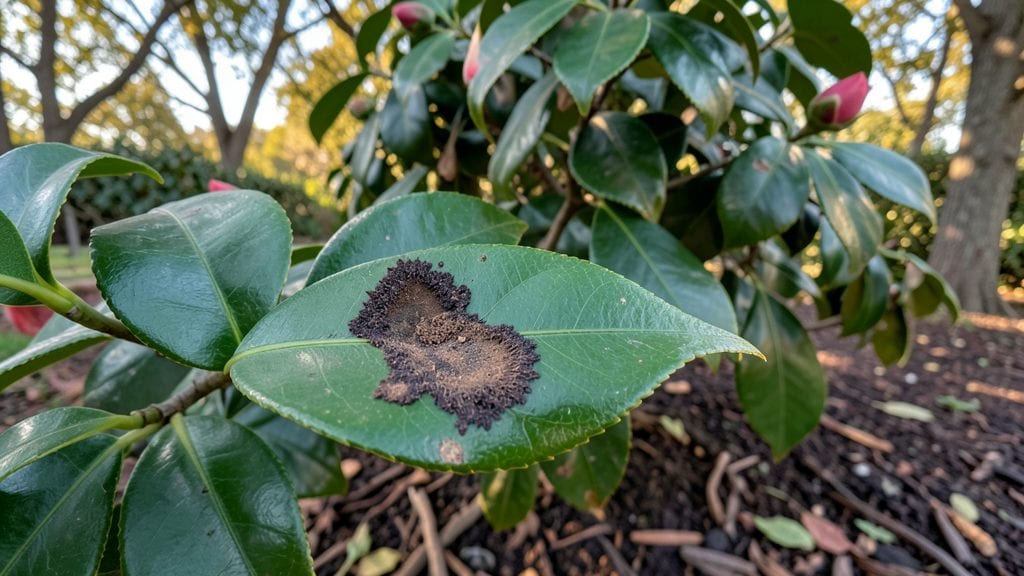
Camellia plant diseases can turn your prized shrubs into sad, wilted shadows if you don't catch them early. 🌿 I've battled petal blight and root rot myself, and the difference between a thriving camellia and one that looks like it's fighting for its life often comes down to knowing what to watch for—and what to do about it.
Most problems start with too much moisture or poor airflow, which is why I now space my camellias wider and avoid overhead watering. The key symptoms—yellowing leaves, dark spots on petals, or mushy stems—often show up after heavy rains or when the soil stays soggy for days.
Once you recognize these signs, you can act fast with simple fixes like pruning infected parts or adjusting your watering routine.
With the right approach, you can save even severely affected plants and keep new growth healthy. I’ve revived camellias that looked almost dead by switching to drip irrigation and adding a layer of mulch to protect the roots.
The results? Flowers that stay vibrant and a plant that thrives for years instead of struggling through seasons.
Whether you're dealing with fungal infections or bacterial spots, the solutions are straightforward once you understand the root cause. Let’s tackle this step by step so your camellias stay as stunning as the day you planted them.
Why it happens
Your camellias may look like the picture-perfect plants of Southern gardens—until they’re not. 🌿😬 Behind their glossy leaves and stunning blooms lurk unseen threats that turn vibrant foliage into a sad, spotted mess. But why do these diseases strike?
The answer lies in a mix of environmental stress, microbial invaders, and even our own gardening habits. Let’s break down the root causes of camellia diseases so you can protect your prized plants.
🌡️ Overly Wet or Humid Conditions
Camellias thrive in well-draining soil, but too much moisture—especially when combined with poor airflow—creates the perfect breeding ground for fungal pathogens like Phytophthora and Botrytis. Here’s why it happens:
- Stagnant water: Camellias hate soggy roots. If your soil doesn’t drain quickly (clay-heavy soils are notorious for this) or if you overwater, roots suffocate and become prime targets for root rot. 💦
- Fungal spores love humidity: Fungi like Botrytis (which causes gray mold) thrive in damp, shady spots. If your camellia sits under dense foliage or in a low-lying area where air doesn’t circulate, spores splash onto leaves and flowers, leading to infection.
- Rainy seasons: Prolonged wet weather keeps leaves damp for hours, weakening their protective waxy coating. This makes them vulnerable to anthracnose or petal blight, which turn petals into slimy, blackened messes.
Actionable fix: Improve drainage with compost or sand, space plants for airflow, and water at the base—not overhead—especially during blooming season.
🍄 Fungal Spores Hanging in the Air
Fungi are everywhere, but some camellia diseases—like Camellia anthracnose or leaf spot—are caused by spores that wait for the right moment to strike. Here’s how they exploit your plants:
- Dormant spores on old debris: Last year’s fallen leaves or spent blooms can harbor fungal spores. When conditions turn warm and wet, these spores wake up and infect fresh growth. 🍂
- Wind or splashing water spreads spores: A gust of wind or a sprinkler can hurl spores onto healthy leaves, starting infections. This is why leaf spot often appears in concentric rings.
- Stressed plants are easy targets: Nutrient deficiencies (like low nitrogen or magnesium) or physical damage (from pests or harsh pruning) weaken a camellia’s defenses, making it an open invitation for fungi.
Actionable fix: Clean up garden debris in fall, avoid overhead watering, and fertilize regularly to keep plants strong. A copper fungicide spray before rainy seasons can also deter spores.
🦠 Bacterial Invaders Hiding in Wounds
Unlike fungi, bacteria like Xanthomonas (which causes bacterial blight) don’t just float in the air—they need a way in. Here’s how they exploit your camellia:
- Pruning cuts or insect bites: A snip from shears or a nibble from a scale insect creates an open wound. Bacteria seep in and multiply, causing oozing lesions or wilting leaves. ⚔️
- Contaminated tools or hands: If you prune an infected camellia and then touch another without cleaning your tools, you’re spreading the bacteria like a garden germ bomb.
- Heavy rainfall after dry spells: Sudden downpours can wash bacteria from soil or nearby plants directly into leaf wounds, triggering outbreaks.
Actionable fix: Sterilize pruners with rubbing alcohol between cuts, avoid pruning during wet weather, and remove infected leaves immediately. Copper-based bactericides can help prevent spread.
🌡️ Extreme Temperature Swings
Camellias are tropical at heart, but they hate sudden temperature shifts—especially when combined with moisture. Here’s how it backfires:
- Cold nights + warm days = fungal feast: When temperatures dip below 50°F (10°C) at night but rise during the day, condensation forms on leaves. This dew-like layer traps heat and moisture, creating ideal conditions for powdery mildew or rust fungi. ❄️☀️
- Heat stress weakens defenses: Prolonged heatwaves (above 90°F/32°C) can scorch leaves, making them more susceptible to secondary infections.
- Frost damage opens doors: A late frost can kill leaf tissue, leaving behind dead spots where bacteria or fungi move in.
Actionable fix: Mulch around the base to regulate soil temps, choose shade-tolerant varieties for hot climates, and avoid overhead watering when nights are cool.
🌱 Poor Soil Health and Nutrient Imbalances
A camellia’s diet matters more than you think. When soil lacks key nutrients or becomes compacted, diseases move in like uninvited guests. Here’s how:
- Low nitrogen = weak growth: Nitrogen fuels leaf production. Without it, leaves become thin and easily torn by wind or rain—creating entry points for pathogens.
- Too much phosphorus = fungal buffet: Over-fertilizing with high-phosphorus blends can stress roots, making them more vulnerable to Phytophthora.
- Compacted or anaerobic soil: Heavy clay or packed soil cuts off oxygen to roots, leading to root rot. Fungi like Armillaria (a deadly root pathogen) thrive in these conditions.
Actionable fix: Test your soil annually and amend with organic matter (like peat moss or compost). Use a balanced fertilizer (e.g., 12-12-12) and avoid overdoing phosphorus.
How to Fix Camellia Ailments
Reviving your camellia’s health starts with targeted action—whether it’s fungal spots, bacterial blights, or pest invasions. Below, we map the most common causes to practical fixes, including quick remedies and long-term prevention. Think of this as your camellia’s first-aid kit, paired with smart habits to keep it thriving.
Fungi thrive in damp, shady conditions, so act fast to stop the spread.
🔥 Remove Infected Foliage Immediately
- How: Snip off yellowed, spotted, or mushy leaves with clean pruners (sterilize with rubbing alcohol).
- Why: Fungal spores spread via contact—removing the source stops contamination.
- Pro Tip: 💡 Bag and dispose of infected leaves in the trash (not compost).
Fungi can survive in yard waste!
🍳 Apply Fungicidal Sprays (Organic or Chemical)
| Disease | Recommended Treatment | Frequency |
|---|---|---|
| Brown Blight | Copper fungicide (e.g., Copper Soap) | Every 7–10 days, wet weather |
| Anthracnose | Neem oil or baking soda spray (1 tbsp/bsp water + drop of soap) | Weekly until cured |
| Root Rot | Stop watering! Repot in fresh, sterile potting mix with perlite. | Once (prevent recurrence) |
🌡️ Adjust Growing Conditions
- Improve airflow: Prune dense branches to let sunlight and air circulate.
- Water wisely: Water early in the day so leaves dry by evening.
Avoid overhead sprinklers. - Mulch properly: Use 2–3 inches of organic mulch (like pine bark) but keep it 6 inches away from the trunk to prevent moisture buildup.
Bacteria spread like wildfire—cleanliness is your best defense.
👨🍳 Prune and Sterilize Aggressively
- How: Cut out wilting stems, cankers, or oozing spots (bacterial ooze looks like gum or slime). Burn or trash infected parts—do not compost.
- Sterilize tools: Wipe pruners with 70% isopropyl alcohol between cuts.
🔪 Use Bactericidal Sprays
- Copper-based sprays (like Bonide Copper Fungicide) work on bacterial blight and leaf spot.
- Hydrogen peroxide spray (3% solution, 1:1 with water) can disinfect surfaces and stems.
- Apply in the morning on dry leaves for best absorption.
🚫 Prevent Cross-Contamination
- Wash hands after handling infected plants.
- Disinfect tools before moving to healthy camellias.
- Avoid overhead watering—bacteria hitchhike on water droplets.
Pests weaken plants, making them vulnerable to secondary infections.
🥘 Blast Off Pests with Natural Sprays
| Pest | DIY Solution | Frequency |
|---|---|---|
| Spider Mites | Neem oil spray (2 tbsp/gal water) | Every 5–7 days |
| Scale Insects | Soap spray (1 tbsp mild soap/quart water) | Weekly until gone |
| Camellia Borers | Burlap band traps around trunk + beneficial nematodes (for larvae) | Seasonal checks |
🔪 Manual Removal for Stubborn Infestations
- Scale insects: Scrape off with a soft toothbrush dipped in rubbing alcohol.
- Whiteflies: Knock them off with a strong stream of water, then spray neem oil.
- Borers: Drill out visible tunnels (use a ¼-inch bit) and fill with diatomaceous earth.
✨ Encourage Natural Predators
- Ladybugs, lacewings, and parasitic wasps love pests like mites and aphids.
- Plant companion flowers (like marigolds or alyssum) nearby to attract them.
The best cure? A healthy plant that fungi and bacteria can’t latch onto.
🌱 Cultural Practices That Work
- Prune for sunlight: Thin out branches to reduce humidity in the canopy.
- Test your soil: Camellias prefer acidic soil (pH 5.0–6.5).
Amend with sulfur or peat moss if needed. - Fertilize right: Use a balanced, slow-release fertilizer (like 8-8-8) in early spring. Avoid over-fertilizing—it stresses roots.
🌡️ Monitor and Act Early
- Inspect weekly for new spots, wilting, or sticky residue (honeydew = pests).
- Keep a plant journal to track outbreaks and adjust care.
🎯 Proactive Sprays (Preventative Care)
- Dormant oil spray (fall/winter) smothers overwintering pests and eggs.
- Neem oil (applied every 4–6 weeks) deters fungi and pests naturally.
Remember: 🌿 Consistency is key. A single treatment won’t cure deep-rooted issues—stay vigilant, and your camellia will bounce back stronger than ever.
Frequently asked questions about camellia plant diseases
What are the most common signs my camellia has a fungal infection?
Look for dark, greasy spots on leaves (like anthracnose), slimy black petals (petal blight), or powdery white coatings (powdery mildew). Fungal infections often appear after rainy weather or when leaves stay wet for long periods. Check the undersides of leaves first—they’re prime hiding spots for spores.
How can I tell if my camellia has bacterial blight instead of a fungal disease?
Bacterial blight causes water-soaked, yellow lesions that ooze a gum-like substance when pressed. Unlike fungi, bacterial spots often appear on new growth and spread rapidly in warm, humid conditions. If you see these symptoms, act fast—bacteria spread faster than fungi and can kill plants quickly.
Is it safe to use homemade remedies like baking soda spray for camellia diseases?
Yes! A baking soda spray (1 tbsp baking soda + 1/2 teaspoon mild soap per gallon of water) works well for anthracnose and powdery mildew. Spray both sides of leaves in the morning for best results. For bacterial issues, stick to copper-based sprays—baking soda won’t be as effective. Always test on a small area first.
Can I save a camellia with root rot? What should I do?
Early-stage root rot is treatable! First, stop watering immediately and let the soil dry out. Repot the plant in fresh, sterile potting mix with perlite to improve drainage. Prune any mushy, black roots and treat with a fungicide like copper soap. Avoid overwatering for at least 2-3 weeks—root rot thrives in soggy conditions.
Why do my camellia leaves keep getting yellow, even when I water and fertilize properly?
Yellowing leaves often signal nutrient deficiencies (like low nitrogen or magnesium) or overwatering. Check the soil pH—camellias prefer acidic soil (5.0–6.5). If the yellowing starts at the edges, it could be iron deficiency (chlorosis). Test your soil and adjust with chelated iron or sulfur if needed. Also, ensure proper drainage.