
Neem Oil
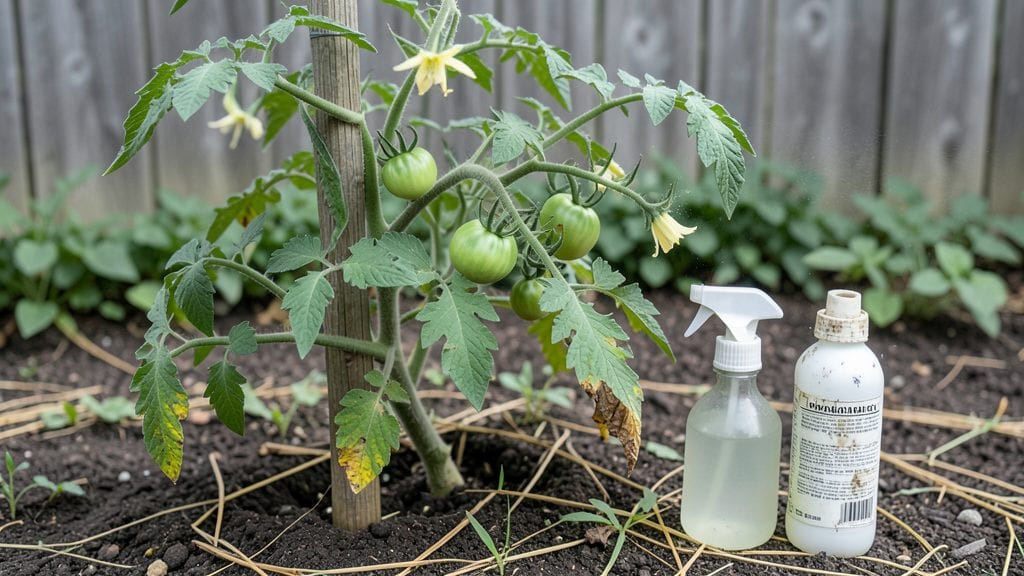
Yes, you can put neem oil on tomato plants as a natural pesticide and fungicide, but avoid spraying during flowering or fruiting to prevent harming pollinators and disrupting fruit development. Use diluted oil only in the evening or early morning for best results.
Neem oil works wonders for tomato gardens because its active compounds like azadirachtin disrupt insect feeding and reproduction while nimbin fights fungal spores. 🌱 The key is timing—applying it when pests are most active (like early morning dew) maximizes effectiveness without harming beneficial insects.
Many gardeners swear by it for preventing early blight and aphid infestations, but always test a small leaf area first to check for sensitivity. The oil's bitter taste deters pests while also creating a protective barrier on leaves.
For best results, mix 1 teaspoon of neem oil per quart of water with a mild soap (like Castile) to help it stick. Reapply every 7-14 days during active growing seasons, but stop applications 2-3 weeks before harvest to ensure residue-free fruit.
This organic approach keeps your tomatoes thriving while maintaining a balanced ecosystem in your garden.
💡 In This Article
- How Neem Oil Protects Tomato Plants from Pests and Fungi
- Best Practices for Applying Neem Oil to Tomatoes
How neem oil protects tomato plants from pests and fungi
Neem oil's power comes from its complex chemical profile, where azadirachtin (the most studied compound) acts like a biological disruptor. This limonoid compound interferes with insect hormones, particularly ecdysteroids that regulate molting and reproduction.
For tomato pests like aphids and whiteflies, azadirachtin prevents larvae from developing into adults, effectively breaking their life cycles within 7-10 days of exposure. The oil also contains salannin and nimbin, which have antifungal properties that inhibit spore germination in diseases like early blight (Alternaria solani).
What makes neem oil unique is its dual action: it works both as a contact pesticide and has some systemic properties when absorbed through leaves. The oil coats plant surfaces, creating a bitter, unpleasant taste that deters feeding pests like spider mites.
But more importantly, when applied to foliage, about 10-15% of the active compounds can be absorbed and translocated within the plant's vascular system, offering residual protection. This is why neem oil remains effective even after rain—unlike many synthetic pesticides that wash away immediately.
The effectiveness varies by pest type. Against aphids, neem oil shows 80-90% reduction in populations when applied consistently, while whiteflies (which are harder to control) see about 50-70% suppression due to their rapid reproduction cycles.
For fungal issues like early blight, the oil prevents spore attachment to leaf surfaces, reducing infection rates by up to 60% when used preventatively. The key is consistency—neem oil doesn't kill existing fungal growth but stops new infections from taking hold.
Temperature plays a crucial role in neem oil's performance. The active compounds work best between 60-85°F, which is why early morning or late evening applications are ideal—the cooler temps prevent rapid evaporation and allow better absorption.
In hotter conditions (above 90°F), the oil can break down faster, reducing effectiveness. The oil's viscosity also means it needs a surfactant (like mild soap) to spread evenly—without this, you risk missing 20-30% of leaf surface area where pests hide.
What most gardeners don't realize is how neem oil affects plant physiology beyond pest control. The oil triggers a mild stress response in plants, causing them to produce more phenolic compounds—natural defenses that make leaves less palatable to herbivores.
This is why you'll often see tomato plants treated with neem oil developing a slightly thicker cuticle over time. The downside?
Overuse can cause minor leaf burn, especially on sensitive varieties like 'Cherokee Purple', which is why the 1% dilution rate (1 tsp per quart) is recommended as a maximum.
For fungal diseases like early blight, neem oil's mechanism is particularly interesting. The oil disrupts the fungal cell membrane's permeability, causing spores to lose their ability to germinate. Studies show it can reduce early blight lesions by 40-50% when applied at the first signs of infection.
The oil also has a preventative half-life of about 7-10 days on leaf surfaces, meaning you get ongoing protection between applications. This makes it far more effective than copper sprays for organic growers, which only provide 2-3 days of protection per application.
When comparing neem oil to synthetic pesticides, its advantage lies in its selective toxicity. While it kills harmful insects, it's generally safe for beneficial predators like ladybugs and lacewings—though you should still avoid spraying during their active feeding periods.
The oil's broad-spectrum nature means it can also help manage secondary pests that move in after you've eliminated the primary infestation, creating a more balanced garden ecosystem over time. 🌿