
Plants
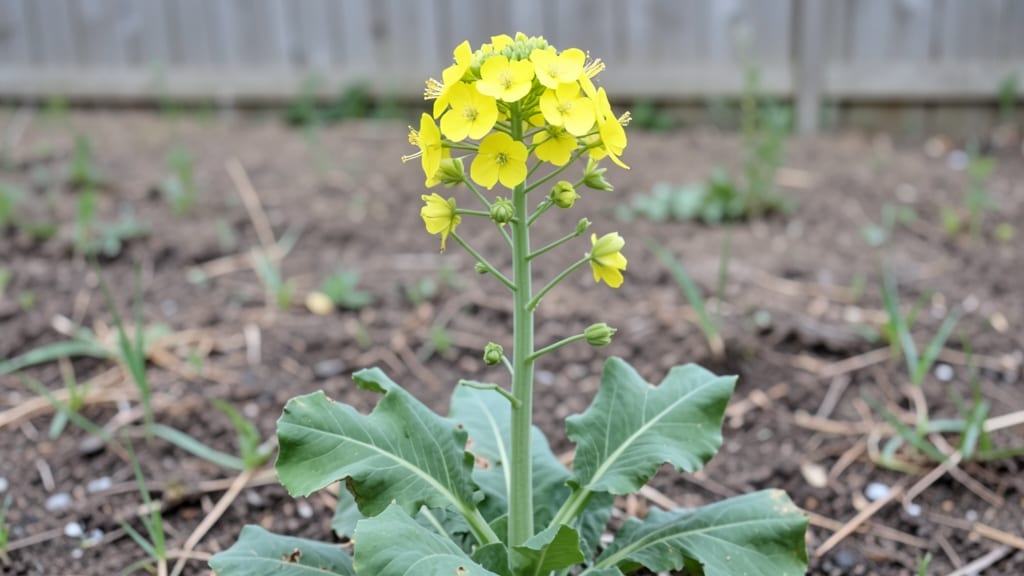
Canola plants images reveal the dramatic transformation from delicate seedlings with cotyledons to towering plants crowned with bright yellow blooms, followed by seed pods that mark the final growth stage. These visual milestones help gardeners and researchers track development and assess plant health.
Understanding these visual stages is key to recognizing when your plants need attention. 🌱 The early seedling phase shows tiny round leaves that quickly develop into the distinctive lobed leaves of mature canola, while flowering signals the plant's readiness to produce seeds.
I always recommend photographing each stage—it creates a helpful reference for future planting seasons and helps distinguish canola from similar-looking plants like mustard or rapeseed.
What makes these images especially useful is how they highlight growth patterns. For example, the transition from rosette stage to bolting (when the stem elongates rapidly) can happen in just 2-3 weeks under ideal conditions.
Capturing this progression helps you predict harvest timing or identify potential issues like nutrient deficiencies that might slow development.
💡 In This Article
- Identifying Canola Growth Stages Visually
- Best Photography Tips for Canola Plant Documentation
Identifying canola growth stages visually
Canola plants undergo five distinct visual transformations, each marked by dramatic changes in leaf structure, stem development, and flower formation. The journey begins with seedling emergence, where tiny cotyledons (seed leaves) appear first, followed by the first true leaves that are rounded and smooth-edged.
These early leaves typically measure about 1-2 centimeters wide and have a bright green hue that stands out against the soil.
The next phase, rosette formation, occurs roughly 3-4 weeks after germination when the plant develops a circular cluster of leaves close to the ground. At this stage, leaves become more lobed with jagged edges, resembling miniature versions of mature canola foliage.
The plant remains low to the ground (under 15 centimeters tall) while storing energy for the next growth surge. 🌱 This stage is crucial for distinguishing canola from weeds, as the leaf pattern becomes more distinct.
When bolting begins, the plant undergoes a rapid vertical transformation, shooting up to 30-60 centimeters in just 10-14 days under optimal conditions. The stem thickens noticeably, and the lower leaves may yellow as energy shifts upward.
This phase is visually dramatic, with the plant's center stem elongating while maintaining its rosette base. The transition from rosette to bolted plant is one of the most distinctive visual cues for identification.
Flowering marks the fourth stage, where the plant produces its signature bright yellow flowers arranged in dense clusters along the stem. Each flower measures about 2-3 millimeters wide and contains four petals that open sequentially from the bottom upward.
The flowering period typically lasts 2-3 weeks, during which the plant's height can reach 1-1.5 meters under ideal growing conditions. This vibrant yellow display makes canola plants easily recognizable in fields.
The final stage is pod development, where the flowers give way to seed pods that form along the stem. These pods start green and firm, gradually turning brown and papery as they mature. Each pod contains 8-12 seeds and measures about 2-3 centimeters long.
The pods' appearance signals the plant's readiness for harvest, typically occurring 4-6 weeks after flowering begins. 💛 This final stage is critical for determining the optimal harvest window.
Understanding these visual cues helps gardeners and researchers track plant health and development. For example, stunted growth during bolting might indicate nutrient deficiencies, while irregular flower patterns could signal disease. Documenting each stage through photography creates a valuable reference for future planting seasons and helps distinguish canola from similar crops.