
Pests
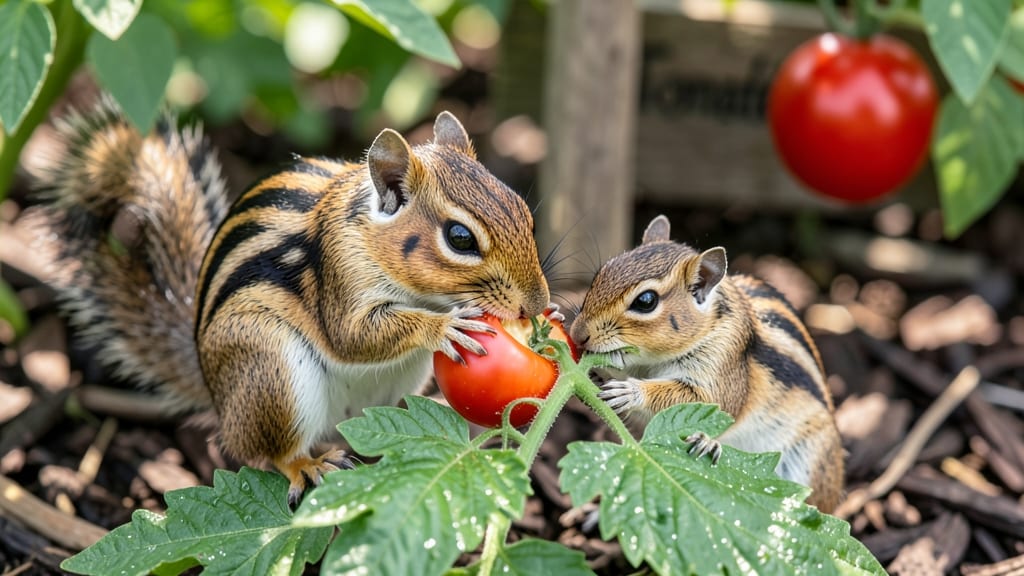
Watch your tomato plants get ravaged by chipmunks eating them—these striped thieves can turn a thriving vine into a skeleton in hours, until you outsmart their sweet tooth. exposed soil, loose mulch, and anything that looks like an easy snack.
The good news? A few simple barriers and habitat tweaks can turn your garden back into a chipmunk-free zone without harming your tomatoes or the local ecosystem.
My go-to solutions start with physical barriers like hardware cloth wrapped around young plants or buried around established ones—it’s invisible to chipmunks but stops them cold.
For organic deterrents, I’ve had the most luck with hot pepper spray (mix cayenne with water and a drop of dish soap) or even scattered coffee grounds around the base of plants.
The key is consistency: chipmunks are clever, so you need to make your garden less appealing than the woods next door.
What you’ll end up with is a tomato patch that stays lush and productive all season, with no more mysterious bite marks on your prized heirlooms. The best part? These methods work for other pests too—squirrels, voles, even rabbits get the message.
Once you’ve protected your plants, you’ll finally get to enjoy that first ripe tomato without wondering if it’s been pre-chewed.
This isn’t just about saving this year’s harvest—it’s about training chipmunks to leave your garden alone for good. Start with the barriers, then layer in deterrents, and soon you’ll have a foolproof system that keeps your tomatoes thriving while giving those striped pests somewhere else to snack.
Let’s get those plants growing!
The Real Culprits Behind Garden Raids
When your tomato plants become a chipmunk buffet, it’s not just bad luck—it’s a mix of biology, behavior, and environmental factors working against your garden. Understanding why these tiny striped bandits target your tomatoes is the first step to outsmarting them.
Let’s break down the science (and sneaky strategies) behind their plant-plundering habits.
Chipmunks aren’t picky eaters, but tomatoes have a few features that make them irresistible:
- Sweet, juicy fruit: Ripe tomatoes are packed with natural sugars and moisture—like nature’s candy. Chipmunks have a sweet tooth and can detect these flavors from a distance using their keen sense of smell (their noses are 10,000 times more sensitive than humans’!).
- Soft, easy-to-dig soil: Tomato plants often grow in loose, well-aerated soil, making it simple for chipmunks to burrow and access roots or unripe fruit. Unlike hard-packed ground, this invites them to snack without effort.
- High moisture content: Tomatoes are about 95% water, which is a rare treat for chipmunks. In dry conditions, they’ll prioritize hydrating snacks over seeds or insects.
Pro Tip: 🌡️ If your tomatoes ripen too fast in hot weather, chipmunks get a head start. Try shading plants slightly to slow ripening and reduce temptation.
Chipmunks don’t raid gardens out of malice—they’re just following their instincts for survival. Here’s how your landscape might be inviting them:
- Shelter and nesting sites: Chipmunks need dry, hidden spots to store food and raise young. Piles of mulch, leaf litter, or unsecured compost bins create perfect hideouts. If they’re already living near your tomato patch, your plants are convenient prey.
- Lack of predators: Cats, owls, and foxes keep chipmunk populations in check. If your yard lacks these natural deterrents, the population booms—and so does the tomato theft.
- Food scarcity elsewhere: If neighboring yards have fewer berries, seeds, or insects, chipmunks will wander farther, increasing the chance they’ll stumble upon your garden. Urban and suburban areas often see higher chipmunk activity because natural food sources are scarce.
Pro Tip: ✨ Remove brush piles, tall grass, and dense ground cover near your garden. Chipmunks thrive in clutter—keep their “hotels” far away from your tomatoes!
Chipmunks don’t eat tomatoes randomly—they time their raids for maximum efficiency. Here’s when your plants are most at risk:
| Growth Stage | Why Chipmunks Target It | Peak Risk Hours |
|---|---|---|
| Seedlings | Tender young shoots are easy to chew, and chipmunks may mistake them for weeds or insects. | Dawn and dusk (when they’re most active). |
| Flowering | Flowers attract pollinators (like bees), which also draw chipmunks hunting for insects. Plus, the scent of blossoms can lure them in. | Late afternoon (when bees are less active). |
| Ripe Fruit | Sugary, soft tomatoes are a high-calorie reward. Chipmunks cache (hide) extra tomatoes in underground burrows for later. | Early morning (before you’re up to notice!). |
Pro Tip: 🕰️ Monitor your garden during dawn and dusk—these are the golden hours for chipmunk activity. Set up motion-activated lights or cameras to catch them in the act!
Chipmunks are smart (they can remember where they hid food for months!) and social. If one chipmunk discovers your tomatoes, others will follow:
- Trial and error: A lone chipmunk might nibble a tomato by accident, then return when it realizes it’s delicious. Their memory ensures they’ll lead the pack back to your garden.
- Scent marking: Chipmunks leave pheromone trails to signal food sources to others. Once one finds your tomatoes, the whole colony gets the memo.
- Seasonal hunger: In late summer and early fall, chipmunks cache food for winter. Ripe tomatoes become a must-have stash item.
Pro Tip: 🔥 If you spot multiple bite marks or tiny claw scratches on your plants, it’s a sign the whole neighborhood knows about your tomato buffet. Act fast!
Stopping Garden Invaders Naturally
Now that you understand why chipmunks are feasting on your tomato plants, it’s time to take action! The good news? There are effective, humane, and budget-friendly ways to protect your harvest without resorting to harsh chemicals.
Below, we’ll break down solutions by the root cause of the problem—whether it’s attraction, access, or habitat—so you can tackle the issue head-on.
Chipmunks often target tomato plants because they’re easy snacks—ripe, juicy, and low to the ground. To make your garden less tempting:
🔥 Block the Buffet with These Tricks
- Harvest Ripe Tomatoes Promptly 🍅
- Pick tomatoes as soon as they ripen (or turn slightly pink).
Overripe fruit sitting on the vine is a chipmunk magnet. - Pro Tip: Stake plants to keep fruits off the ground—chipmunks are less likely to climb.
- Use Physical Barriers Early 🛡️
- Tomato cages or wire mesh (1/4-inch hardware cloth) around plants prevent digging and climbing.
- Collapsible hoop houses (covered with lightweight fabric) work well for small gardens.
- Distract with Fake Food 🎣
- Place pet-safe, chipmunk-proof snacks (like sunflower seeds or cracked corn) far from your garden to lure them away.
- Warning: Avoid peanuts—some chipmunks can be allergic!
Chipmunks are master excavators, and if they’ve already started tunneling near your plants, you’ll need to cut off their access.
🔪 Fortify the Soil Like a Moat
- Install Buried Barriers 🏗️
- Bury hardware cloth (1/4-inch mesh) 12–18 inches deep around the perimeter of your garden. Chipmunks can’t dig through it!
- Pro Tip: Bend the top edge outward to stop them from climbing over.
- Add Gravel or Rocks 🪨
- Sprinkle coarse gravel or crushed stone around the base of plants—chipmunks dislike the texture and will avoid it.
- Use Repellent Plants 🌿
- Plant daffodils, marigolds, or alliums near tomatoes. Their strong scents naturally repel chipmunks.
If chipmunks are settling in under decks, sheds, or dense shrubs, they’ll keep returning. Remove their hiding spots to discourage visits.
🏗️ Chipmunk-Proof Your Yard
- Clear Brush Piles & Debris 🪓
- Chipmunks love nesting in leaf litter, wood piles, and thick mulch. Keep these areas tidy and dry.
- Pro Tip: Store firewood elevated and off the ground—this also deters rodents.
- Seal Gaps in Structures 🔒
- Check sheds, decks, and garages for small holes (chipmunks can squeeze through gaps as tiny as 1.5 inches).
- Use steel wool + caulk or hardware cloth to seal entries.
- Install Motion-Activated Sprinklers 💦
- Devices like ScareCrow or Orbit Enforcer spray water when they sense movement—harmless but effective!
Once you’ve dealt with the immediate problem, keep chipmunks away for good with these low-maintenance strategies:
| Method | How It Works | Ease of Use | Cost |
|---|---|---|---|
| Capsaicin Spray | Mild chili pepper spray deters chewing. | Moderate | $10–$15 |
| Essential Oil Spray | Mix peppermint or citrus oil + water in a spray bottle. Reapply after rain. | Easy | $5–$10 |
| Ultrasonic Repellents | High-frequency sound waves annoy pests. | Easy (but may need batteries) | $20–$40 |
| Decoy Predators | Place plastic owls or snakes near plants (move them weekly to stay effective). | Very Easy | $5–$15 |
💡 Final Pro Tip: Combine multiple methods for best results. For example: ✅ Harvest tomatoes daily + bury hardware cloth + plant marigolds = chipmunk-free zone!
By addressing attraction, access, and habitat, you’ll not only save your tomato plants but also keep your garden thriving—without harming these adorable (but pesky) critters. 🚜🌱
Frequently asked questions about striped garden bandits
Why do chipmunks suddenly target my tomato plants when they ignored them last year?
Chipmunks are opportunistic foragers, and their behavior shifts with food availability. Last year’s drought or fewer berries in nearby wild areas may have forced them to seek out your garden. They’re also smarter than you think—they remember successful food sources and mark trails with scent to recruit others. If one chipmunk found your tomatoes last summer, the whole colony now knows about your buffet!
Will hardware cloth buried around my garden really work, or will they just dig elsewhere?
Hardware cloth is 100% effective when installed correctly! The key is burying it 12–18 inches deep and bending the top edge outward—this prevents them from climbing over. Chipmunks can’t dig through it, and they won’t bother trying if they can’t access your plants. For extra security, extend the barrier 1–2 feet beyond your garden’s edge to block their entry points completely.
Are pepper sprays safe for my tomato plants if I use them to deter chipmunks?
Yes, but choose food-safe formulations! A mix of cayenne pepper, dish soap, and water (1 tbsp cayenne + 1 tsp soap per quart of water) is harmless to plants when used as directed. Avoid commercial rodent repellents containing toxic chemicals. Reapply after rain, and test a small leaf area first to confirm your tomatoes tolerate the spray.
How can I tell if chipmunks are the real culprits—or is it squirrels or rabbits?
Look for these telltale signs: Chipmunks leave tiny, precise bite marks (vs. larger chunks from squirrels) and often dig shallow holes around plants. Their claw marks are small and delicate, while rabbits leave clean, 45-degree angle bites near the ground. Check for burrow entrances (2–3 inch holes) near your tomatoes—chipmunks tunnel to cache stolen fruit!
Can I relocate chipmunks instead of trying to scare them away?
Relocation is tricky and often ineffective—chipmunks have excellent homing instincts and will find their way back. If you must try, use a live trap (check local laws first!) and release them at least 5 miles away in a wooded area. For humane solutions, focus on making your garden less appealing. Chipmunks are better off staying wild than becoming dependent on human food sources.