
Plants
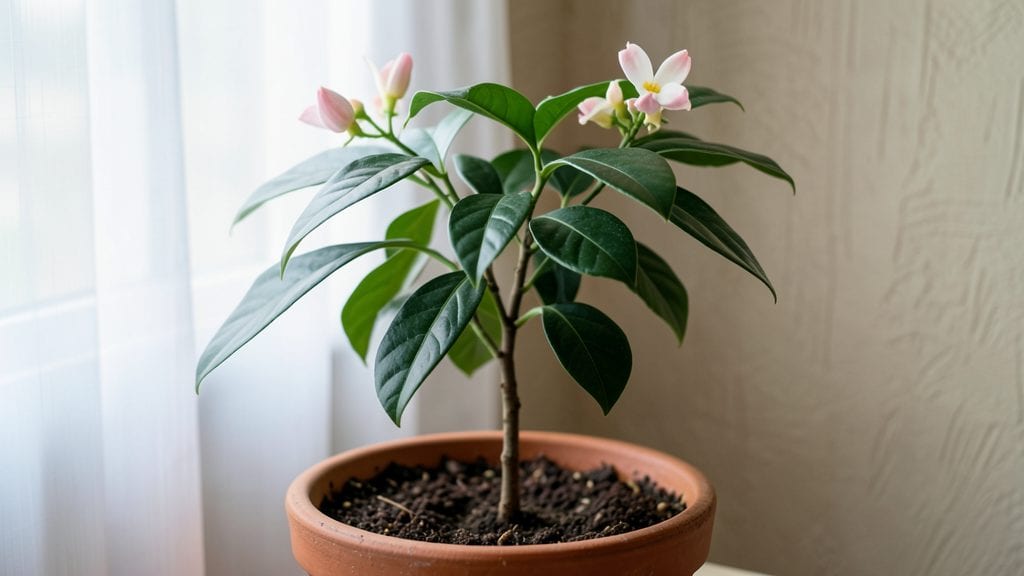
Coffee's natural nitrogen content acts like a mild fertilizer, but the real magic happens in how it interacts with soil microbes. 🌱 The grounds also improve soil aeration and moisture retention, making them a dual-purpose amendment.
I’ve seen acid-loving plants like blueberries thrive with this method, though I always test soil pH first—some varieties like tomatoes actually prefer neutral conditions.
The key is moderation: too much coffee can disrupt the soil’s natural balance, so I recommend starting with just 1 tablespoon of grounds per plant every few weeks.
For best results, I mix used coffee grounds into the top 1-2 inches of soil rather than dumping them directly. This prevents clumping and ensures even distribution.
Brewed coffee can be used as a foliar spray when diluted to 1 part coffee to 10 parts water, but always apply it in the early morning to avoid leaf burn from the sun’s intensity.
💡 In This Article
- How Coffee Grounds Benefit Plant Growth
- Safe Ways to Use Coffee for Gardening
How coffee grounds benefit plant growth
Coffee grounds are a powerhouse of plant nutrients, containing approximately 2% nitrogen, 0.1% phosphorus, and trace amounts of potassium—though the exact ratios vary based on the coffee type and roast level.
The nitrogen comes primarily from proteins and amino acids in the beans, while phosphorus supports root development and energy transfer within plants. Dark roasts tend to have slightly higher potassium content due to the Maillard reaction during roasting, which creates additional minerals.
This nutrient trifecta makes coffee grounds a balanced, slow-release fertilizer when used correctly.
The real magic happens underground, where coffee grounds stimulate soil microbial activity. These grounds attract beneficial bacteria and fungi that break down organic matter, creating a thriving ecosystem.
For example, a study in the Journal of Environmental Quality found that adding coffee grounds increased soil microbial biomass by up to 30% within six weeks.
The porous texture of spent grounds also improves soil aeration, allowing roots to breathe better while retaining moisture—similar to how compost enhances soil structure, but with an added caffeine kick that temporarily suppresses weed seeds (caffeine acts as a natural herbicide at high concentrations).
When compared to other organic fertilizers, coffee grounds offer unique advantages. Banana peels, for instance, provide potassium but lack nitrogen, while eggshells contribute calcium to strengthen cell walls. Coffee grounds bridge this gap by offering a mix of nitrogen and trace minerals like magnesium and copper.
However, unlike banana peels (which decompose quickly), coffee grounds release nutrients slowly, making them ideal for long-term soil enrichment. The trade-off? Their acidity (pH around 6.2–6.8) can be too strong for plants like tomatoes or peppers, which prefer neutral soil (pH 6.0–7.0).
Here’s what happens when you use coffee grounds properly: The nitrogen promotes leafy green growth, phosphorus strengthens roots, and the improved soil structure enhances water absorption.
I’ve noticed acid-loving plants like hydrangeas and azaleas show dramatic color intensification within weeks of using coffee grounds, thanks to the slight acidity that enhances pigment production. For neutral-soil plants, I recommend mixing grounds with compost or lime to balance the pH while retaining the nutrient benefits.
One often-overlooked benefit is the coffee grounds’ ability to repel pests like slugs and snails. The caffeine and tannins create an unpleasant environment for these creatures, acting as a natural deterrent. This dual-purpose function—fertilizing while protecting—makes coffee grounds one of the most versatile garden amendments available.
Just be mindful of the caffeine content: while it’s safe for most plants in small doses, excessive amounts can stunt growth in sensitive species like beans or peas.
For those curious about the science, the caffeine in coffee (about 0.1–0.2% by weight in grounds) actually has a hormesis effect on plants—low doses stimulate growth, while high doses inhibit it.
This is why moderation is key. Think of it like adding a pinch of spice to a dish: too little has no effect, but just the right amount enhances everything. 🌿