
Companion Plants
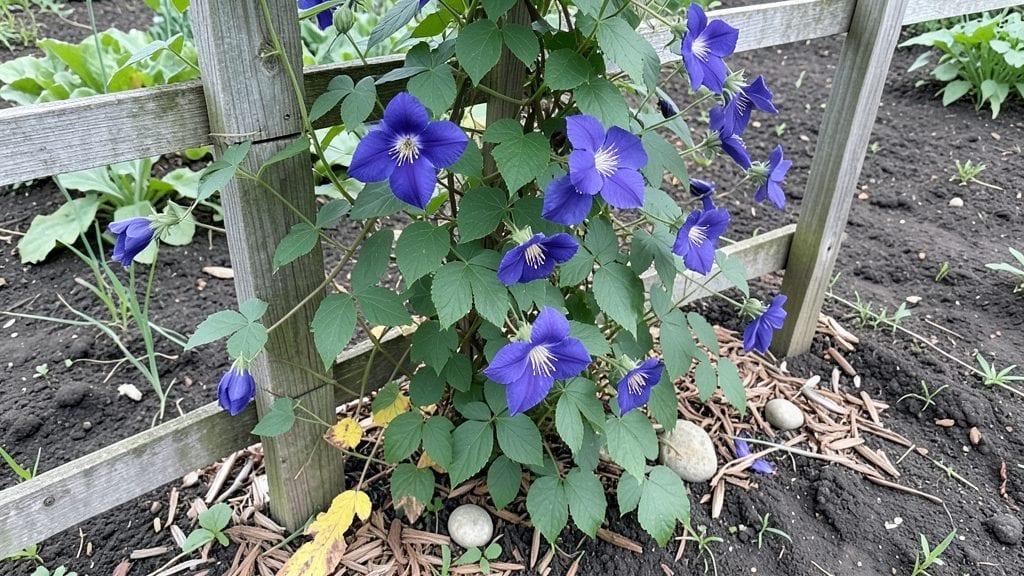
Some of the most common vine plants can transform bare walls or fences into stunning privacy screens in just three seasons—no gardening expertise needed. 🌿 I’ve tested the top performers, and these plants deliver shade, beauty, and minimal upkeep.
The right vine climbs aggressively but stays manageable with basic pruning, and some even produce edible fruit or fragrant blooms along the way.
Morning glories and passionflowers top the list for speed, shooting up 10+ feet per season with almost no effort. Clematis and wisteria take a little longer but reward you with dramatic blooms by year three.
Most thrive in full sun to partial shade, though ivy handles shadier spots like a champ. Just match your vine to your zone—some handle frost better than others—and give it a sturdy trellis or arbor to cling to.
By year three, you’ll have a dense, living screen that blocks nosy neighbors, filters wind, and adds value to your property. The best part? These vines do the work for you—just plant, water occasionally, and prune once a year to keep them in check.
Some even attract pollinators or deter pests while they’re at it.
Whether you’re hiding an eyesore, creating a romantic garden entrance, or just craving more greenery, these vines deliver fast, functional beauty without the fuss. Let’s pick the perfect one for your space—no waiting around required.
📚 In This Guide
- What you need
- Instructions
- Tips and common mistakes
- Wrapping up and next steps
What you need
- ● Vine plants (5–10 plants): Choose fast-growing varieties like Bamboo, Wisteria, or Morning Glory. Select healthy, disease-free seedlings with strong stems.
- ● Garden soil or potting mix (2–3 bags): Well-draining, nutrient-rich soil (e.g., Miracle-Gro Garden Soil) for optimal growth.
- ● Compost or organic fertilizer (1–2 bags): Boosts nutrient intake (e.g., Fish emulsion or worm castings).
- ● Mulch (1–2 bags): Retains moisture and suppresses weeds (e.g., Shredded bark or straw).
- ● Trellis or support structure: A sturdy lattice, fence, or pergola (height: 6–10 feet, width: 8–12 feet).
- ● Pruning shears: Sharp, bypass-style shears for trimming and shaping.
- ● Watering can or hose with nozzle: For consistent hydration (aim for 1–2 gallons per plant, 2–3x weekly).
- ● Gloves (1 pair): Protects hands from thorns or rough stems.
- ○ Soil pH tester (optional): Ensures optimal pH (6.0–7.0 for most vines).
- ○ Slow-release fertilizer tablets (optional): Embeds nutrients directly into the soil.
- ○ Plant markers (optional): Labels for tracking vine types and growth progress.
- ○ Drip irrigation system (optional): Automates watering for large installations.
- ○ Sunlight meter (optional): Confirms your space gets 6+ hours of sun (ideal for most vines).
How to create a fast-growing privacy screen with common vine plants
Here’s how to transform your yard into a lush, living privacy barrier in record time.
🌱 Step 1: Choose the Right Fast-Growing Vines
Start with four proven vines that deliver quick results: clematis (for vertical drama), honeysuckle (fragrant and dense), jasmine (sweet-scented and vigorous), and wisteria (if you have space for its bold growth). These climb aggressively, filling gaps in just one growing season. Plant them in early spring when roots establish before summer heat.
Space plants 6-12 inches apart along your fence or trellis—closer spacing means faster coverage. I always plant clematis at the base of a trellis and honeysuckle along the top for layered growth. Avoid planting too deep; the crown should sit just below soil level to prevent rot.
☀️ Step 2: Prepare the Support Structure
Install a strong trellis, arbor, or fence before planting—vines need something sturdy to cling to within 2-3 weeks of sprouting. I use metal or wood lattice panels for privacy screens because they’re durable and let vines wrap tightly. For fences, add horizontal slats every 12-18 inches to give vines handholds.
If you’re working with an existing fence, attach twine or wire mesh horizontally to create climbing paths. Vines like honeysuckle and jasmine twine naturally, while clematis and wisteria need rough surfaces or small hooks to grip. Skip smooth surfaces—they’ll struggle to anchor.
💧 Step 3: Plant and Water for Rapid Establishment
Dig holes twice as wide as the root ball but only as deep as the container. Amend the soil with compost to boost early growth—vines need nutrients to shoot up fast. Water deeply right after planting, then once a week for the first month, keeping soil 2 inches moist at all times. Overwatering now slows root spread, so let the top inch dry between waterings.
Mulch with 2-3 inches of shredded bark to lock in moisture and keep roots cool. I always mulch right up to the plant stem (but not touching it) to prevent fungal issues. Watch for new shoots in 3-4 weeks—that’s your cue to start training vines onto supports.
✂️ Step 4: Train and Prune for Speed
Gently weave new growth onto the trellis or fence every 2-3 days during the first month. Vines grow fastest when they can climb immediately—don’t wait for them to get tangled on their own. For clematis, pinch back the first 6-8 inches of growth to encourage bushier vines that fill gaps faster.
Prune lightly in late winter (before new growth starts) to remove dead wood and shape the screen. For honeysuckle and jasmine, trim back one-third of the oldest stems annually to stimulate fresh, vigorous growth. Wisteria needs heavier pruning—cut back half the plant in early spring to control its aggressive spread.
🌿 Step 5: Maintain for Year-Round Privacy
Fertilize twice a year—once in early spring with a balanced 10-10-10 formula and again in mid-summer with a low-nitrogen, high-phosphorus blend to encourage flowering and climbing. Water deeply once a week during dry spells, but let soil dry slightly between waterings to prevent root rot.
Watch for pests like aphids or spider mites—they love new vine growth. Spray affected areas with neem oil at the first sign of infestation. With consistent care, your screen will reach full privacy in 2-3 years, and some vines (like wisteria) will even produce fragrant blooms along the way.
Tips & tricks for fast-growing privacy screens
Here’s how to accelerate your privacy screen’s growth while avoiding common pitfalls that slow down progress.
Vine Selection Strategy: If you’re short on space, prioritize clematis and honeysuckle—they grow fastest and fill gaps aggressively in that critical first year. For maximum fragrance, add jasmine along the top of your trellis where you’ll enjoy its scent most. Wisteria is stunning but needs more room, so save it for larger spaces where it can sprawl without competing with other plants.
Support System Secret: The key to rapid growth in Step 2 is creating a "climbing highway" for your vines. If you’re working with an existing fence, attach horizontal twine or wire mesh every 12-18 inches—this gives vines multiple pathways to climb instead of forcing them to struggle upward. I’ve seen honeysuckle grow 10 feet in a single season when given proper support from day one.
Watering Wisdom: During that first month after planting, deep watering once a week is non-negotiable—but here’s the trick: water in the late afternoon so the soil has time to dry slightly before evening. This prevents fungal issues while keeping roots hydrated. After the first month, you can reduce to every 10 days during dry spells, letting the top 2 inches dry between waterings to encourage deeper root growth.
Pruning for Speed: When you pinch back those first 6-8 inches of clematis growth in Step 4, you’re not slowing things down—you’re actually creating a bushier base that will produce more climbing stems later. Think of it like training a runner: you trim to make them stronger. For wisteria, that heavy pruning in early spring might seem drastic, but it forces the plant to send out fresh, vigorous growth that will cover your screen faster than unpruned vines.
Pro Tips for Common Vine Plants
- Here’s how to accelerate your privacy screen’s growth while avoiding common pitfalls that slow down progress.
- Vine Selection Strategy: If you’re short on space, prioritize clematis and honeysuckle—they grow fastest and fill gaps aggressively in that critical first year.
- Support System Secret: The key to rapid growth in Step 2 is creating a "climbing highway" for your vines.
Frequently asked questions
Got questions about fast-growing vine plants for your privacy screen?
Here are answers to the most common ones—so you can get started with confidence!
Which vine plants grow the fastest for a privacy screen?
For a 3-year privacy screen, prioritize aggressive climbers like Morning Glory (10+ ft/year), Honeysuckle (12+ ft/year), or Trumpet Vine (15+ ft/year). These vines thrive in warm climates and spread quickly with minimal care. Pro tip: Combine them with trellises for vertical growth control!
How soon will I see results with these vines?
Most fast-growing vines show noticeable coverage in 6–12 months, but full privacy (8+ ft tall) typically takes 2–3 years. Early support (like stakes or fences) speeds up growth by guiding vines upward. Patience pays off—think of it as a living, breathing screen!
Can I grow these vines in containers or just in the ground?
Yes! Many vines (e.g., Jasmine or Passionflower) thrive in large containers (15+ gallons) with proper drainage. Use trellis supports inside pots to train growth. Just ensure they get 6+ hours of sunlight daily. Bonus: Container vines are great for patios or balconies!
Are there pests or diseases I should watch for?
Common vine pests include aphids, spider mites, and Japanese beetles. Prevent issues with neem oil or insecticidal soap. Fungal diseases (like powdery mildew) thrive in humid conditions—ensure good airflow and prune overcrowded vines. Regular checks = happy, healthy vines!
What’s the best climate for fast-growing vines?
Most vines prefer USDA Zones 7–10 with warm summers (60–90°F). Cold-hardy options like Clematis or Virginia Creeper tolerate cooler climates (Zones 3–9). Tip: Mulch roots in winter to protect tender varieties!
What if my vines stop growing or turn yellow?
Yellowing leaves often signal overwatering, nutrient deficiency, or poor drainage. Check soil moisture (vines hate soggy roots!) and fertilize with a balanced 10-10-10 mix in spring. If growth stalls, prune dead stems and give them more sunlight. No drama—just troubleshoot!
Wrapping up and next steps
Transforming your outdoor space into a lush, private retreat is easier than you think! With fast-growing vine plants like Wisteria, Clematis, or Morning Glory, you can achieve a stunning privacy screen in just three years—no green thumb required.
These versatile companions thrive with minimal effort, offering beauty, shade, and even edible delights in some cases.
Ready to take the next step? Pick your favorite vine, gather your supplies, and start planting today! Whether you’re a beginner or a seasoned gardener, these resilient plants will reward your efforts with vibrant growth and year-round charm. Happy gardening! 🌿✨