
Planting
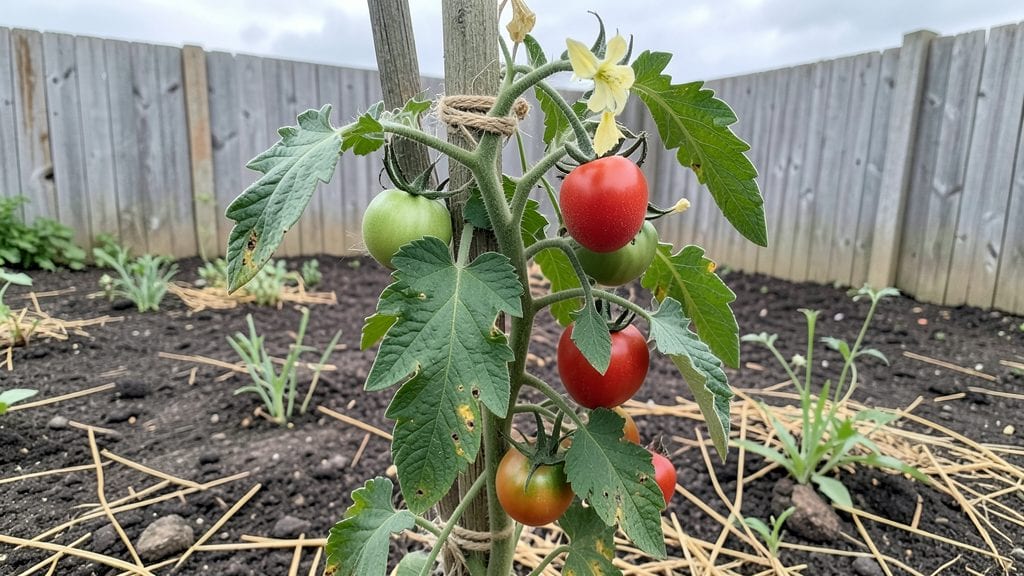
Growing a cordon tomato plant like the Blue Dream variety transforms a small space into a steady harvest machine. I've trained mine along a simple trellis for three years now, and each season delivers more tomatoes than I know what to do with—especially when pruned just three times.
The key isn't complicated: it's about guiding that single main stem upward while controlling side growth at the right moments.
These plants thrive in 6-8 hours of sunlight daily and well-draining soil mixed with compost. My first mistake? Overcrowding them—I learned the hard way that 18-24 inches between plants gives roots room to breathe, and that sturdy 5-6 foot tall trellis prevents breakage when vines get heavy.
The real work happens in the pruning, but once you master the rhythm, it becomes almost meditative.
By summer's end, you'll be harvesting dozens of deep blue-purple tomatoes that burst with flavor, not the mealy store-bought varieties. The secret lies in consistent watering at the base (never the leaves) and a balanced fertilizer routine—too much nitrogen sends energy to leaves instead of fruit.
When done right, these plants keep producing until frost, giving you fresh tomatoes long after most gardens have given up.
This method works equally well in containers or garden beds, and the same principles apply to other cordon varieties like 'Black Krim' or 'Sungold.' The only difference? The flavor. Let's get those vines climbing and those tomatoes ripening—your taste buds will thank you.
📚 In This Guide
- What you need
- Instructions
- Tips and common mistakes
- Wrapping up and next steps
What you need
- ● Cordon Blue Tomato Seeds or Seedlings: 1–2 plants (check seed packets for spacing—these need ~18–24" apart).
- ● Containers or Garden Bed: Containers: 5-gallon pots or larger (1 per plant; ensure drainage holes).
- ● Garden Bed: Well-draining soil, 6" deep minimum, with full sun (6+ hours/day).
- ● Potting Mix: 1 bag (1–2 cubic feet) of high-quality, organic potting mix (avoid garden soil—it compacts!).
- ● Fertilizer: Balanced Fertilizer: 10-10-10 or 5-5-5 (follow package rates for seedlings vs. mature plants).
- ○ Tomato-Specific Feed: Optional but helpful (e.g., fish emulsion or compost tea).
- ● Support System: Stakes: 6–8 ft bamboo or wooden stakes (1 per plant).
- ● Trellis: Alternatively, a sturdy wire trellis or cage (ensure it’s tall enough for 6+ ft growth!).
- ● Pruning Tools: Pruners: Sharp, clean bypass pruners (sterilize with rubbing alcohol between cuts).
- ● Garden Gloves: 1 pair (to protect from thorns and dirt).
- ● Watering Supplies: Watering Can or Hose: With a gentle spray nozzle (avoid wetting leaves to prevent disease).
- ○ Drip Irrigation Kit: Optional for automated watering (great for busy gardeners!).
- ● Mulch: Straw or shredded leaves (1–2" layer) to retain moisture and suppress weeds.
- ● Plant Ties: Soft Velcro or cloth strips to secure vines to stakes (prevents snapping in wind).
- ● Grow Lights: If starting indoors (LED full-spectrum lights, 12–16 hrs/day).
- ● Compost: Homemade or store-bought (mix 1–2 cups per plant at planting time).
- ● Pest Control: Neem oil spray (for early pest prevention).
- ● Row covers (to deter insects like hornworms).
Simple instructions for training a cordon blue tomato plant
Mastering this technique guarantees bushy growth and heavy fruit production with minimal effort.
Select and Prepare Your Plant
Start with a healthy Cordon Blue tomato plant that has at least 4-5 main stems (trunks). Choose a sturdy stake—5-6 feet tall—and plant it beside your tomato at the same time. The stake should be 1 inch in diameter so it won’t bend under the plant’s weight. I always drive it 6 inches deep into the soil for stability.
If you’re working with an existing plant, gently loosen the soil around the base to encourage root growth. This gives the plant a stronger foundation for the training process ahead. Avoid disturbing the roots too much—just enough to help them spread wider as the plant grows.
Tie the Main Stem to the Stake
Use soft plant ties (not wire or harsh materials) to secure the main stem to the stake. Start at the base and tie it loosely—tight enough to hold but loose enough to allow growth. As the plant grows, you’ll need to add more ties every 12-18 inches up the stake. I like to use cotton or fabric ties because they stretch slightly as the stem thickens.
Here’s the key: never tie directly to the stem. Always wrap the tie around both the stem and the stake to prevent damage. If the stem outgrows the tie, replace it with a fresh one. You’ll see the stem grow straighter and stronger as you guide it upward—this is how you build a sturdy framework for fruit production.
Prune Side Shoots for Bushier Growth
Once your plant reaches about 2 feet tall, start checking for side shoots (small stems that grow between the main stem and leaves). These shoots compete with your plant for energy, so you’ll need to remove them. Use clean, sharp pruning shears to snip them off just above a leaf node—never leave a stub. This encourages the plant to focus its energy on the main stem and fruit production.
I prune side shoots every 2-3 days during the growing season. You’ll notice the plant thickens and develops more leaves along the main stem. This is how you create a bushy, productive cordon—the more leaves, the more fruit your plant can support. Keep an eye out for flower clusters too; these should be left intact to develop into tomatoes.
Train and Secure the Plant as It Grows
As your plant climbs the stake, continue tying it every 12-18 inches to keep it upright. The goal is to guide the main stem along the stake while removing all side shoots below the first flower cluster. This ensures the plant puts all its energy into producing fruit rather than unnecessary growth. You’ll see the plant grow taller and stronger with each passing week.
When the plant reaches the top of the stake, stop training upward. Instead, let the remaining growth spread outward to create a bushy canopy. This helps the plant support its own weight and maximizes sunlight exposure for the leaves. If the plant starts to sag, add a second stake for support—just tie it loosely to avoid damaging the stem.
Maintain and Harvest for Year-Round Production
Throughout the growing season, keep pruning side shoots and tying the main stem as needed. Water the plant deeply once a week, ensuring the soil stays moist but not soggy. You’ll know it’s time to water when the top inch of soil feels dry. Fertilize every 4-6 weeks with a balanced tomato fertilizer to keep the plant healthy and productive.
Harvest tomatoes when they’re fully colored and slightly soft to the touch. This ensures the best flavor and encourages the plant to keep producing. With proper training, your Cordon Blue tomato plant will yield heavy, consistent harvests all season long. The key is patience and consistency—stick with the process, and you’ll enjoy a bountiful garden.
Tips & tricks for perfect cordon blue tomato training
These simple techniques will help you transform your Cordon Blue tomato plant into a productive powerhouse with minimal effort.
Stake Stability is Everything: When planting your 5-6 foot stake 6 inches deep, use a small hammer to tap it firmly into the ground. This prevents wobbling, which can stress the plant as it grows. I like to add a second stake later if the plant starts to lean—just tie it loosely to avoid damaging the stem. The deeper and more stable your stake, the straighter your plant will grow without needing constant adjustments.
Tie Like a Pro: In Step 2, when you're tying the main stem to the stake every 12-18 inches, remember that these ties aren't permanent. They should be loose enough to allow the stem to thicken naturally. I've learned the hard way that tight ties can actually strangle the plant as it grows. Use cotton or fabric ties—they stretch as the stem thickens, preventing damage. Replace any ties that start to feel too tight or show signs of fraying.
Pruning Precision: When you begin pruning side shoots at the 2-foot mark, focus on removing them just above a leaf node. This small detail makes a huge difference in how the plant responds. I always use clean, sharp pruning shears to make clean cuts—never leave stubs, as they can attract disease. The goal is to encourage the plant to direct all its energy upward and outward, creating that bushy, productive cordon shape we're after.
Harvesting Strategy: The key to year-round production is consistent harvesting. When tomatoes reach full color and are slightly soft to the touch, they're ready. I've found that harvesting regularly actually stimulates more fruit production. Don't wait until tomatoes are overripe—this can signal the plant to stop producing. A good rule of thumb is to harvest every 2-3 days during peak season to keep your plant motivated to keep growing.
Pro Tips for Cordon Tomato Plant
- These simple techniques will help you transform your Cordon Blue tomato plant into a productive powerhouse with minimal effort.
- Stake Stability is Everything: When planting your 5-6 foot stake 6 inches deep, use a small hammer to tap it firmly into the ground.
- Tie Like a Pro: In Step 2, when you're tying the main stem to the stake every 12-18 inches, remember that these ties aren't permanent.
Frequently asked questions
Got questions about cordon tomato plants?
You’re not alone! Here are answers to the most common queries to help you grow like a pro—no guesswork required.
What’s the difference between a cordon tomato and a bush tomato?
A cordon tomato grows vertically on a single main stem (like a vine), while a bush tomato has multiple stems and branches. Cordons need staking or trellising and regular pruning (like your recipe suggests), while bush varieties are more self-sufficient. Choose cordons for space-saving and easier harvesting!
When should I start pruning my cordon tomato plant?
Begin pruning when your plant is about 12–18 inches tall and has 3–4 sets of true leaves. Remove suckers (side shoots) early to encourage upward growth. For year-round harvests, trim aggressively in early spring and lightly in fall to balance growth and fruit production.
How do I know which suckers to remove?
Suckers grow in the V-shaped junction between the main stem and a branch. Only remove suckers below the first flower cluster—leave those above to support fruit. Use your fingers or clean pruners for a quick pinch. Pro tip: If a sucker is smaller than a pencil, it’s safe to snip!
Can I grow cordon tomatoes indoors or in containers?
Use a 5-gallon container with drainage holes and a sturdy trellis. Place near a south-facing window or under grow lights (14–16 hours/day). Dwarf cordon varieties like ‘Tiny Tim’ or ‘Micro Tom’ thrive in pots. Just keep soil moist and fertilize weekly for best results.
Why are my cordon tomato leaves turning yellow?
Yellow leaves often signal overwatering, nutrient deficiency, or disease. Check soil moisture—it should be damp but not soggy. Yellowing at the bottom? Likely overwatering. Yellowing with brown spots? Early blight—remove affected leaves and space plants for airflow. Feed with balanced fertilizer (10-10-10) if leaves are pale.
How do I extend my harvest season with cordon tomatoes?
For year-round harvests, use season extension tricks: Start seeds indoors 8–10 weeks before last frost, use row covers in early spring/fall, and prune lightly in winter to redirect energy. Choose determinate varieties for cooler months—they fruit faster!
Wrapping up and next steps
Mastering the cordon tomato plant technique is your ticket to a bountiful, year-round harvest—with just three simple trims! By pruning strategically, you’ll boost fruit production, improve airflow, and keep your plants thriving.
Whether you’re a gardening newbie or a seasoned pro, this method makes growing tomatoes effortless and rewarding.
Ready to level up your garden game? Grab your pruners, pick a sunny spot, and start training your cordon tomato plants today. Your future salads (and bragging rights) are waiting! 🌱✨