
Picking
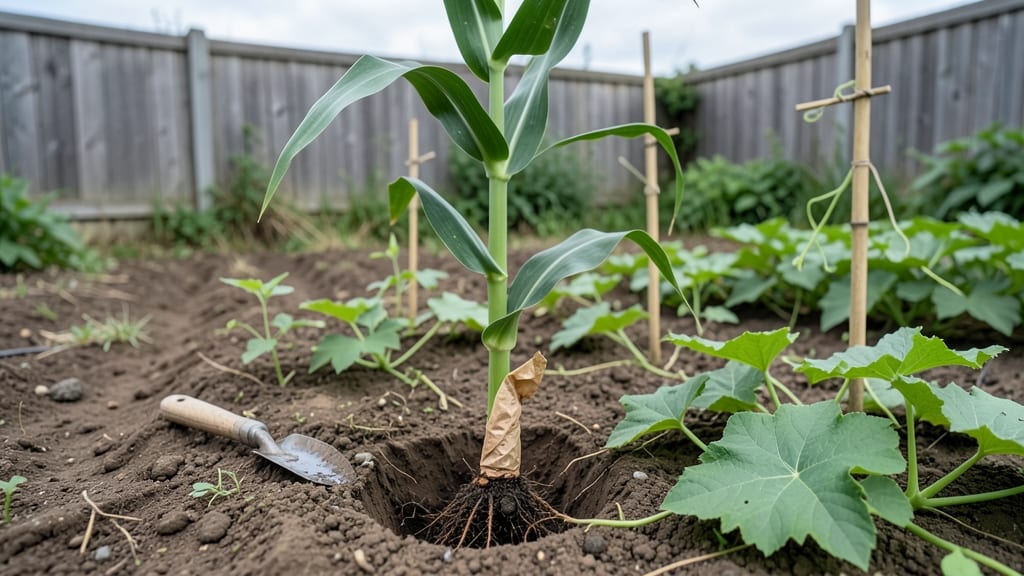
Planting corn, beans, and squash together isn’t just gardening—it’s a centuries-old partnership that feeds the soil while feeding your table. 🌱 The Three Sisters method works because each plant supports the others: corn stalks climb, beans fix nitrogen, and squash leaves smother weeds.
My first attempt last summer produced the most vibrant ears and lush vines I’d ever seen.
The magic starts with soil: mix in compost until it’s rich and crumbly, then plant corn first in 12-inch rows, 12 inches apart. After corn sprouts, tuck beans between stalks—no need for extra fertilizer, thanks to their nitrogen-fixing roots.
Squash goes on the outside, its broad leaves shading the soil and keeping moisture in.
By midsummer, you’ll have corn taller than your knees, beans climbing happily, and squash vines spreading like a living mulch. The harvest isn’t just bountiful—it’s disease-resistant and pest-deterring, with fewer weeds than in separate rows. Plus, the flavor? Nothing beats homegrown.
Works in most warm climates (zones 4-10) with proper timing—wait until soil hits 60°F before planting. Even small spaces can handle this trio if you use trellises for corn. Let’s grow it the old-fashioned way.
📚 In This Guide
- What you need
- Instructions
- Tips and common mistakes
- Wrapping up and next steps
What you need
- ● Corn seeds: 4–6 seeds per hill (or 12–18 seeds per 4-foot row). Choose heirloom or open-pollinated varieties like 'Golden Bantam' or 'Country Gentleman' for best results.
- ● Pole beans: 4–6 seeds per hill (or 6–8 seeds per 4-foot row). Opt for climbing varieties like 'Kentucky Wonder' or 'Scarlet Runner' (they’ll hug the corn stalks!).
- ● Squash seeds: 2–3 seeds per mound (or 3–4 seeds per 4-foot row). Pick bush varieties like 'Butternut' or 'Zucchini' for easier harvesting.
- ● Garden trowel (for digging small holes).
- ● Hand cultivator or hoe (to loosen soil and remove weeds).
- ● Watering can or hose with a gentle spray nozzle (avoid blasting seeds!).
- ● Garden gloves (to protect your hands from thorns or rough soil).
- ● Measuring tape or ruler (for spacing plants 12–18 inches apart).
- ○ Optional: Row marker or stakes (to guide planting patterns).
- ● Well-draining, fertile soil (aim for a pH of 6.0–7.0).
- ● Compost or aged manure (1–2 inches mixed into the top 6–8 inches of soil).
- ● Balanced fertilizer (5-5-5 or 10-10-10) (sprinkle lightly at planting time, following package instructions).
- ● Mulch (straw or grass clippings) (to retain moisture and suppress weeds).
- ● A sunny location with 6+ hours of direct sunlight daily.
- ● Space for a 3–4 foot wide row (or individual hills spaced 3–4 feet apart).
- ● Patience! The Three Sisters take time—corn grows first (60–90 days), followed by beans (50–60 days), and squash (45–60 days).
- ○ Optional: Trellis or stakes (if growing pole beans vertically to save space).
Step-by-Step instructions for planting the Three Sisters garden
This traditional method creates a thriving ecosystem where each plant supports the others.
🌱 Step 1: Prepare the Planting Hill
Choose a sunny spot with well-draining soil that receives 6-8 hours of sunlight daily. Clear the area of weeds and debris, then mound the soil into a 12-inch tall, 2-foot wide hill using the 4 cubic feet of garden soil. This elevated bed improves drainage and warms the soil faster in spring.
Work in a handful of compost into the top 6 inches of the mound to feed your plants. The hill shape also helps retain moisture, which is critical for the squash vines that will sprawl across it. I like to form a gentle slope on one side—this makes it easier to plant the beans later.
🌿 Step 2: Plant the Corn First
Place 4 corn seeds at the top of the mound, about 1 inch deep and 4 inches apart. Space them evenly along the length of the hill. Corn is the foundation of this trio, so give it room to grow. The strong stalks will later provide trellis support for the beans.
Cover the seeds lightly with soil and water gently to settle everything. Corn needs consistent moisture, especially during germination. You'll see sprouts in 7-14 days—wait until they're 4-6 inches tall before planting the beans. This gives the corn roots time to establish before the beans start climbing.
💧 Step 3: Add Beans Along the Corn Stalks
When your corn reaches 4-6 inches, plant 8 bush bean seeds on the sunny side of each corn stalk, about 2 inches from the corn and 1 inch deep. The beans will naturally twine up the cornstalks as they grow. This arrangement mimics how Native American gardeners created living trellises, saving space and improving yields.
Water the beans gently after planting—they need steady moisture but hate soggy soil. You'll notice the first true leaves appear in 10-14 days. Here's the thing: beans fix nitrogen in the soil, which feeds the corn and squash. This natural fertilizer means you won't need extra nitrogen supplements for these plants.
☀️ Step 4: Plant Squash at the Base
After the beans are 2-3 inches tall, plant 2 squash seeds at the base of the mound, about 1 inch deep and 12 inches apart. Squash vines will spread outward, shading the soil to prevent weeds while conserving moisture. The large leaves also create a living mulch that keeps roots cool.
Water the squash well after planting—it needs consistent moisture, especially as the vines grow. You'll see the first true leaves in 7-10 days. The squash acts as a living mulch, protecting the soil from erosion and keeping it cool. This is why the Three Sisters work so well together—the squash's broad leaves create shade, the beans add nitrogen, and the corn provides structure.
⏰ Step 5: Maintain the Garden Through the Season
Water the entire mound at the base 1-2 times per week, aiming for 1 inch of water per week. The hill shape helps distribute moisture evenly to all three plants. Mulch with 2 inches of straw or leaves around the base to retain moisture and suppress weeds.
Watch for pests—corn earworms and squash bugs are common. I handpick them in the morning when they're sluggish. The beans will start flowering in 6-8 weeks, followed by corn tassels and squash blossoms. Harvest beans when pods are firm and 4-6 inches long, corn when silks turn brown, and squash when rinds are hard.
Tips & tricks for perfect Three Sisters garden planting
A few simple strategies will help you create a thriving Three Sisters garden that works together like nature intended.
Sunlight Secret: The 6-8 hours of sunlight mentioned in Step 1 is critical—this is the sweet spot for all three plants to thrive. If your garden gets less than 6 hours, consider planting in containers that can be moved to follow the sun throughout the day. I've seen dramatic differences in yield when plants get their full sun requirement.
Planting Precision: In Step 2, when planting the 4 corn seeds, make sure they're perfectly straight—this creates a strong framework for the beans to climb later. I like to use a small stick or pencil to make tiny holes for each seed, then cover lightly with soil. This ensures consistent depth and spacing, which is crucial for even growth.
Companion Planting Tip: The beans planted in Step 3 should go on the sunny side of each corn stalk—this is where they'll get the most light as they grow upward. I've found that planting them slightly closer to the corn (about 1.5 inches instead of 2) gives them extra support as they climb, especially in windy conditions.
Soil Preparation: Don't skip the compost in Step 1! Work it into the top 6 inches of your mound—this is where most of the roots will grow. I like to add a handful of worm castings too (optional) for extra nutrients. The compost helps create that perfect balance of moisture retention and drainage that all three plants need to thrive.
Pro Tips for Corn Beans Squash Planting
- A few simple strategies will help you create a thriving Three Sisters garden that works together like nature intended.
- Sunlight Secret: The 6-8 hours of sunlight mentioned in Step 1 is critical—this is the sweet spot for all three plants to thrive.
- Planting Precision: In Step 2, when planting the 4 corn seeds, make sure they're perfectly straight—this creates a strong framework for the beans to climb later.
Frequently asked questions
When is the best time to plant corn, beans, and squash together?
The Three Sisters thrive when planted simultaneously or within a 2-week window after the last frost. Corn should be the first in the ground (as soon as soil warms to 60°F+), followed by beans 1–2 weeks later. Squash goes in last, after corn sprouts but before it gets too tall (to avoid shading). Pro tip: Use a soil thermometer to time it perfectly!
How long does it take for the Three Sisters to mature?
Timelines vary by variety, but here’s a general guide:
- Corn: 60–120 days (harvest when silks turn brown).
- Beans: 50–70 days (pick when pods are firm and vibrant).
- Squash: 45–100 days (harvest before seeds harden).
Plant fast-maturing varieties if you have a short growing season!
What pests should I watch for, and how do I prevent them?
Each plant has its own foes:
- Corn: Corn earworms (use row covers or handpick eggs).
- Beans: Mexican bean beetles (spray with neem oil or introduce ladybugs).
- Squash: Squash bugs (crush eggs or use diatomaceous earth).
Interplanting with nasturtiums deters squash bugs naturally!
Can I grow the Three Sisters in containers or small spaces?
Use large pots (5+ gallons) or raised beds for squash (vining types need space), while bush beans and short corn varieties (like ‘Golden Bantam’) adapt well. Dwarf or semi-dwarf squash (e.g., ‘Eight Ball’) are container-friendly. Just ensure pots have drainage and support trellises for beans if needed.
What if my beans don’t climb the corn? Can I still get a harvest?
No worries! Beans can grow without corn support—they’ll sprawl or climb other structures (like trellises or even nearby fences). If using pole beans, tie them to stakes early. Bush beans don’t need support at all. The key is consistent watering to keep them productive!
Wrapping up and next steps
Growing the Three Sisters—corn, beans, and squash— together isn’t just a tradition; it’s a sustainable, rewarding way to cultivate a thriving garden! 🌱 By following these steps, you’ll create a mutually beneficial ecosystem that saves space, deters pests, and boosts yields.
Whether you’re a beginner or a seasoned gardener, this method proves that harmony in the garden is just a few seeds away.
Ready to plant your own Three Sisters garden? Start by gathering your materials, picking the right varieties, and marking your planting dates. Then, roll up your sleeves and watch your garden flourish—one row at a time! Happy planting! 🌿