Pruning
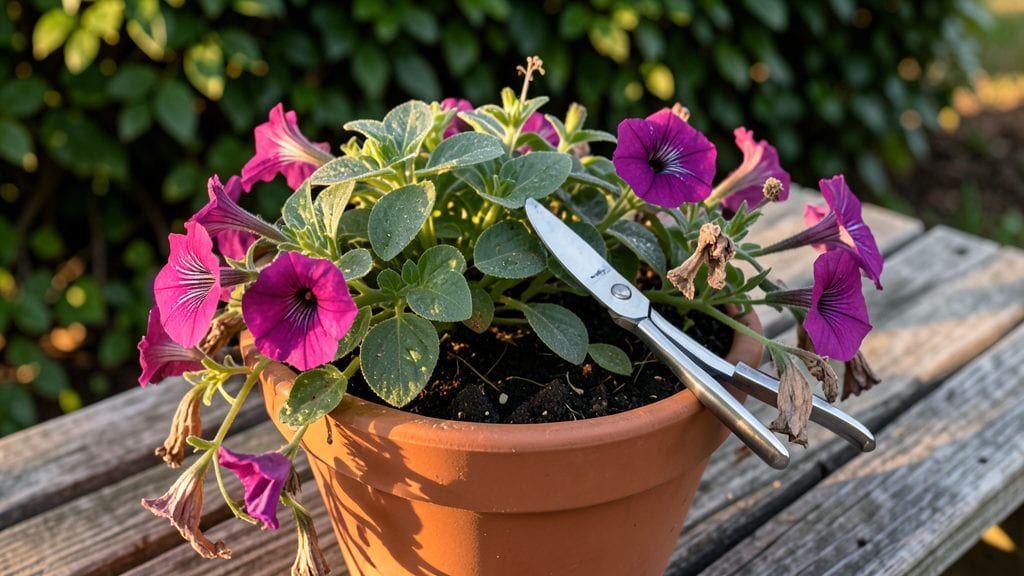
Deadheading plants in October isn’t just about tidying up—it’s about giving your garden a second wind when the air turns crisp. 🌿 I’ve seen late-season blooms stretch into November after a quick trim, and the difference between a spent plant and one that keeps flowering is just a pair of shears.
This isn’t just for show; it’s about redirecting energy so your plants store nutrients for next year.
The right plants respond best: cosmos, zinnias, and asters love a little encouragement, while perennials like coneflowers and black-eyed Susans will thank you for the extra care. Just avoid deadheading frost-sensitive annuals—they’re already calling it quits.
Grab sharp pruners or clean scissors, and work on dry days when the plants are firm, not soggy from morning dew.
You’ll end up with a garden that stays vibrant longer, even as temperatures drop. The blooms won’t be as bold, but they’ll keep coming, and your plants will go into dormancy stronger.
Plus, fewer spent flowers mean fewer pests hiding in the debris. It’s the last hurrah before winter, and it makes all the difference.
Works for most climates, though in warmer zones, you might push it into November. Just skip anything already browning from frost—nature’s way of saying, “I’m done.” Focus on what’s still green and holding strong, and you’ll have a garden that feels alive right up until the first hard freeze.
📚 In This Guide
- What you need
- Instructions
- Tips and common mistakes
- Wrapping up and next steps
What you need
- ● Pruning shears: Sharp, bypass-style shears (for clean cuts on stems up to ¼-inch thick). Quantity: 1 pair.
- ● Hand pruners: For smaller stems or delicate blooms (ergonomic grip recommended). Quantity: 1 pair.
- ● Gloves: Garden gloves with reinforced palms (to protect from thorns or rough stems). Quantity: 1 pair.
- ○ Gardening knife: Optional but handy for precision cuts (serrated blade for tougher stems). Quantity: 1.
- ● Trash bag or bucket: For collecting spent blooms and debris (10-gallon capacity recommended).
- ○ Disinfectant (optional): Rubbing alcohol (70%+) or diluted bleach solution (to sterilize tools between cuts).
- ● Knee pads: For comfort during longer sessions (gel-filled for extra cushioning).
- ● Know your plants: Identify which plants benefit from deadheading (e.g., annuals, perennials like coneflowers or black-eyed Susans).
- ● Check the weather: Choose a dry, mild day (avoid deadheading before rain or frost).
- ● Timing: Deadhead in the morning (when plants are hydrated and cuts heal faster).
Instructions for deadheading plants in October
Keep your garden vibrant until frost with these simple steps to encourage late-season blooms.
✂️ Step 1: Identify Plants Ready for Deadheading
Focus on plants that still produce flowers in fall, like chrysanthemums, asters, and late-blooming roses. Look for spent blooms that have lost their color or started to wilt—they’ll be the easiest to spot among fresh, vibrant flowers. Avoid deadheading perennials that have already finished their natural cycle, like peonies or spring bulbs.
Here’s the thing—don’t cut back into old, woody stems. Always leave at least 1-2 inches of healthy growth above a leaf node or bud. This ensures the plant has energy reserves to store for next season. I like to work in the morning when blooms are still crisp, making it easier to distinguish healthy from spent flowers.
✂️ Step 2: Use the Right Tools for Clean Cuts
Grab your sharp pruning shears or clean, sharp scissors—dull tools crush stems and invite disease. Make cuts at a 45-degree angle, about ¼ inch above a leaf node or outward-facing bud. This angled cut helps water run off the stem instead of pooling and rotting.
For delicate flowers like asters, pinch off spent blooms by hand instead of cutting. This prevents accidental damage to the stem. I always wipe my tools with rubbing alcohol between plants to avoid spreading fungal spores. If you’re working with roses, remove entire spent flower clusters, including the small seed pod that forms afterward.
✂️ Step 3: Deadhead Strategically for Late Blooms
Cut back just enough to remove the faded bloom but leave the plant’s energy focused on new growth. For example, with chrysanthemums, trim back to the nearest set of healthy leaves—this encourages side shoots that will produce more flowers. With asters, snip off only the dead flower head, leaving the green stem intact.
Real talk: Over-pruning in October can stress plants, so be gentle. You’ll see new buds forming within 1-2 weeks if you’ve cut at the right spots. Watch for fresh green growth at the base of stems—this is your signal that the plant is responding well. Avoid deadheading woody shrubs like hydrangeas unless they’re still producing flowers, as they need time to harden off for winter.
✂️ Step 4: Clean Up and Prepare for Winter
After deadheading, remove all spent blooms and debris from the garden bed. This prevents pests and diseases from overwintering. I like to compost healthy plant material, but avoid composting anything that looks diseased or infested. Once you’ve finished, give the area a light mulch—2-3 inches of shredded leaves or straw—to insulate roots and retain moisture.
Don’t skip this step. A clean garden bed reduces next year’s workload and protects your plants from winter damage. If you’re in a colder climate, wait until the first frost to cut back perennials completely. This gives them time to store energy for spring regrowth. For tender perennials like salvia or lavender, move pots to a sheltered spot before hard frosts hit.
Tips & tricks for perfect late-season deadheading
These simple strategies will help you extend your garden's beauty while keeping plants healthy through fall's final weeks.
Timing Secret: Morning is the best time to deadhead in October. The cool temperatures and crisp air make it easier to distinguish between healthy and spent blooms. I've found that working just a few hours after sunrise gives me the clearest light to spot faded flowers on chrysanthemums and asters—those are the plants you want to focus on for late-season blooms.
Tool Technique: For delicate flowers like asters, I've learned to pinch off spent blooms by hand rather than cutting. This prevents accidental damage to the tender stems. When using pruning shears, always make your cuts at a 45-degree angle about ¼ inch above a leaf node—this angled cut helps water run off the stem instead of pooling and causing rot. Don't forget to wipe your tools with rubbing alcohol between plants to prevent spreading fungal spores.
Plant-Specific Strategy: Different plants require different approaches. For chrysanthemums, cut back to the nearest set of healthy leaves to encourage side shoots that will produce more flowers. With roses, remove the entire spent flower cluster including the small seed pod that forms afterward. This prevents the plant from wasting energy on seed production when it could be focusing on new growth.
Seasonal Wisdom: Avoid deadheading woody shrubs like hydrangeas unless they're still producing flowers. These plants need time to harden off for winter. Instead, focus on perennials that are still blooming like late-season roses or asters. The key is to leave at least 1-2 inches of healthy growth above a leaf node or bud—this ensures the plant has energy reserves to store for next season.
Pro Tips for Deadheading Plants October
- These simple strategies will help you extend your garden's beauty while keeping plants healthy through fall's final weeks.
- Timing Secret: Morning is the best time to deadhead in October.
- Tool Technique: For delicate flowers like asters, I've learned to pinch off spent blooms by hand rather than cutting.
Frequently asked questions
Got questions about deadheading in October?
You’re not alone! Here are answers to the most common queries—so you can keep your garden thriving until the first frost.
Why should I deadhead in October instead of waiting for spring?
Deadheading in October removes spent blooms, redirecting energy toward root growth and next year’s flowers. It also prevents unwanted self-seeding and keeps plants looking tidy. For perennials, this late-season trim helps harden them off for winter.
Is it too late to deadhead in October?
Not at all! October is a great time to deadhead most perennials (like coneflowers, black-eyed Susans, and daylilies) before they go dormant. Avoid deadheading annuals or frost-sensitive plants—like impatiens—once temperatures drop below 50°F (10°C).
What’s the best way to deadhead woody shrubs like roses or hydrangeas?
For roses, trim back to the first five-leaflet leaf or a healthy bud. For hydrangeas, cut stems just above a set of leaves or a strong bud. Avoid heavy pruning—save major cuts for late winter. Always use clean, sharp shears to prevent disease.
Can I compost deadheaded flowers?
Yes! Most deadheaded blooms (like petunias, zinnias, or marigolds) can go straight into your compost bin. Avoid composting diseased plants—burn or trash them instead. If you’re unsure, toss them in a mulch pile to break down safely.
What if I miss deadheading before frost?
Don’t stress! If frost hits before you can deadhead, simply cut back the entire plant in early spring. Focus on cleaning up debris to reduce pests and diseases. Next year, plan to deadhead through October for a head start.
Wrapping up and next steps
Deadheading plants in October isn’t just about tidying up—it’s your secret weapon for prolonging beauty and preparing gardens for winter. By removing spent blooms, you encourage new growth, protect plants from pests, and even boost next year’s flowers.
Think of it as a gift to your garden—a little effort now means a burst of color well into fall! 🌸
Ready to take action? Grab your pruners and start with just one plant—you’ll be amazed at the difference a few minutes can make. Happy gardening! 🌿