
Companion Plants
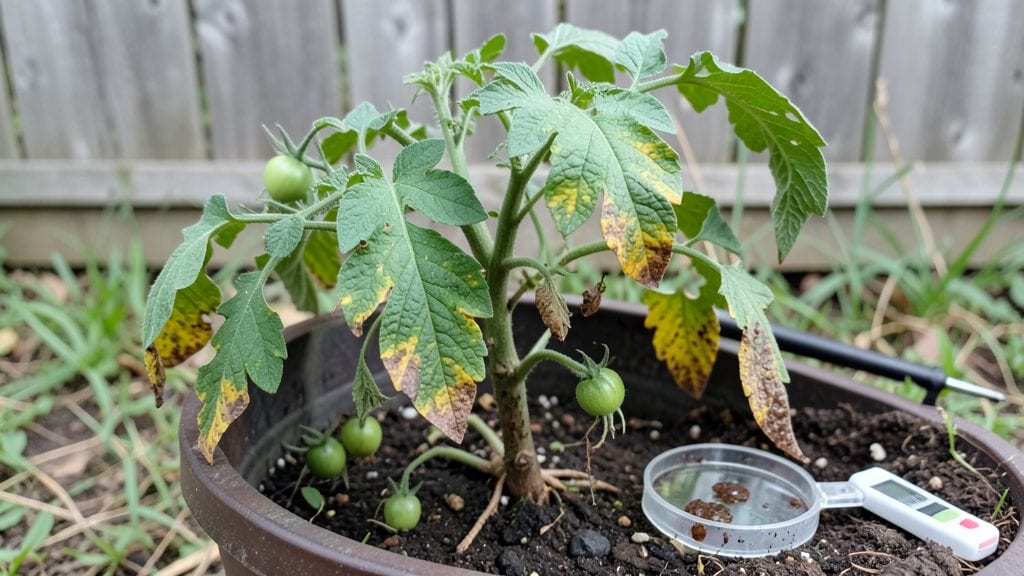
Diagnosing sick plants starts with the right questions—because every brown leaf or wilted stem tells a story, and I’ve learned to read them after watching my own collection go from thriving to tragic. 🌱 The key isn’t guessing; it’s matching symptoms like leaf spots or mushy stems to the actual problem, whether it’s overwatering, fungus, or pests hiding in plain sight.
Most gardeners panic when they see trouble, but the real frustration comes from treating the wrong issue—like spraying fungicide on a plant that’s actually thirsty.
I’ll walk you through the simple checks that reveal whether your plant needs more light, less water, or a targeted fix for root rot or powdery mildew. No degree in botany required.
By the end, you’ll spot the difference between harmless stress and a full-blown crisis, and know exactly how to act—whether that’s trimming damaged leaves, adjusting your watering schedule, or introducing a natural predator for those pesky aphids. Your plants won’t just survive; they’ll bounce back stronger.
This works for houseplants, container gardens, and even your backyard perennials—no matter where the problem shows up. Let’s turn those sad symptoms into a clear plan of action.
Root Causes Of Plant Decline
Sick plants don’t just happen—they’re the result of a mix of environmental stressors, biological attacks, and human mistakes. Understanding why your greenery is struggling is the first step to saving it.
Below, we break down the core reasons your plants develop leaf spots, root rot, or other distress signals, backed by science and actionable insights.
Plants need water, but too much is a fast track to root rot and fungal infections. Here’s why it happens:
- Poor Drainage: Pots without drainage holes or compacted soil trap excess water, cutting off oxygen to roots. Science note: Roots rely on aerobic (oxygen-rich) conditions to function—waterlogged soil forces them into anaerobic respiration, producing toxic ethanol and hydrogen sulfide. - Overzealous Watering: Many gardeners assume "more is better," but most plants (especially succulents, herbs, and tropicals) prefer dry spells between waterings.
A simple test: Stick your finger 1–2 inches into the soil—if it’s damp, wait. - Fungal Feasts: Excess moisture creates the perfect breeding ground for pathogens like Phytophthora and Pythium, which thrive in soggy conditions and cause root rot or leaf spots.
💡 Pro Tip: Use moisture meters or the "squeeze test" (gently compress soil—if it crumbles, it’s dry enough).
Leaf spots, wilting, and mushy stems often signal pathogenic invaders.
These microbes exploit weak plants, spreading via: - Spores in the Air: Fungi like Alternaria or Septoria hitch rides on wind, water, or tools. Example: Downy mildew (Peronospora) thrives in humid conditions, creating fuzzy white patches on undersides of leaves. - Wounded Tissues: Pruning cuts, insect bites, or even hail damage create entry points for bacteria (Xanthomonas, Pseudomonas) or fungi. - Crowded Conditions: Poor airflow (e.g., dense foliage or overpotted plants) traps moisture, accelerating spore germination.
⚠️ Warning Signs:
- Yellow/brown spots with halos (fungal).
- Water-soaked lesions that ooze (bacterial).
- White, black, or orange mold (early-stage infections).
Insects and mites don’t just nibble—they transmit diseases and stress plants, making them vulnerable to secondary infections.
Common culprits: - Aphids & Whiteflies: Pierce leaves to feed, injecting toxins and spreading viral diseases like Tomato Yellow Leaf Curl Virus. - Spider Mites: Their tiny webs and needle-like mouthparts cause stippling (tiny white dots) and weaken plants, inviting fungal infections. - Root-Knot Nematodes: Microscopic worms burrow into roots, creating galls (lumpy growths) that disrupt nutrient uptake.
🔍 How to Spot Them:
- Sticky residue on leaves (aphid honeydew).
- Fine webbing (spider mites).
- Sudden wilting despite proper watering (root damage).
Plants are sensitive to their surroundings—extreme conditions trigger defense mechanisms that look like disease.
Key triggers: - Temperature Swings: Sudden cold snaps or heatwaves disrupt cellular processes. Example: Frost damage causes blackened leaf edges (not fungal!). - Light Imbalance: - Too much sun: Bleached, crispy leaves (sunburn). - Too little light: Leggy stems and pale foliage (etiolation). - Poor Air Quality: Urban pollution or household chemicals (e.g., cigarette smoke) clog stomata (leaf pores), reducing gas exchange.
🌡️ Quick Fix: Move plants to a consistent microclimate—most thrive in indirect light and 60–75°F temperatures.
Plants need a balanced diet, but imbalances cause symptoms that mimic diseases:
- Nitrogen (N) Deficiency: Yellowing lower leaves (chlorosis) due to poor chlorophyll production.
- Magnesium (Mg) Deficiency: Interveinal yellowing (between veins) because Mg is central to chlorophyll.
- Over-Fertilization: Excess salts (from synthetic fertilizers) burn roots, causing brown tips and leaf drop.
📊 Soil Test Tip: Use a DIY test kit to check pH (ideal: 6.0–7.0 for most plants) and nutrient levels before guessing.
Mistakes like wrong soil mix, improper pruning, or tool contamination create perfect storm conditions for plant stress.
Examples: - Using Contaminated Tools: Pruners or scissors spread bacteria/fungi between cuts. Sanitize with 70% rubbing alcohol between plants. - Repotting Shock: Disturbing roots without proper acclimation causes transplant stress, slowing growth and opening doors to infections. - Ignoring Companion Planting: Some plants compete for nutrients (e.g., tomatoes + basil) or attract pests (e.g., marigolds repel nematodes, but some herbs attract aphids).
🎯 Prevention Checklist: ✅ Sterilize tools before use. ✅ Acclimate plants to new pots gradually. ✅ Research companion plant pairings (e.g., basil + tomatoes = pest control).
Quick Fixes for Common Plant Ailments
Now that you’ve identified what’s ailing your plants, it’s time to roll up your sleeves and restore their health! Below are practical, step-by-step solutions tailored to the most common issues—from leaf spots to root rot—along with prevention tips to keep your garden thriving long-term.
Leaf spots are often caused by fungal or bacterial infections, but with the right care, you can stop the spread and revive your plants.
🔥 Remove Infected Foliage
- How: Use sterilized pruners (wipe with rubbing alcohol) to snip off yellowed, brown, or spotted leaves—don’t leave them on the soil.
- Why: Fungi and bacteria thrive on decaying plant matter.
Removing infected leaves starves the pathogen and prevents further damage. - Pro Tip: 💡 Bag and dispose of clippings in the trash (not compost)—fungus can survive in compost piles!
🌡️ Improve Air Circulation & Light
- How:
- Space plants 3–6 inches apart (check plant tags for ideal spacing).
- Prune crowded branches to allow airflow.
- Move plants to a sunnier spot (if they’re shade-lovers, ensure they’re not getting too much moisture on leaves).
- Why: Fungi love humid, stagnant air.
Better airflow = faster drying = fewer fungal spores.
💧 Adjust Watering Habits
- How:
- Water early in the day (so leaves dry by evening).
- Avoid overhead watering—use drip irrigation or soaker hoses to keep foliage dry.
- Water at the base (not the leaves) to reduce splashing spores.
- Prevention: 🌡️ Monitor humidity—if your home/greenhouse is damp, use a dehumidifier or fan near plants.
🍄 Apply Fungicide (If Needed)
- How:
- Baking soda spray (1 tsp baking soda + 1 quart water + few drops of dish soap) for mild fungal spots.
- Copper fungicide (like Bordeaux mixture) for severe cases (follow label instructions).
- Neem oil (1 tsp neem oil + 1 quart water + drop of soap) as a preventative spray every 2 weeks.
- When: Apply in the morning on dry leaves for best results.
Root rot is silent but deadly—once it sets in, recovery is tough. Act fast with these steps!
🔪 Trim the Damaged Roots
- How:
- Gently remove the plant from its pot (if potted) or dig carefully (if in-ground).
- Rinse roots under lukewarm water to remove soil.
- Snip off black, mushy roots with sterilized scissors—keep only firm, white/cream roots.
- Why: Dead roots won’t recover and can spread rot to healthy roots.
🌡️ Repot in Fresh, Dry Soil
- How:
- Use a well-draining mix (50% potting soil + 50% perlite/pumice).
- Choose a pot with drainage holes (terracotta is best).
- Let roots air-dry for 1–2 hours before repotting to reduce moisture buildup.
- Prevention: 🎯 Never let plants sit in soggy soil—check soil moisture by sticking your finger in (if it’s damp 1 inch down, wait to water).
💧 Adjust Watering & Light
- How:
- Water only when the top 1–2 inches of soil are dry (stick your finger in!).
- Move to bright, indirect light (root rot thrives in low-light, overwatered conditions).
- Avoid saucers—empty them after watering to prevent sitting water.
- Pro Tip: ✨ Add orchid bark or coco coir to soil for extra drainage if your plant is prone to rot.
🍄 Fungal Treatment (If Needed)
- How:
- Hydrogen peroxide spray (1 tbsp 3% H₂O₂ per quart of water) once a week to kill fungus.
- Beneficial fungi like Trichoderma (available online) can outcompete rot-causing pathogens.
- When: Use after repotting to give roots a fighting chance.
The best cure? Stopping problems before they start! Here’s how:
| Issue | Prevention Tip | Quick Fix If It Happens |
|---|---|---|
| Fungal Leaf Spots | Space plants, avoid overhead watering | Prune + neem oil spray |
| Bacterial Leaf Spots | Sterilize tools, remove debris | Copper fungicide + better airflow |
| Root Rot | Well-draining soil, proper pots | Trim roots + repot in dry mix |
| Pests (Aphids/Spider Mites) | Inspect new plants, use row covers | Spray with soapy water or neem oil |
- 🌱 Rotate crops (if gardening in-ground) to prevent soil-borne diseases.
- 🌡️ Monitor humidity—40–60% is ideal for most plants.
- 🔄 Sterilize tools between plants to avoid cross-contamination.
Final Thought: 🌿 Healthy plants start with healthy habits! With these fixes, your garden will bounce back—and stay resilient. Happy growing!
Frequently asked questions
What are the first signs my plant might be sick?
Watch for yellowing leaves, brown spots, wilting, or unusual growth patterns like stunted stems. These often signal overwatering, nutrient deficiencies, or early-stage infections. Check both leaf surfaces and soil moisture—dry, crispy edges usually mean underwatering, while mushy stems indicate rot.
How do I tell if my plant has a fungal infection vs. bacterial infection?
Fungal infections often show as powdery white or fuzzy patches (like mildew) or circular brown spots with halos. Bacterial issues usually cause water-soaked lesions that ooze or yellowing with dark veins. Use a magnifying glass to spot fungal spores—if you see them, it’s likely a fungus.
Can I save a plant with root rot?
Yes, but act fast! Remove the plant, trim all black/mushy roots, and repot in fresh, well-draining soil with perlite. Water only when the top 1-2 inches of soil are dry. For severe cases, add hydrogen peroxide spray (1 tbsp per quart of water) weekly to kill remaining pathogens.
Why does my plant keep getting leaf spots even after treatment?
Persistent spots often mean poor airflow, contaminated tools, or overhead watering. Sterilize pruners with rubbing alcohol, space plants for better circulation, and water at the base. If using fungicides, alternate types to prevent resistance—like switching between neem oil and copper spray.
Is it safe to compost plant clippings from sick leaves?
Never compost infected foliage—it can spread diseases to your compost pile. Bag and trash diseased leaves immediately. For healthy prunings, chop them finely and add to compost only if you’ve confirmed no pests or pathogens.