
Companion Plants
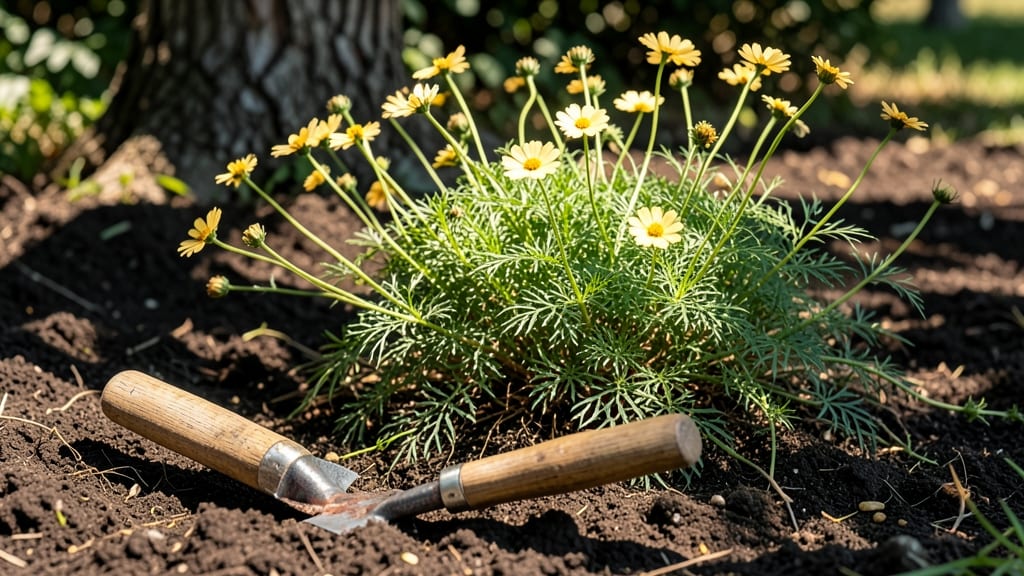
Dividing coreopsis plants in early spring gives you two-for-one blooms—thicker, bushier plants that flower longer than ever before. ✨ I’ve divided mine every three years, and the difference in bloom volume is night-and-day compared to letting them get overcrowded.
The best part? You end up with extra plants to share or move around your garden.
You’ll need a sharp spade, gloves, and a hose for cleanup—no fancy tools required. The process takes about 30 minutes per plant, and the key is working when the soil is still cool but workable.
Dig around the plant’s base, tease apart the clumps, and you’ll see why this simple task makes such a big difference in plant health.
After replanting, your divided coreopsis will bounce back with vibrant green foliage and nonstop blooms by midsummer. The roots establish quickly in loose soil, and you’ll notice new side shoots within weeks. Just keep the soil lightly moist for the first two weeks—no fuss, just better plants.
Bonus: Use those extra divisions to fill gaps in your garden or gift to neighbors. Coreopsis spreads easily, but dividing keeps them from getting leggy or flopping over. Here’s how to do it right without stressing the plants—or yourself.
📚 In This Guide
- What you need
- Instructions
- Tips and common mistakes
- Wrapping up and next steps
What you need
- ● Sharp bypass pruners or a clean garden knife – For making precise cuts (sterilize with rubbing alcohol first!).
- ● Garden trowel or spade – A sturdy, 8-10 inch trowel works best for digging around roots.
- ● Garden hose or watering can – To keep soil moist and roots flexible during division.
- ● Garden gloves – Protect your hands from thorns (some Coreopsis varieties have them!) and dirt.
- ● Compost or well-aged manure – 1-2 gallons per divided plant to enrich the soil.
- ○ Mulch (optional but recommended) – Straw, shredded bark, or pine needles to retain moisture and suppress weeds.
- ● Rooting hormone – Speeds up establishment for cuttings or divided sections (especially useful in hot/dry climates).
- ● Plant tags or markers – Label new divisions if replanting in different locations.
- ● Wheelbarrow or bucket – For transporting divided plants and soil amendments.
- ● Disinfectant spray (e.g., 1 part bleach to 9 parts water) – To clean tools between cuts and prevent disease.
- ● Choose a cool, overcast day – Reduces stress on plants (avoid dividing in peak summer heat!).
- ● Water the plant 24-48 hours before dividing – Well-hydrated roots are easier to separate.
- ● Select a 3+ year-old Coreopsis – Younger plants won’t have established enough roots for successful division.
Step-by-Step instructions for dividing coreopsis plants
Here's how to split your coreopsis into stronger, more vibrant plants—no guesswork involved.
🪴 Step 1: Choose the Right Time and Tools
Divide coreopsis in early spring or early fall when the plant is dormant but not frozen. Avoid dividing after flowering—you'll sacrifice next year's blooms. Gather your tools: a sharp spade or garden fork, pruning shears, and gloves to protect your hands from the plant's fine hairs.
I always check the weather forecast first—pick a day with mild temperatures (50-65°F) and no rain in the forecast. Wet soil makes digging difficult and can damage roots. If your plant is in a pot, water it 24 hours before dividing to encourage roots to spread outward for easier separation.
✂️ Step 2: Dig Up and Separate the Clump
Using your spade, dig around the plant in a 12-inch radius to loosen the soil and lift the entire root ball. Be gentle—coreopsis roots are fibrous and can tear easily. Shake off excess soil to reveal the clump, but don't rinse it completely. You'll see distinct sections with their own roots and shoots radiating from a central crown.
I like to divide coreopsis into 3-4 sections per plant, ensuring each piece has 3-5 stems and a good portion of roots. If a section has only a few stems, it won't bloom as well—discard these small pieces or replant them as cuttings. Use your pruning shears to trim any tangled roots, cutting cleanly at a 45-degree angle to prevent ragged edges.
💧 Step 3: Replant the Divided Sections
Dig new holes twice as wide as the root ball but only as deep as the original planting. The crown should sit just above soil level—burying it too deep causes rot, while leaving it exposed leads to stem rot. Amend the soil with compost if your garden soil is heavy or poor-draining, but skip fertilizer—new divisions need time to establish roots before feeding.
Water each replanted section deeply right after planting to settle the soil and eliminate air pockets. You'll see the soil sink slightly as you water—this is normal. Mulch around the base with 2-3 inches of organic mulch to retain moisture and suppress weeds. Avoid piling mulch against the stems to prevent rot.
☀️ Step 4: Care for Divided Plants Through the First Season
Keep newly divided coreopsis well-watered for the first 4-6 weeks, watering 1-2 times per week until the soil feels 2 inches dry at the surface. You'll notice new growth within 3-4 weeks—this is your cue that the plants are recovering. Once established, coreopsis is drought-tolerant, but young divisions need consistent moisture to root properly.
Hold off on fertilizing until late spring of the following year. Too much nitrogen now encourages leafy growth at the expense of flowers. Instead, focus on light pruning—snip back any dead or damaged stems in early spring to encourage bushier growth. By next summer, your divided plants will reward you with fuller blooms and stronger stems.
Tips & tricks for perfect coreopsis division
Here's what I've learned after dividing coreopsis for years—these tricks make all the difference between struggling plants and thriving blooms.
Timing Secret: The 24-hour watering rule before dividing is non-negotiable for potted plants. I've tried skipping it, and the roots just don't separate cleanly. For in-ground plants, focus on those 50-65°F days—cooler temps mean less stress on the roots during handling. If you're in doubt about timing, early spring is always safer than fall, especially in colder climates where winter might still arrive.
Root Handling: When you're dividing those 3-4 sections in Step 2, pay attention to the root structure. Each section should have a clear "thumbprint" of roots where it naturally separates from the crown. If you're struggling to divide cleanly, gently wiggle the sections rather than force them—coreopsis roots are delicate and tear easily. That 45-degree angle on root cuts isn't just for looks; it increases surface area for faster regrowth.
Replanting Depth: The crown sitting "just above soil level" is critical—this is where new growth emerges. I've made the mistake of planting too deep, and the stems would rot before ever reaching sunlight. For the new holes, use your spade to create a loose, crumbly soil environment. Press gently around the roots as you backfill, but don't compact the soil—you want air pockets to help roots establish quickly.
First-Year Care: Those 4-6 weeks of consistent watering are make-or-break. I check soil moisture by sticking my finger 2 inches deep—if it feels dry, it's time to water. The key is keeping the soil evenly moist, not soggy. After the initial 6 weeks, you can ease up to 1-2 times per week, but watch for signs of stress like wilting leaves. This is when your divisions are putting down the strongest root system for next year's blooms.
Pro Tips for Dividing Coreopsis Plants
- Here's what I've learned after dividing coreopsis for years—these tricks make all the difference between struggling plants and thriving blooms.
- Timing Secret: The 24-hour watering rule before dividing is non-negotiable for potted plants.
- Root Handling: When you're dividing those 3-4 sections in Step 2, pay attention to the root structure.
Frequently asked questions
Got questions about dividing coreopsis? You’re not alone!
Here are answers to the most common concerns—from timing to troubleshooting—so you can confidently multiply your blooms like a pro.
When is the best time to divide coreopsis plants?
Divide coreopsis in early spring or early fall when temperatures are mild (50–70°F). Avoid summer heat or winter frost, as these stress plants. Spring divisions give roots time to establish before blooming season, while fall divisions allow roots to settle before winter dormancy. Pro tip: If you miss these windows, late summer (August) works too—just water thoroughly afterward!
How do I know if my coreopsis is ready to be divided?
Your plant is ready when it’s 3–4 years old, overcrowded, or flowering less vigorously. Look for these signs:
- Sparse blooms or leggy stems.
- A dense center with fewer leaves at the base.
- Clumps that feel congested when you gently tug the outer stems.
Can I divide coreopsis in pots instead of the garden?
Potted coreopsis divides the same way as garden-grown plants. Use 1–2 gallon containers with well-draining soil and divide in spring. After separating, repot divisions with fresh potting mix, water lightly, and place in partial shade for 1–2 weeks to reduce transplant shock. Bonus: Potted coreopsis is great for balconies or patios!
What should I do if my divided coreopsis doesn’t bloom the first year?
Don’t panic—it’s normal! Divided plants often take a year to recover and refocus energy on root growth. To encourage blooms:
- Water deeply but infrequently (let soil dry slightly between waterings).
- Fertilize lightly with a balanced 10-10-10 formula in spring.
- Avoid heavy pruning until the second year.
How often should I divide coreopsis plants?
Divide coreopsis every 3–4 years to maintain health and vigor. Over time, clumps become woody and produce fewer blooms. Signs it’s time:
- Flowering declines by 30% or more.
- New growth appears only at the outer edges.
- The center looks bare or dead.
Wrapping up and next steps
Dividing your coreopsis plants is a simple yet rewarding way to boost their health and beauty—and now you’ve got all the know-how to do it like a pro! 🌸 Whether you’re tackling overcrowded clumps or sharing blooms with fellow gardeners, this method ensures vibrant, long-lasting flowers year after year.
The best part? You’ll soon have more plants than you started with—just like magic (but with dirt and pruners).
Ready to transform your garden? Grab your tools, pick a sunny day, and get dividing! And if you’re feeling extra ambitious, try replanting a divided coreopsis near complementary flowers—like lavender or black-eyed Susans—to create a showstopping pollinator paradise. Happy gardening! 🌿✨