
Pests
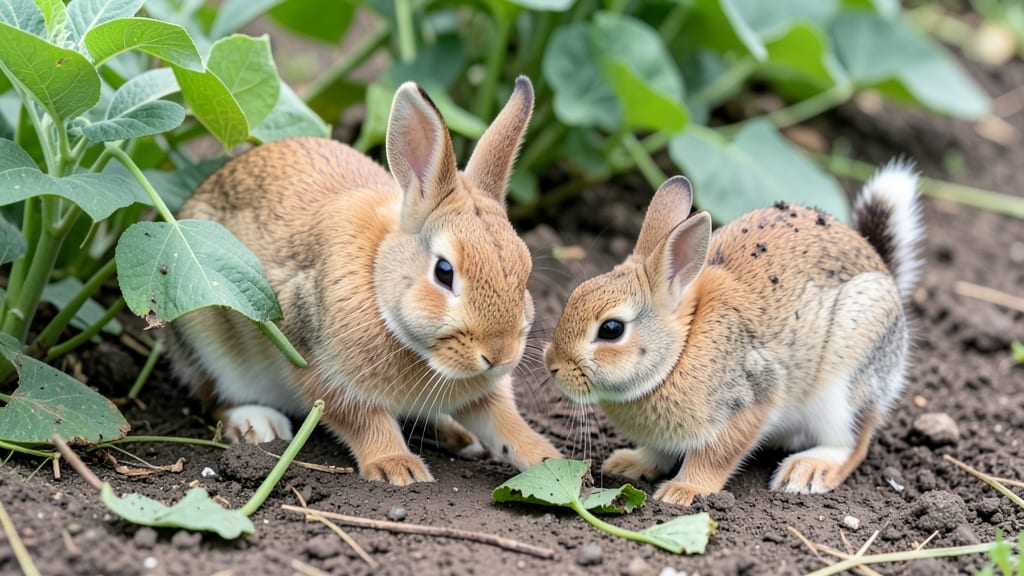
Rabbits will eat many bean plants like green beans and runner beans, but kidney beans and raw soybeans can be dangerous due to natural toxins. Always test small amounts first and avoid processed varieties.
Bean plants are a mixed bag for rabbits—some are perfectly safe treats, while others can cause serious digestive upset or even poisoning. 🌱 The key difference lies in processing: raw kidney beans contain lectins that can damage red blood cells, while cooked varieties are generally safe in moderation.
I’ve seen gardeners accidentally poison rabbits by leaving dried beans out, so always check with a vet before offering anything new. For safe alternatives, try peas or leafy greens like cilantro, which rabbits adore and won’t harm them.
When introducing new plants, start with tiny portions to monitor your rabbit’s reaction. Some rabbits handle certain beans fine, while others may experience bloating or diarrhea. 🐰 The safest approach is to stick with proven rabbit-friendly plants and avoid any bean varieties that aren’t fully cooked or processed.
If you’re growing a garden, consider planting rabbit-resistant alternatives like marigolds or lavender near your bean patches to deter nibbling.
💡 In This Article
- Toxicity Risks in Bean Plants for Rabbits
- Safe Bean Alternatives for Rabbit Gardens
Toxicity risks in bean plants for rabbits
Raw kidney beans and certain other legumes contain dangerous compounds like phytohaemagglutinin, a lectin that binds to intestinal walls and can cause severe vomiting or even death in rabbits. This toxin is most concentrated in the seed coat, but even small amounts can trigger symptoms within 6-12 hours.
Cooking at 165°F for 10+ minutes breaks down these proteins, making beans safe—but never feed processed or canned varieties, as additives may be harmful.
The danger extends beyond kidney beans: raw red beans and some varieties of soybeans contain similar lectins, though in different concentrations. For example, raw soybeans have trypsin inhibitors that disrupt digestion, while cooked soy is generally safe.
The key is heat processing—boiling or baking destroys these toxins, but rabbits lack the digestive enzymes to neutralize them naturally. 🔥 Even small servings of raw beans can cause gastrointestinal distress, with symptoms including lethargy or diarrhea.
Green beans and runner beans, however, are safe in moderation because they lack these harmful lectins. Their high fiber content supports digestion, while their crisp texture provides dental benefits.
The difference lies in their botanical classification: true beans (like kidney beans) belong to the Phaseolus genus, while green beans are part of the Phaseolus vulgaris subspecies specifically bred for pods. Always check labels—some "green beans" may actually be immature kidney beans, which are unsafe.
Cooking isn't just about safety—it also affects nutrient availability. Raw beans contain antitrypsin factors that block protein absorption, while cooking reduces these by up to 90%.
For rabbits, this means cooked beans provide better nutrition, though they should still be given as occasional treats (1-2 tablespoons per 5 lbs of body weight). The fiber in cooked beans also helps prevent gastrointestinal stasis, a common rabbit health issue.
One critical factor is preparation method: canned beans often contain salt or preservatives that rabbits can't process, while fresh-cooked beans are ideal. If you're growing beans in your garden, harvest pods when they're bright green and firm—overripe or dried beans pose higher risks.
Always introduce new foods gradually, watching for signs of distress like reduced appetite or hunched posture, which could indicate toxicity.
For comparison, here's how different beans rank in safety:
- Safe: Green beans, runner beans, broad beans (cooked or fresh)
- Caution: Lima beans (moderate lectin levels—always cook thoroughly)
- Dangerous: Raw kidney beans, red beans, raw soybeans, dried beans
What most people overlook is that even safe beans should be washed thoroughly to remove pesticides or soil contaminants. Rabbits have sensitive digestive systems, so organic or homegrown beans are always preferable. 💫 The bottom line?
When in doubt, stick to rabbit-safe alternatives like peas or leafy greens—your bunny's health isn't worth the risk with beans.