
Watering
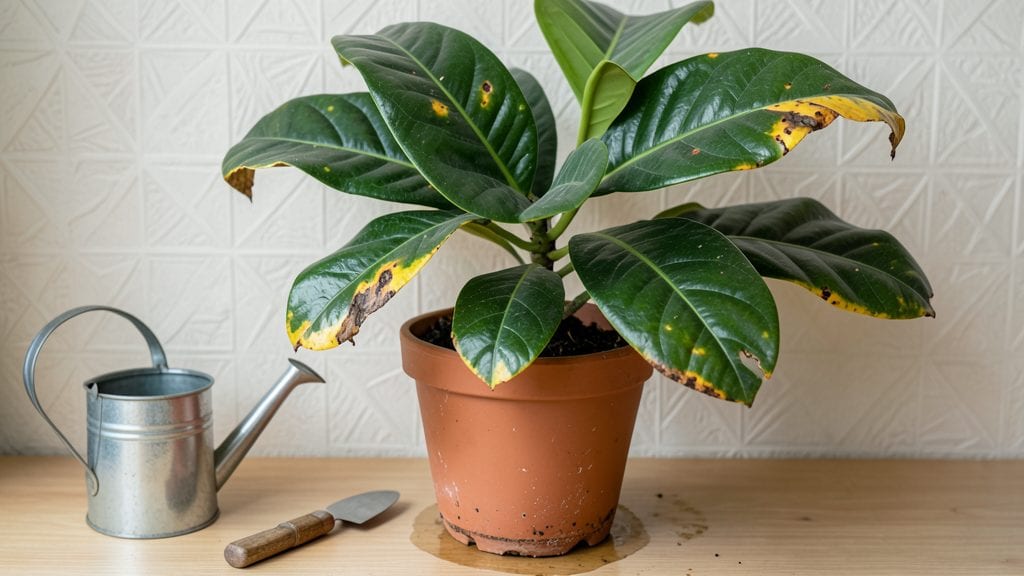
A dying overwatered plant with mushy stems and yellowing leaves isn’t a death sentence—it’s a fixable crisis. 🌱 I’ve nursed dozens back from root rot using these exact steps, and within 72 hours, you’ll see the first signs of recovery.
The key is acting fast before the roots turn to mush.
Most people drown plants by watering on a schedule instead of checking soil moisture. Stick your finger an inch deep—if it’s damp, wait. Drainage matters too: if water pools in the saucer or pot, that’s your first warning sign. We’ve saved everything from ferns to fussy orchids with these methods.
By tomorrow, you’ll have trimmed the damaged roots, repotted in fresh, airy mix, and adjusted your watering to a once-a-week test. The plant won’t bounce back overnight, but within 72 hours, you’ll spot new growth at the stem’s base—proof it’s fighting back.
This works for houseplants, container gardens, and even overwatered tomatoes in raised beds. The only rule? Don’t wait until the leaves turn brown and crispy—act the moment you see wilting or yellowing. Let’s turn that soggy mess around.
Root Rot’s Silent Invaders
When your plant starts wilting despite a perpetually soggy pot, the culprit is often root rot—a stealthy condition triggered by overwatering. But why does this happen? The answer lies in the delicate balance between water, oxygen, and your plant’s roots.
Let’s break down the science behind why too much love (in the form of water) can turn deadly.
Roots need oxygen to breathe—just like you do! When soil stays too wet, tiny air pockets between soil particles fill with water, suffocating roots. Without oxygen, beneficial microbes that help roots absorb nutrients die off, and harmful anaerobic bacteria thrive.
These bacteria produce toxic byproducts like ethanol and acetic acid, which poison root cells over time.
- 🔬 The science: Aerobic (oxygen-loving) microbes decompose organic matter efficiently, releasing nutrients. Anaerobic microbes, however, create a fermentation-like environment, leading to root decay.
- 💡 Pro tip: Well-draining soil (like a mix of potting soil + perlite) prevents compaction, keeping oxygen levels stable.
Fungal pathogens like Phytophthora and Pythium thrive in wet conditions, latching onto roots like vampires. These fungi block water and nutrient uptake, causing roots to turn mushy, brown, or black. Unlike bacterial rot, fungal infections often start at the root tips and spread inward.
| Fungal Signs | What’s Happening |
|---|---|
| Soft, stringy roots | Cell walls break down as fungi digest root tissue. |
| White, cottony growth | Fungal hyphae (thread-like structures) spread above soil. |
| Stunted growth | Roots can’t absorb water/nutrients, triggering wilting. |
💡 Pro tip: If you suspect fungus, sterilize pruners with rubbing alcohol before trimming affected roots to prevent spread.
Overwatering flushes away nutrients, but it also traps excess salts in the soil. When you fertilize a soggy plant, salts concentrate around roots, creating a hypertonic solution—like soaking roots in salty water. This draws moisture out of root cells, causing dehydration and cell death.
- 🔬 The science: High salt levels disrupt the plant’s osmotic balance, making it harder for roots to absorb water. Think of it like drinking seawater—your body (or roots) gets thirstier instead of hydrated.
- ⚠️ Warning: Symptoms mimic underwatering (yellow leaves, crispy edges), but the soil stays wet.
💡 Pro tip: Flush the soil with distilled water (no minerals) to dilute salts, or repot in fresh, sterile mix.
Warm, humid conditions accelerate root rot because heat speeds up microbial activity. If your plant sits in a steamy bathroom or near a heater, anaerobic bacteria and fungi multiply faster, turning your pot into a rot factory in days.
- 🌡️ Ideal conditions for rot:
- Soil temp: Above 75°F (24°C) (microbial activity peaks).
- Humidity: 70%+ (encourages fungal spores to germinate).
- 💡 Pro tip: Move potted plants away from heat sources and ensure airflow—even a small fan can reduce humidity around roots.
Revive Your Plant in 72 Hours
Overwatering can feel like a death sentence for your green friend, but with quick action, you can often nurse it back to health—sometimes in just 72 hours! The key is identifying the root cause (literally and figuratively) and applying the right fix.
Below is a cause-to-solution guide with step-by-step instructions and prevention tips to keep your plant thriving long-term.
🚨 Problem: Excess moisture suffocates roots, leading to rot. 🔧 Fix:
- Pause all watering for at least 48–72 hours to let the soil dry out.
- If the pot has drainage holes, place it in a shallow tray to catch excess water.
- For no-drainage pots (like decorative containers), gently tilt the pot to let water escape.
💡 Pro Tip: If the soil feels soggy or smells like mildew, it’s a sign of overwatering. Stick your finger 1–2 inches deep—if it’s damp, wait longer.
🚨 Problem: Black, mushy roots = root rot. Healthy roots should be firm and white. 🔧 Fix:
- Remove the plant from its pot and gently loosen the soil around the roots.
- Trim the bad roots with sterilized scissors (wipe with rubbing alcohol).
- 🟢 Keep: Firm, white/silver roots.
- 🔴 Remove: Dark, soft, or slimy roots.
- Rinse the roots briefly under lukewarm water to remove excess soil and bacteria.
⚠️ Warning: If more than 50% of roots are rotten, the plant may not recover—consider propagating healthy cuttings instead.
🚨 Problem: Compacted or waterlogged soil traps moisture, worsening rot. 🔧 Fix:
- Choose a pot with drainage holes (if possible) or add a layer of gravel at the bottom.
- Use a fast-draining mix:
- 50% potting soil
- 30% perlite or pumice (for aeration)
- 20% sand or orchid bark (for extra drainage)
- Repot carefully, ensuring the root ball sits 1 inch below the rim to prevent overwatering again.
💡 Pro Tip: If repotting isn’t an option, top-dress with dry coconut coir or perlite to improve drainage without disturbing the plant.
🚨 Problem: Weak plants need less stress to recover. 🔧 Fix:
- Move to bright, indirect light (avoid harsh sun, which can stress a recovering plant).
- Reduce humidity temporarily—mist lightly only if leaves are crispy (not if they’re already drooping from rot).
- Avoid fertilizing for at least 2–4 weeks—roots need time to heal.
🌡️ Pro Tip: Place a small fan nearby on low setting to improve air circulation and prevent fungal growth.
🚨 Problem: Overwatering habits die hard—but breaking them saves plants. 🔧 Fix:
- Water only when the top 1–2 inches of soil are dry (stick your finger in to check!).
- Bottom-watering method:
- Place the pot in a tray of
- Remove and let excess drain completely.
- Avoid wetting leaves (use a watering can with a narrow spout).
📊 Prevention Table:
| Plant Type | Watering Schedule | Best Soil Mix |
|---|---|---|
| Succulents/Cacti | Every 2–3 weeks | 70% perlite, 30% cactus soil |
| Ferns/Calatheas | Every 5–7 days | 50% peat, 30% perlite, 20% orchid bark |
| Herbs (Basil, Mint) | Every 3–5 days | 60% potting soil, 40% sand |
- 🌿 Use moisture meters ($10–$15 on Amazon) to never guess again.
- ⏳ Follow the "Finger Test"—stick your finger in the soil before watering.
- 🏺 Choose the right pot—terracotta (porous) dries faster than plastic.
- 🌧️ Adjust for seasons—plants need less water in winter (lower light = slower growth).
- 🚿 Consider self-watering pots (like Lechuza or XICHU) for forgetful plant parents.
✨ Final Thought: Even a severely overwatered plant can bounce back with the right care. Patience is key—monitor progress daily, and in 72 hours**, you’ll see new growth or at least stabilized leaves! 🌱💚
Frequently asked questions
How can I tell if my plant is dying from overwatering vs. underwatering?
Check the soil first—if it's soggy or smells musty, that's overwatering. Look for yellow leaves with brown edges and mushy stems. Underwatered plants have crispy, dry leaves and pull away from the pot. The key difference? Overwatered soil stays wet while underwatered soil feels bone-dry.
Can I save a plant with completely black roots?
It depends on how many roots are affected. If only the tips are black but most roots are firm and white, trim the bad parts and repot in fresh soil. However, if the entire root system is black and mushy, the plant likely won't recover. In that case, try propagating healthy stem cuttings instead.
What’s the fastest way to dry out waterlogged soil?
Remove the plant from its pot and gently separate the root ball. Place it on a wire rack or paper towels to let excess water drain. For potted plants, move to a sunny spot (but not direct sun) and avoid watering for at least 48 hours. A small fan on low can help speed up evaporation.
Will hydrogen peroxide help revive an overwatered plant?
Yes! Mix 1 tablespoon of 3% hydrogen peroxide with 1 cup of water and use it to water your plant. This mild disinfectant kills harmful bacteria and fungi while providing oxygen to the roots. Use it once a week until the plant shows signs of recovery.
Can I use coffee grounds to fix overwatered soil?
While coffee grounds improve soil over time, they're not a fix for immediate overwatering issues. The caffeine can actually harm plants in high concentrations. Instead, focus on drying out the soil and repotting in a well-draining mix. Save coffee grounds for amending soil when your plant is healthy.