
Pests
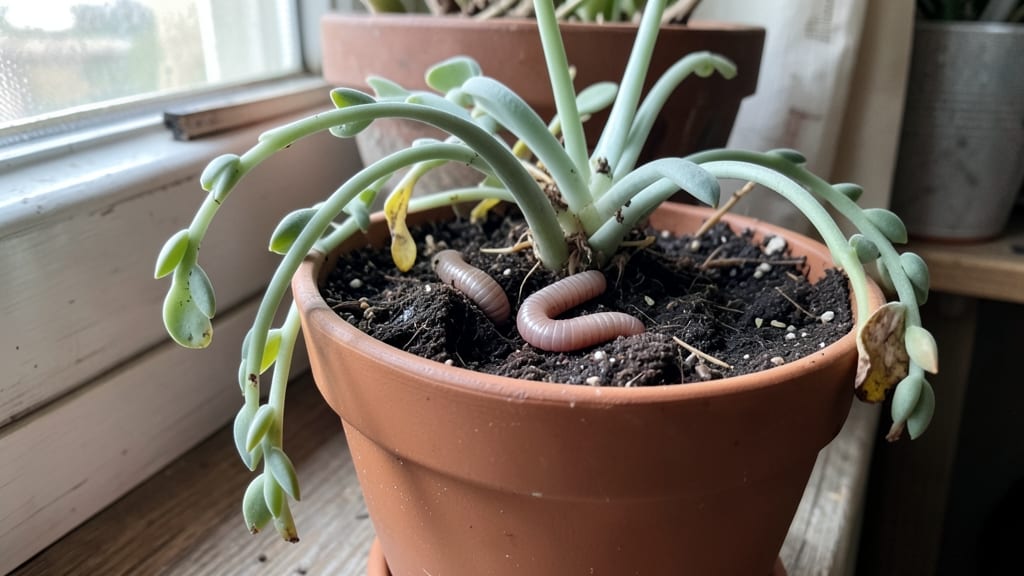
Finding earthworms in your indoor plants isn’t the disaster it seems—though it might feel like one at first. ✨ These wriggly visitors actually improve soil by aerating it and breaking down organic matter, but they’re not always welcome guests in controlled environments.
The key is understanding why they showed up and how to manage them without harming your plants.
Earthworms typically arrive through potting mix, overwatered soil, or accidental hitchhiking from outdoor plants. While they’re helpful outdoors, indoor containers can become too moist or poorly ventilated for their comfort—leading to messy castings or even plant damage if left unchecked.
The good news? A few simple adjustments can keep them in balance or gently encourage them to relocate.
You’ll learn how to assess your soil moisture, seal containers if needed, and use natural deterrents like diatomaceous earth or coffee grounds. The goal isn’t to eradicate them entirely but to create conditions where they don’t overstay their welcome.
Your plants will stay healthier, and you’ll avoid the stress of sudden worm sightings.
This approach works for houseplants, herb gardens, or even small vegetable containers. Whether you’re dealing with a sudden infestation or just curious about these soil helpers, here’s how to keep your indoor garden thriving—with or without earthworms around.
Unexpected Guests Arriving Indoors
Earthworms in your potted plants might seem like a surprise—after all, these soil-dwelling creatures are typically associated with outdoor gardens. But when they show up indoors, it’s usually due to a mix of unintentional actions, environmental cues, and plant care habits.
Let’s break down the most common reasons why these wiggly visitors decide to crash your indoor plant party.
Earthworms don’t just appear out of thin air—they often hitch a ride indoors through contaminated soil or gardening tools. Here’s how it happens:
- Repotting with Outdoor Soil: If you use garden soil, compost, or potting mix that contains worm eggs or mature worms, they can easily end up in your indoor pots.
Many gardeners unknowingly transfer these creatures when repotting houseplants or mixing fresh soil. - Shared Tools or Pots: Reusing containers, shovels, or gardening gloves that previously held outdoor soil can introduce worms to your indoor setup.
Even a small residue of soil on tools can harbor worm cocoons. - Compost or Mulch Mix-Ups: Some indoor plant enthusiasts use homemade compost or mulch that wasn’t fully sterilized.
If the composting process wasn’t hot enough (above 140°F or 60°C), worm eggs or larvae can survive and migrate into potted plants.
Pro Tip: 🔥 Always sterilize soil before using it indoors. Bake garden soil in the oven at 200°F (93°C) for 30 minutes to kill eggs and larvae, or use sterilized potting mix from a trusted supplier.
Earthworms thrive in moist, oxygen-rich environments—something many indoor plant owners accidentally provide. Here’s why excess water attracts them:
- Soggy Soil Conditions: Earthworms seek out damp soil because it’s easier for them to burrow and find food.
If your indoor plants are overwatered or sitting in saucers with standing water, the soil becomes a worm magnet. - Poor Drainage: Pots without drainage holes trap excess moisture, creating the perfect conditions for worms to establish themselves.
Even if you’re not intentionally overwatering, compacted soil or low-quality potting mix can hold onto water longer than ideal. - Humidity Lovers: Some indoor plants (like ferns, calatheas, or peace lilies) prefer higher humidity, which can also attract worms if the soil stays consistently damp.
Worms don’t need direct humidity—they just need moist soil to survive.
Actionable Fix: ⏰ Reduce watering frequency and ensure pots have drainage holes. Let the top 1-2 inches of soil dry out between waterings, and avoid letting plants sit in saucers of water.
Earthworms are decomposers at heart—they’re drawn to rotting organic material, which is often found in indoor plant setups. Here’s how it happens:
- Over-Fertilizing or Dead Leaves: If you’ve ever let yellow leaves, dead roots, or old mulch sit in the soil, they create a nutrient-rich feast for worms.
Decaying plant matter releases organic acids and sugars that worms love. - Using Unsterilized Compost: Even "worm-friendly" compost can contain worm eggs or larvae if it wasn’t properly processed.
Some indoor gardeners add compost tea or fresh compost directly to pots, unknowingly inviting worms to move in. - Root Rot or Decomposing Roots: If your plant has root rot (often from overwatering), the decomposing roots emit chemical signals that attract soil-dwelling organisms—including earthworms.
Pro Tip: 🌡️ Remove dead leaves and debris from pots regularly. If using compost, opt for worm-free, sterilized versions or fish emulsion as a safer alternative.
Believe it or not, earthworms can crawl indoors if given the chance. Here’s how:
- Nearby Outdoor Patches: If your indoor plants are placed near open windows, doors, or balconies, worms from outdoor soil or lawns can crawl inside in search of moisture and food.
- Potted Plants on Porches or Patios: Even if your main indoor space is worm-free, pots left outside (even temporarily) can pick up worms that then migrate inside when brought back in.
- Ventilation Systems: In rare cases, worms can enter through HVAC systems if outdoor air intakes are near worm-rich soil (though this is uncommon).
Prevention Tip: ✨ Keep indoor plants at least 3 feet away from doors and windows during rainy or humid seasons. If you bring pots indoors from outside, inspect them for worms before placing them near other plants.
Earthworms aren’t picky—they’ll set up shop anywhere with the right conditions. Here’s why they might choose your indoor plants:
- Large or Deep Pots: Worms prefer loose, aerated soil with plenty of space to burrow.
If you use deep pots with rich, organic soil, they’ll treat it like a five-star hotel. - Similar Soil Conditions: Indoor potting mixes often mimic outdoor soil with peat moss, coconut coir, or compost, which worms find appealing.
If your mix is too similar to garden soil, they won’t see the difference. - Lack of Predators: Indoors, worms face few natural predators (like birds, moles, or centipedes), so they reproduce and thrive without interference.
Solution: 🎯 Use sterilized, worm-resistant potting mixes (like those labeled for succulents or cacti) and avoid adding unsterilized amendments. If worms are already present, relocate them outdoors to a garden bed instead of killing them.
Fixing Unwanted Worm Woes
Finding earthworms in your indoor plants can be a pleasant surprise—or a frustrating pest problem, depending on how they arrived. Whether they’re guests you didn’t invite or signs of overwatering, here’s how to address the issue and keep your plants thriving without harming the worms (or your sanity).
If earthworms are multiplying faster than you’d like, they’re likely thriving in overly moist, nutrient-rich soil. Here’s how to manage them:
👨🍳 Step 1: Relocate the Worms (Ethically!)
Earthworms aren’t pests—they’re beneficial! If you don’t want them in your indoor plants, transplant them to a garden bed, compost pile, or a friend’s outdoor soil.
Use a small trowel or spoon to carefully lift them out and place them in a temporary container (like a shallow tray) before releasing them outside.
🥘 Step 2: Adjust Watering Habits
Overwatering is the #1 reason earthworms take over indoor pots. Let the top 1–2 inches of soil dry out between waterings. Use a moisture meter or stick your finger in the soil to check—if it’s soggy, hold off on watering.
⏰ Step 3: Improve Drainage
If your pots lack drainage holes, worms (and roots!) will suffocate. Add drainage holes to clay or plastic pots if missing, or repot into containers with built-in drainage. For extra aeration, mix in perlite or coarse sand (10–20%) to prevent compaction.
If earthworms are struggling or dying in your indoor setup, the issue is likely low humidity, extreme temps, or poor soil conditions.
💡 Pro Tip: Mimic Outdoor Conditions
Earthworms need moisture, shade, and organic matter to survive. If your indoor space is too dry:
- Mist the soil lightly (avoid soaking).
- Place plants near a humidifier or on a pebble tray.
- Avoid direct sunlight—worms prefer cooler, shaded spots.
🎯 Prevent Soil Toxicity
If your soil is too acidic or chemical-heavy (from fertilizers), worms may avoid it. Test your soil pH (ideal range: 6.0–7.0 for most worms).
If needed, amend with: - Compost (for organic matter) - Crushed eggshells (to neutralize acidity) - Worm castings (to improve fertility naturally)
Prevention is key! Here’s how to keep earthworms from becoming a recurring issue:
🔪 Avoid Outdoor Soil Contamination
Earthworms hitchhike in potting mix, compost, or outdoor soil.
Always: - Sterilize new soil by baking it at 200°F (93°C) for 30 minutes to kill eggs/larvae. - Use coco coir or peat-based mixes instead of garden soil for indoor plants. - Quarantine new plants for 2–4 weeks before introducing them to your collection.
📊 Monitor Humidity & Temperature
Worms thrive in 50–80% humidity and 50–70°F (10–21°C). Use a hygrometer to track levels and adjust with:
- A fan (for airflow in humid climates)
- A greenhouse tray (for extra moisture in dry air)
🥗 Choose Worm-Resistant Plants (If Needed)
Some plants attract worms more than others due to high moisture needs (e.g., ferns, calatheas). If worms are a persistent issue:
- Opt for drought-tolerant plants (snake plants, succulents, zebra plants).
- Keep tropical plants in controlled humidity (not constantly wet).
Final Note: Earthworms are rarely a true pest—they’re usually a sign your plant’s environment needs tweaking. With these fixes, you’ll keep your soil healthy and your worms happy (or relocated, if you prefer!). 🌱🐛
Frequently asked questions about earthworms in indoor plants
Are earthworms harmful to my indoor plants?
Not usually! Earthworms actually improve soil by aerating it and breaking down organic matter. However, they can become a nuisance if they multiply uncontrollably in small pots, creating messy castings or disrupting root systems. The key is balance—most indoor plants tolerate them fine as long as soil conditions stay stable.
How do I safely remove earthworms from my potted plants?
Gently relocate them outdoors instead of killing them! Use a spoon to transfer worms to a temporary container, then release them in your garden or compost pile. For stubborn cases, reduce watering and improve drainage to make conditions less inviting. Never use chemical pesticides—they’ll harm your plants too.
Can earthworms survive in all types of indoor potting mixes?
No—they thrive best in organic, moisture-retentive mixes like those with coconut coir or compost. Worms avoid dry, sandy mixes or those with high chemical content. If you want to prevent them, use sterilized, worm-resistant mixes designed for succulents or cacti, which have minimal organic matter.
Why do earthworms keep coming back after I remove them?
They’re likely returning because your soil stays too moist or rich in organic matter. Check your watering habits—let the top 1-2 inches dry out between waterings. Also inspect new potting mixes or compost for hidden eggs. Sterilizing soil before use can prevent future infestations.
Are there any indoor plants that naturally repel earthworms?
Drought-tolerant plants like snake plants, succulents, and aloe vera create less inviting conditions for worms due to their dry soil needs. However, no plant is completely worm-proof. The best defense is proper drainage and avoiding overwatering—regardless of the plant type.