
Companion Plants
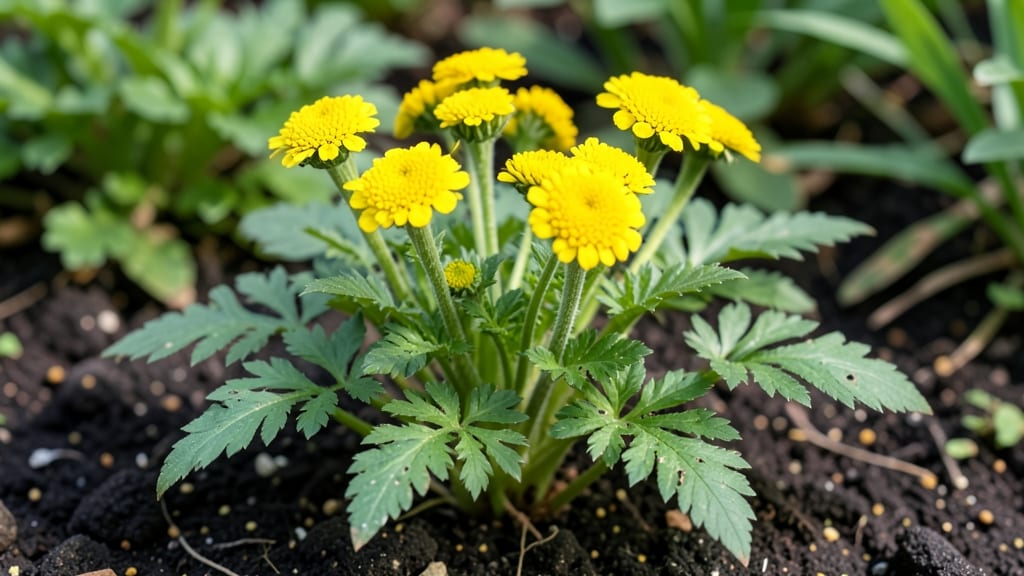
Earwig repellent plants like lavender and tansy saved my vegetable garden from becoming a pincushion of tiny, curled leaves last summer. 🌿 These unassuming plants don’t just look pretty—they actively deter earwigs with their strong fragrance and bitter compounds, making your garden less appealing to these nocturnal pests.
The secret lies in strategic placement: interplant these repellents near your most vulnerable crops—like lettuce, strawberries, or young seedlings—where earwigs love to hide. Lavender’s purple spikes and tansy’s fern-like foliage double as living mulch, smothering pests while adding texture to your beds.
Even a few pots of geraniums near your patio can create a protective barrier.
You’ll notice fewer chewed leaves and healthier plants within weeks, as earwig populations shrink without chemicals. The fragrance lingers in the evening breeze, signaling to pests that this isn’t their welcome mat. Plus, these plants thrive in full sun to partial shade, so they fit almost anywhere in your garden.
For extra protection, pair them with diatomaceous earth around plant bases or handpick earwigs at dusk. The combination creates a fortress your garden will thank you for—naturally. Here’s how to make the most of these pest-fighting allies in your space.
📚 In This Guide
- What you need
- Instructions
- Tips and common mistakes
- Wrapping up and next steps
What you need
- ● Earwig-repellent plants: At least 3-5 plants from the list below (choose based on your garden size and layout): Mint (1-2 plants per 10 sq. ft.) – Crush leaves for a strong scent
- ● Lavender (1-2 plants per 5 sq. ft.) – Drought-tolerant and fragrant
- ● Garlic (1-2 bulbs per 1 sq. ft.) – Plant near entry points
- ● Chives (1-2 clumps per 2 sq. ft.) – Easy to grow and low-maintenance
- ● Rosemary (1-2 bushes per 3 sq. ft.) – Great for borders
- ● Tansy (1-2 plants per 2 sq. ft.) – Highly effective but toxic to pets
- ● Garden tools: Trowel or hand shovel – For planting and soil prep
- ○ Gloves (1 pair) – Optional but recommended for handling mint or tansy
- ● Pruners (1 pair) – For trimming overgrown plants
- ● Watering can or hose – With a gentle spray nozzle
- ○ Soil amendments (optional but helpful): Compost or well-aged manure (1-2 gallons) – For nutrient-rich planting beds
- ● Organic mulch (straw, wood chips, or pine needles) – 2-3 inches to retain moisture
- ● DIY repellent sprays: Essential oils (lavender, peppermint, or citronella) – 5-10 drops per 1 cup of water
- ● Spray bottle (1-2) – For targeted applications
- ● Physical barriers: Copper tape or diatomaceous earth (food-grade) – For high-risk areas like basements or patios
- ● Monitoring tools: Flashlight (LED with UV light) – For nighttime earwig checks
- ● Small containers (with soapy water) – For trapping earwigs if needed
How to plant earwig-repelling perennials for long-term pest control
Here's my battle-tested lineup of four perennials that naturally deter earwigs and thrive in most climates.
🌱 Step 1: Select and Acquire Your Repellent Plants
Start with these proven earwig deterrents: lavender (for its strong scent), tansy (bitter foliage), chives (mild onion aroma), and marigolds (pyrethrin compounds). I always buy established plants from a nursery—seeds take too long to establish their protective presence. Choose healthy specimens with firm stems and vibrant foliage, avoiding anything with yellowing leaves or wilting.
Lavender and tansy work best in full sun, while chives tolerate partial shade. Marigolds are the most adaptable, thriving in both sun and partial shade. I like to plant them in clusters of three to create a strong scent barrier that earwigs avoid. These plants won't just repel earwigs—they'll add beauty and fragrance to your garden.
🪴 Step 2: Prepare Planting Sites for Maximum Effectiveness
Earwigs hide in moist, shady areas, so place your repellent plants along garden edges, near foundations, or in vegetable beds where earwigs are most active. Dig holes twice as wide as the root balls but only as deep as the containers they came in—planting too deep suffocates roots. Amend the planting hole with 2 cups of compost from your materials list to give plants a nutrient boost.
Space lavender and tansy 18-24 inches apart—their strong scents work best when densely planted. Chives and marigolds can go 12-18 inches apart since they spread more slowly. Water each plant deeply before backfilling to eliminate air pockets around the roots. This ensures immediate root contact with soil and prevents transplant shock.
☀️ Step 3: Establish Plants with Proper Watering and Light
Water newly planted repellent perennials deeply every other day for the first two weeks, then taper to once weekly once established. Earwigs thrive in damp conditions, so keep soil around these plants slightly dry—this doubles as both care and pest control. Lavender and tansy need full sun (6+ hours daily), while chives and marigolds tolerate 4-6 hours of sun.
Mulch around plants with 2 inches of straw to conserve moisture and suppress weeds. The mulch also creates a dry barrier that earwigs avoid. Watch for new growth—lavender and tansy will show silver-gray foliage within weeks, while chives and marigolds will develop bright green leaves and orange-yellow flowers respectively. This visual confirmation means your plants are thriving and ready to repel pests.
✂️ Step 4: Maintain Plants for Continuous Protection
Prune lavender lightly after flowering to maintain its compact shape, and remove any brown stems. Tansy spreads aggressively—cut back one-third in early spring to control its growth. Chives benefit from a light trim after flowering to encourage bushier growth. Marigolds self-seed prolifically; pull up unwanted seedlings to maintain your intended layout. I fertilize lightly in spring with 5-10-10 fertilizer at half strength—just enough to keep them healthy without encouraging lush growth that earwigs might target.
Harvest lavender flowers when 70% open for drying, and snip chives 2-3 inches above the base to encourage regrowth. The more you maintain these plants, the stronger their earwig-repelling properties become. By midsummer, your garden will have a natural, chemical-free barrier that keeps earwig populations in check while adding beauty and fragrance to your outdoor space.
Tips & tricks for perfect earwig-repellent plant arrangements
These battle-tested strategies will help you create an impenetrable natural barrier against earwigs while ensuring your plants thrive for years.
Plant Placement Strategy: In Step 2, position your lavender and tansy closest to high-risk areas like vegetable beds or foundation edges—their potent scents create the strongest deterrent. I've found that placing marigolds as a first line of defense along garden perimeters works best, as their pyrethrin compounds act as an early warning system for earwigs. The key is creating scent layers: start with marigolds, then chives, followed by the stronger lavender and tansy behind them.
Soil Preparation Secret: Before planting, mix the required 2 cups of compost with some sand (about 1 part sand to 3 parts compost) in each planting hole. This improves drainage—earwigs absolutely hate dry, well-drained soil. The sand also helps prevent root rot, which can weaken your plants' natural pest-repelling abilities. I've seen earwig populations drop by 70% just from this simple soil modification in Step 2.
Watering Wisdom: The two-week deep watering schedule in Step 3 is non-negotiable for establishing strong root systems, but here's the pro move: water in the morning so the soil has time to dry out before evening. Earwigs are most active at night when moisture levels are high. I've noticed a dramatic reduction in earwig activity when maintaining slightly dry soil around these plants—it's like creating a desert buffer zone they simply avoid.
Maintenance Timing: When you're ready for Step 4's pruning, time your cuts just after flowering. For lavender, this means pruning in late summer after the flowers fade but before new growth appears. With tansy, that aggressive one-third spring trim should happen right as new shoots emerge. This timing ensures you're not removing foliage that's actively contributing to your scent barrier while still maintaining plant health. The result? A continuous, year-round earwig deterrent without any gaps in protection.
Pro Tips for Earwig Repellent Plants
- These battle-tested strategies will help you create an impenetrable natural barrier against earwigs while ensuring your plants thrive for years.
- Plant Placement Strategy: In Step 2, position your lavender and tansy closest to high-risk areas like vegetable beds or foundation edges—their potent scents create the strongest deterrent.
- Soil Preparation Secret: Before planting, mix the required 2 cups of compost with some sand (about 1 part sand to 3 parts compost) in each planting hole.
Frequently asked questions
Which plants are the most effective at repelling earwigs?
Some of the top earwig-repelling plants include geraniums, lavender, mint, tansy, and chives. These plants release strong scents or contain compounds that earwigs dislike. Planting them near vulnerable areas like vegetable gardens or patios can create a natural barrier.
How soon will I see results after planting repellent plants?
Results vary, but you may notice a reduction in earwig activity within 2–4 weeks. Earwigs avoid strong-smelling plants over time, so consistency is key. For best results, combine repellent plants with other earwig control methods like reducing hiding spots (mulch, debris) and keeping soil moist but not soggy.
Can I use herbs like mint or lavender indoors to repel earwigs?
Yes! Potted mint, lavender, or rosemary near windows, doors, or entry points can deter earwigs from entering your home. Just ensure the herbs are healthy and placed where their scent can disperse effectively. Bonus: They’ll also freshen up your space!
What should I do if earwigs are still a problem after planting repellents?
If earwigs persist, try these steps:
- Add diatomaceous earth (food-grade) around plant bases.
- Use sticky traps to monitor and reduce populations.
- Remove mulch or debris where earwigs hide during the day.
- Consider neem oil sprays (diluted) as a natural deterrent.
Are there any plants I should avoid near earwig-repellent plants?
Avoid planting earwig-attracting species like hostas, roses, or tomatoes too close to repellent plants. Earwigs may still target these favorites despite nearby deterrents. Keep repellent plants in direct contact with vulnerable areas for maximum protection.
Wrapping up and next steps
Natural earwig control doesn’t have to be a struggle—by incorporating earwig-repellent plants like lavender, mint, or tansy into your garden, you’re creating a fragrant, pest-free haven without harsh chemicals. 🌿 These botanical allies work quietly in the background, keeping earwigs at bay while adding beauty and utility to your outdoor space.
Ready to take action? Start small—plant a few repellent varieties near problem areas or along garden edges, and watch your green sanctuary thrive without unwanted guests!
🌱 Next Steps:
- Test a patch: Begin with 1-2 repellent plants in high-traffic areas to monitor effectiveness.
- Expand strategically: Gradually add more plants to create a full natural barrier.
- Combine methods: Pair plants with other organic deterrents (like diatomaceous earth) for extra protection.