Pruning
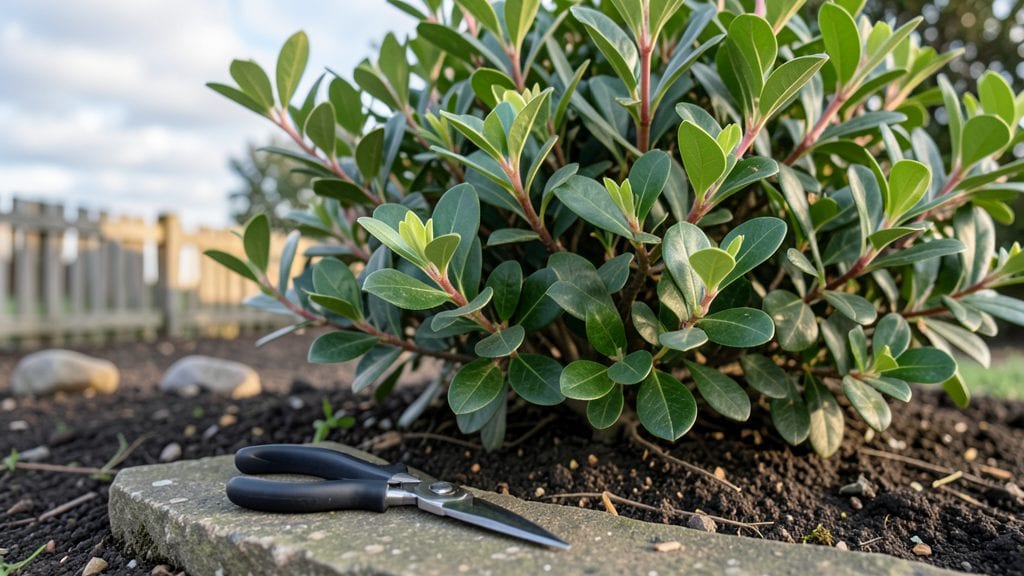
Pruning euonymus plants transforms them from scraggly to showstopping within a single season. ✨ The secret lies in three strategic cuts—spring, summer, and late winter—each serving a different purpose for your plant’s health and appearance.
I learned this the hard way after letting my Euonymus alatus grow wild for years, only to discover how dramatically a little attention could revive it.
You’ll need sharp pruning shears, gloves, and a clear plan for each season’s goals. Spring is about shaping, summer focuses on cleanup, and late winter rejuvenates older growth.
Different varieties—like the glossy Euonymus japonicus or the winged Euonymus alatus—respond best to slightly different timing, but the core principles stay the same. The key is never to remove more than one-third of the plant’s growth in a single session.
After pruning, your euonymus will reward you with denser foliage, brighter berries, and a shape that actually matches your vision. The new growth that emerges is shockingly lush, with leaves that pop against the stems.
Even if you’ve never pruned before, this method is impossible to mess up—just follow the seasonal cues and watch your plant bounce back.
Works for both formal hedges and informal shrubs, in full sun or partial shade. The same techniques apply whether you’re pruning for flowers, berries, or just keeping it tidy. Let’s get those shears ready—your euonymus is waiting for a makeover.
📚 In This Guide
- What you need
- Instructions
- Tips and common mistakes
- Wrapping up and next steps
What you need
- ● Bypass pruners – Sharp, clean-cutting (10–12" blades, sterilized with rubbing alcohol or bleach between cuts).
- ● Loppers – For thicker stems (16–24" reach, bypass or anvil type for clean cuts).
- ● Hand saw – For stubborn branches (7–10" blade, pruning saw with fine teeth).
- ● Gloves – Heavy-duty gardening gloves (nitrile-coated for grip and protection).
- ● Disinfectant – 1-part bleach to 9 parts water (to sterilize tools and prevent disease).
- ● Ladder or step stool – For tall euonymus (stable, 6–8 ft height).
- ○ Pruning sealant – To coat large cuts (optional for smaller trims).
- ● Marking twine or flags – To tag branches for removal (useful for structured pruning).
- ● Trash bags – For debris cleanup (10–20 gallon size).
- ● Check the weather: Mild, dry day (avoid rain or wind).
- ● Wear comfortable clothing (long sleeves/pants to protect from thorns).
- ● Review your pruning plan (map out cuts before starting).
- ● Have a water source nearby (for post-pruning hydration if needed).
Step-by-Step guide for pruning euonymus plants
Here’s how I keep my euonymus healthy year-round with just three simple seasonal trims.
✂️ Step 1: Light Pruning After Spring Growth (April-May)
Start by removing any dead, damaged, or crossing branches first—these are your priorities. Use clean, sharp pruners to make cuts just above a leaf node or outward-facing bud. This ensures new growth emerges in the right direction. I like to do this in early spring when the plant is just waking up but before new shoots appear.
Next, thin out any overcrowded areas to improve airflow. Euonymus can get leggy if branches grow too close together, so aim to space them about 6-8 inches apart. You’ll see the plant’s natural shape emerge as you work—let that guide your cuts. Avoid removing more than 25% of the plant’s total volume in this first trim.
✂️ Step 2: Summer Maintenance Trim (July-August)
This is the time to shape the plant while it’s actively growing. Look for branches that are growing inward or blocking light from reaching the center. Cut these back to a healthy bud or node, making sure your cuts are clean and angled slightly away from the bud. I always step back every few minutes to check the overall shape—it’s easier to spot what needs trimming from a distance.
If your euonymus has started to look too leggy, you can also pinch back the tips of new growth to encourage bushier growth. Just snip off the top 1-2 inches of soft, new shoots. Avoid heavy pruning now—this is about refining, not reshaping. You’ll notice new leaves filling in within a few weeks, giving the plant a fuller look.
✂️ Step 3: Late Fall Cleanup (October-November)
In late fall, focus on removing any dead, diseased, or weak branches that have appeared over the summer. This is also the time to tidy up any stray shoots that grew where you didn’t want them. Use your pruners to make clean cuts just above a bud or leaf node, and dispose of any diseased branches immediately to prevent spreading issues.
If your euonymus has colorful bark or stems (like the variety ‘Emerald Gaiety’), avoid heavy pruning now—you’ll miss out on its winter interest. Instead, just do a light cleanup to remove anything that looks unsightly. This final trim helps the plant enter dormancy in good shape, ready for spring growth.
⏰ Step 4: Winter Inspection (Optional, December-February)
While the plant is dormant, take a moment to inspect it for any damage from winter weather. Remove any broken or frozen branches with clean cuts. If you notice any signs of pests or disease (like black spots or webbing), treat the plant as soon as it starts growing again in spring. This is also a good time to plan your spring pruning—sketch out where you’d like the plant to grow if it’s shaping up to be a larger hedge or shrub.
Euonymus is a forgiving plant, so don’t stress if you miss a trim. Just focus on keeping it healthy by removing dead wood and encouraging airflow. With these seasonal trims, your euonymus will stay vibrant and full for years to come.
Tips & tricks for perfect euonymus pruning
Keeping your euonymus looking its best doesn't have to be complicated—just a few simple tricks make all the difference.
The Right Tools Matter: Always use clean, sharp pruners to make precise cuts. Dull blades crush stems instead of cutting cleanly, which can damage the plant and invite disease. I keep a small bottle of rubbing alcohol nearby to wipe down my pruners between cuts—this prevents spreading any potential pathogens from diseased branches. For larger branches, a small handsaw with a fine-tooth blade works better than pruners.
Visual Cues for Better Cuts: When making cuts in Step 1 and Step 2, look for the small buds or leaf nodes just below where the branch meets the main stem. These are your target spots—they're where new growth will emerge. If you're unsure which way to cut, imagine drawing a line from the bud outward, away from the center of the plant. Your cut should be just above this line, angled slightly downward. This technique ensures new growth follows your desired shape.
Seasonal Timing is Everything: The specific months in each step aren't arbitrary—they're tied to the plant's natural growth cycles. In spring (Step 1), you're working with the plant's natural energy surge. In summer (Step 2), you're guiding active growth while avoiding stress. Fall cleanup (Step 3) removes anything that might harbor pests over winter. And winter inspection (Step 4) catches any damage before new growth begins. Missing a season isn't a disaster, but being consistent helps maintain that healthy, full appearance year after year.
Pruning for Variety: If you're working with a colorful variety like 'Emerald Gaiety', pay special attention during fall cleanup. The stems and bark provide winter interest, so avoid heavy pruning that removes these features. Instead, focus on removing only the most unsightly growth. For standard green varieties, you have more flexibility to shape more aggressively during the growing seasons.
Pro Tips for Euonymus Plant Pruning
- Keeping your euonymus looking its best doesn't have to be complicated—just a few simple tricks make all the difference.
- The Right Tools Matter: Always use clean, sharp pruners to make precise cuts.
- Visual Cues for Better Cuts: When making cuts in Step 1 and Step 2, look for the small buds or leaf nodes just below where the branch meets the main stem.
Frequently asked questions
Got questions about keeping your euonymus looking its best? Here are some of the most common ones—and their answers!
When is the best time to prune euonymus?
The ideal times are early spring (just before new growth starts), late winter (to shape for spring blooms), and summer (to control size or remove dead wood). Avoid heavy pruning in fall—it can stress the plant before winter. Light trimming to remove dead branches can happen anytime, though!
Can I prune euonymus in winter?
Yes, but with caution! Prune only if the plant is dormant (no leaves) and avoid harsh frosts. Winter pruning is best for structural shaping or removing dead wood. If you live in a cold climate, wait until late winter when temperatures are milder. Never prune in deep freeze—it can damage the plant.
What if I prune too much?
Over-pruning can stress euonymus, leading to fewer blooms or stunted growth. Stick to removing no more than 1/3 of the plant’s foliage in a single session. If you’ve already overdone it, reduce watering slightly, fertilize lightly, and monitor for new growth. Patience helps—euonymus is hardy and often rebounds!
Do I need special tools for pruning euonymus?
Basic tools work great! Use sharp bypass pruners for small branches, loppers for thicker stems, and a hand saw for large limbs. Sterilize tools with rubbing alcohol between cuts to prevent disease. A pruning saw with a fine-tooth blade is ideal for clean cuts on woody stems.
What if my euonymus isn’t growing after pruning?
Check for these issues: poor soil drainage, overwatering, or pests/disease. Euonymus needs well-draining soil and moderate water—don’t let it sit in soggy conditions. If growth is slow, apply a balanced fertilizer in spring. Yellowing leaves? It might need more sunlight or less water.
Wrapping up and next steps
Mastering the art of euonymus plant pruning is your ticket to a lush, vibrant garden year-round! 🌿 With just three seasonal trims—spring, summer, and late fall—you’ll keep your euonymus thriving, encourage healthy growth, and even shape it to your liking.
Remember, the key is timing and patience, so don’t rush the process.
Now that you’re armed with the know-how, grab those pruners and give your euonymus the care it deserves. Ready to transform your garden? Start with a fresh trim this weekend—your plant (and your green thumb!) will thank you!