
Companion Plants
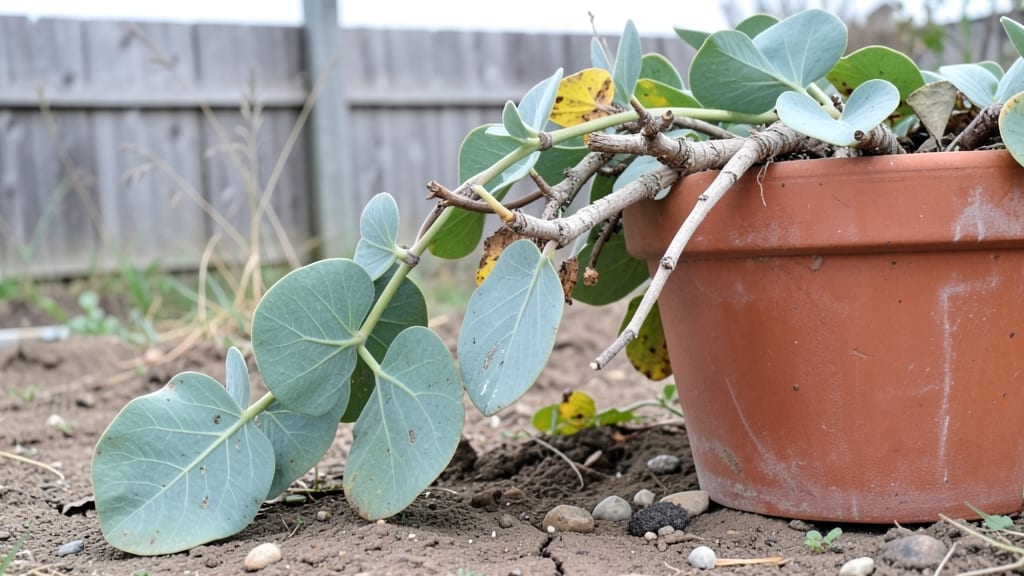
Evergreen trailing plants turn bare spots into lush, low-maintenance carpets that stay green all year long. 🌿 I used to dread winter garden blank spots, but these plants changed everything—they spread effortlessly, need almost no pruning, and bring color to shady corners where nothing else grows.
Creeping fig, English ivy, and pothos are my top picks for their hardiness and adaptability. They thrive in hanging baskets, along fences, or spilling over rock walls, and most handle shade better than sun-loving annuals.
The key is choosing the right spot—some prefer dappled light while others tolerate deep shade—and giving them well-draining soil to prevent root rot.
Imagine a front yard where winter isn’t a season of brown—just a continuous sea of glossy green. These plants create that effect with minimal effort, and they even suppress weeds naturally.
Once established, they’ll spread 12-24 inches per year without needing your help, making them perfect for busy gardeners or anyone tired of seasonal replanting.
For patios or balconies, try trailing plants in 10-15 gallon containers—they’ll cascade beautifully and add privacy. In cooler climates, opt for cold-hardy varieties like wintercreeper euonymus, while warmer zones can handle tropical pothos or creeping jenny.
The possibilities for transforming spaces are endless, from vertical gardens to ground covers that outperform grass.
📚 In This Guide
- What you need
- Instructions
- Tips and common mistakes
- Wrapping up and next steps
What you need
- ● Evergreen trailing plants: Choose from options like Liriope muscari, Sedum morganianum, Creeping Jenny (Lysimachia nummularia), or Hellebore (Helleborus). Pro tip: 🌡️ Pick varieties suited to your USDA hardiness zone (e.g., Zones 5–9 for most evergreens).
- ● Potting soil or garden soil: 5–10 gallons (for containers) or enough to fill a 2–3 ft. swath (for in-ground planting). Use a well-draining mix (add perlite or sand if your soil is heavy).
- ○ Containers (optional): 12–18" wide pots with drainage holes (for patio/balcony setups). ✨ Tip: Terracotta or fabric grow bags work best for aeration.
- ● Mulch: 1–2 inches of organic mulch (cedar chips, pine straw, or shredded bark) to retain moisture and suppress weeds.
- ● Garden trowel or hand shovel (for planting)
- ● Pruning shears (for trimming, though evergreens need minimal pruning!)
- ● Watering can or hose with a gentle nozzle (avoid overwatering!)
- ● Gloves (to protect your hands from soil and sharp edges)
- ● Measuring tape or ruler (to space plants 6–12" apart for full coverage)
- ● Slow-release fertilizer (e.g., 10-10-10 or compost) for nutrient-boosting
- ● Edging material (stone, metal, or plastic) to define plant borders
- ● Drip irrigation system (for automated watering in dry climates)
- ● Plant labels (to track varieties if mixing species)
Step-by-Step guide to establishing evergreen trailing plants
Here’s how to create a lush, low-maintenance ground cover that stays vibrant year-round.
🌱 Step 1: Select and Prepare the Planting Site
Choose a location with 6-8 hours of sunlight daily for sun-loving varieties like creeping thyme or partial shade for moisture-retentive types like ajuga. Test the soil by pressing your finger into it—if it feels dry at 1 inch deep, you’ll need to water more frequently. Amend heavy clay with 2-3 inches of compost to improve drainage, while sandy soil benefits from a 1-inch layer of peat moss to retain moisture.
Clear the area of weeds and debris, then rake the soil smooth to create an even surface. This prevents roots from struggling against rocks or uneven terrain. For slopes, create small terraces with landscape fabric to slow erosion while allowing roots to establish.
🪴 Step 2: Plant with Proper Spacing and Mulch
Dig holes twice as wide as the root ball but no deeper to avoid burying the crown. Space plants 12-18 inches apart for full coverage within 2-3 seasons. Gently tease apart roots if they’re circling the root ball—this encourages outward growth. Place each plant so the top of the root ball sits ½ inch below soil level.
Backfill with native soil mixed with 1 part compost to improve fertility. Water deeply until moisture reaches 6 inches down, then apply a 2-inch layer of mulch (like shredded bark or pine needles) to suppress weeds and retain soil moisture. Keep mulch 2 inches away from stems to prevent rot.
☀️ Step 3: Water and Monitor for Establishment
Water newly planted trailing plants every 2-3 days until you see new growth—this usually takes 3-4 weeks. Check soil moisture by pressing your finger 1 inch deep**; if it feels dry, water again. Overwatering is the biggest mistake here; soggy soil leads to root rot, especially in heavy clay.
Watch for signs of stress: yellowing leaves indicate too much water, while crispy edges mean underwatering. Once established, most evergreen trailers need water once a week in dry climates or every 10-14 days in humid regions. Reduce watering further after 6 months when roots spread deeply.
✂️ Step 4: Maintain Without Pruning (Optional Light Trimming)
Evergreen trailers thrive with minimal intervention. In early spring, remove any dead or brown stems by cutting them back to healthy growth. This keeps the plant tidy and encourages fresh foliage. Avoid heavy pruning—trailing plants naturally spread and fill gaps over time.
If growth becomes too dense in one area, thin out crowded stems by 20-30% in late winter. This improves airflow and prevents fungal issues. For varieties like creeping juniper, you can lightly shear edges to shape them, but only do this once a year to avoid stressing the plant.
🌿 Step 5: Fertilize and Protect for Long-Term Health
Apply a balanced, slow-release fertilizer (10-10-10) in early spring to support new growth. Use ½ the recommended dose to avoid burning tender roots. Water the area thoroughly before and after applying fertilizer to help it penetrate the soil.
In late fall, add a 1-inch layer of compost around the base of plants to replenish nutrients. For coastal areas or high-traffic zones, install a protective barrier of landscape fabric to prevent erosion and keep the ground cover intact. With these steps, your trailing plants will stay lush and evergreen for years without heavy maintenance.
Tips & tricks for perfect evergreen trailing plants
These game-changing strategies will help you establish a thriving ground cover that stays lush and vibrant year after year with minimal effort.
Soil Preparation Secret: Before planting, conduct a simple soil test by pressing your finger 1 inch deep—this tells you exactly how much moisture your soil holds. For heavy clay soils, mix in 2-3 inches of compost to improve drainage, while sandy soils benefit from a 1-inch layer of peat moss. This adjustment prevents both underwatering and root rot, which are the two biggest threats to evergreen trailers during establishment.
Planting Technique: When teasing apart circling roots in Step 2, work gently but firmly to encourage outward growth. The goal is to spread roots horizontally rather than keeping them in a tight circle. Place the plant so the top of the root ball sits just ½ inch below soil level—this prevents crown rot while ensuring stability. Think of it as creating a "sweet spot" where the plant can access moisture without drowning.
Watering Wisdom: The 2-3 day watering schedule in Step 3 is critical, but timing matters just as much. Water in the early morning to allow foliage to dry before evening, reducing fungal risks. Use a rain gauge or tuna can (marked with measurements) to ensure you're applying 1 inch of water per session—this prevents both overwatering and underwatering. In heavy clay, you might need to water every 2 days, while sandy soils may require daily watering until established.
Long-Term Maintenance: After the initial 6-month establishment period, most evergreen trailers need water only once a week in dry climates. The key is to let the soil dry slightly between waterings—press your finger 1 inch deep to check. This mimics natural rainfall patterns and prevents the root systems from becoming dependent on frequent irrigation. For coastal areas, consider installing landscape fabric barriers to protect against salt spray and erosion.
Pro Tips for Evergreen Trailing Plants
- These game-changing strategies will help you establish a thriving ground cover that stays lush and vibrant year after year with minimal effort.
- Soil Preparation Secret: Before planting, conduct a simple soil test by pressing your finger 1 inch deep—this tells you exactly how much moisture your soil holds.
- Planting Technique: When teasing apart circling roots in Step 2, work gently but firmly to encourage outward growth.
Frequently asked questions
Got questions about evergreen trailing plants? You’re not alone!
Here are answers to the most common queries to help you pick, plant, and maintain these low-maintenance beauties with confidence.
What’s the best evergreen trailing plant for full sun exposure?
For full-sun spots, Sedum morganianum (burro’s tail) or Liriope muscari (monkey grass) are top picks. Both handle heat and drought well, though burro’s tail may need afternoon shade in scorching climates. Pair them with drought-tolerant perennials like lavender for a sun-loving combo.
Can evergreen trailing plants survive winter in cold climates?
Most evergreen trailing plants thrive in USDA zones 6–9, but hardy options like Helleborus argutifolius (Corsican hellebore) or Carex oshimensis (Oshima sedge) tolerate down to 0°F. Mulch heavily in fall and avoid late-season pruning to protect tender foliage. In extreme cold, container-grown plants may need winter wraps!
How do I transition from seasonal ground cover to evergreen varieties?
Start by replacing high-maintenance annuals (like vinca) with perennials like Ajuga reptans (bugleweed) or Pachysandra terminalis (Japanese spurge). Gradually swap out 20–30% of your beds yearly. Evergreens suppress weeds, so you’ll spend less time weeding and more time admiring your year-round green carpet.
Why are my evergreen trailing plants turning brown at the tips?
Brown tips often signal underwatering or salt buildup from tap water. Check soil moisture (top inch should be dry) and flush the root zone with rainwater. Over-fertilizing or harsh winter winds can also cause stress. Trim dead tips with clean pruners and adjust care based on your plant’s needs (e.g., sedums prefer dry soil, while pachysandra likes moisture).
Are there non-toxic evergreen trailing plants for pets?
Yes! Safe options include Sedum spp. (stonecrop), Carex spp. (sedges), and Liriope muscari. Avoid English ivy (Hedera helix) or pachysandra, which can be toxic to pets. Always verify with the ASPCA’s plant list before planting near pet areas.
Pro Tip:
For instant ground cover, opt for mature nursery plants (3–4 gallons) over starter plugs—they’ll fill gaps faster and reduce weeds. Just be gentle with roots when transplanting to avoid shock!
Wrapping up and next steps
Evergreen trailing plants are the effortless superstars of ground cover—offering lush, low-maintenance beauty that just keeps giving, year after year. Whether you’re a seasoned gardener or a beginner, these hardy plants bring texture, color, and life to your landscape without the fuss of pruning or constant care. 🌿✨
Ready to transform your garden? Start by picking one of these resilient varieties and watch it spread joy (and greenery!) effortlessly. Then, take it further—mix and match for stunning layers or share your favorite finds with fellow plant lovers. The perfect garden awaits!