
Fertilization
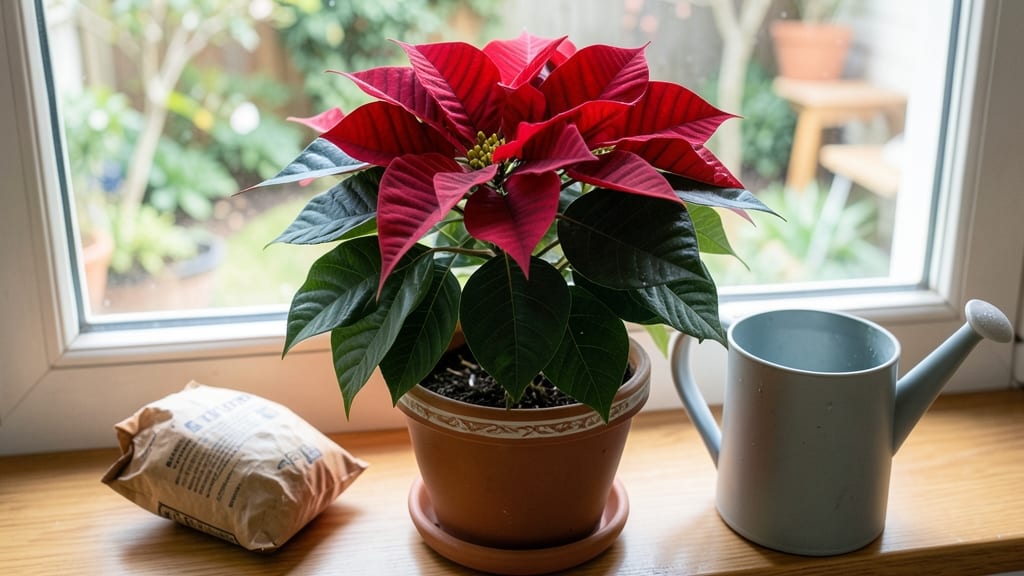
Fertilizing poinsettias means the difference between deep red bracts and sad, pale leaves by Christmas. 🌿 I’ve learned the hard way that these tropical plants need a gentle but steady diet—not too much, not too little, but just right to keep them thriving.
The secret lies in matching fertilizer type, timing, and soil health to their natural growth cycles.
Start with a balanced, water-soluble fertilizer (like 10-10-10) diluted to half-strength, applied every 2-3 weeks during active growth in spring and summer. Poinsettias hate soggy soil, so always water deeply first to prevent root burn.
Organic options like fish emulsion or compost tea work too, but they need more frequent applications to avoid nutrient gaps.
By fall, when the days shorten, cut back on fertilizer entirely—this triggers the red bracts to form. The result? Vibrant, glossy foliage that stays lush until New Year’s. Just don’t let the soil dry out completely, or those bracts will turn dull and crispy.
A little patience here pays off in bold color.
This method works for both potted poinsettias and those in garden beds, though container plants need slightly more frequent feeding. The key is consistency—no guesswork, just steady care. Ready to give your poinsettias the boost they deserve?
📚 In This Guide
- What you need
- Instructions
- Tips and common mistakes
- Wrapping up and next steps
What you need
- ● Balanced liquid fertilizer (10-10-10 or 20-20-20 NPK ratio) – 2-4 tbsp per gallon of water (adjust based on plant size).
- ○ Slow-release granular fertilizer (optional but convenient) – 1 tsp per 6-inch pot (sprinkle on soil surface).
- ● Watering can with a fine rose nozzle (for even distribution).
- ● Measuring spoon or dropper (to avoid over- or under-dosing).
- ○ pH test kit (optional but helpful—poinsettias thrive in slightly acidic soil (6.0–6.5 pH)).
- ● Healthy poinsettia plant (no wilting, yellowing leaves, or pests—treat issues before fertilizing!).
- ● Well-draining potting mix (avoid soggy soil—poinsettias hate wet feet!).
- ● Bright, indirect light (6+ hours daily—no direct sunburn!).
- ● Patience! Fertilizing too early or too late can stress your plant—aim for early spring to mid-summer.
Step-by-Step instructions for fertilizing poinsettia plants
Here's how to keep your poinsettias vibrant and blooming year after year without overdoing it.
🌱 Step 1: Choose the Right Fertilizer and Timing
Use a balanced, water-soluble fertilizer with equal NPK (like 10-10-10) specifically formulated for flowering plants. Poinsettias are sensitive to over-fertilizing, so dilute it to half-strength—this prevents salt buildup that can burn roots. I fertilize every 4-6 weeks during the active growing season (spring through early fall).
Wait until 2-3 weeks after repotting before applying fertilizer. New roots need time to establish, and feeding too soon stresses the plant. You'll know it's ready when you see fresh, dark green leaves emerging along the stems.
💧 Step 2: Apply Fertilizer During Watering
Mix the diluted fertilizer with warm water (never cold) to avoid shocking the roots. Water the plant thoroughly until it drains from the bottom of the pot—this ensures the fertilizer reaches the root zone. I use a spray bottle for the top half of the soil and pour the rest directly into the saucer to encourage even distribution.
Apply fertilizer only when the top 1-2 inches of soil feel dry. Overwatering combined with fertilizer creates a toxic cocktail for roots. If you notice crispy leaf edges or yellowing, you've overdone it—flush the soil with plain water immediately and reduce feeding frequency.
☀️ Step 3: Adjust Care for Bloom Preparation
Starting in late summer, switch to a low-nitrogen, high-phosphorus fertilizer (like 5-10-5) to encourage bud formation. Phosphorus is the key nutrient for flowering, and poinsettias need it to develop those signature red bracts. Apply this formula every 3-4 weeks until buds appear.
During this phase, keep your poinsettia in bright, indirect light for 12-14 hours daily. Too little light delays blooming, while direct sun can scorch the colorful bracts. You'll see tiny green buds forming in the leaf axils—this is your signal to maintain consistent care.
✂️ Step 4: Reduce Fertilizing After Blooming
Once the poinsettia finishes flowering (typically by late winter), cut back on fertilizer to prevent leggy growth. Switch to a low-nitrogen formula or stop fertilizing entirely until late spring. Prune spent stems back to a leaf node to encourage new growth, but avoid heavy pruning—poinsettias bloom on new wood formed later in the season.
Water sparingly during dormancy—only enough to keep the soil from drying out completely. You'll notice new shoots emerging from the base in 4-6 weeks. This is when you can resume regular feeding to support the next blooming cycle.
⏰ Step 5: Monitor and Adjust Seasonally
Check the soil moisture weekly during active growth and biweekly during dormancy. Stick your finger 1 inch deep—if it feels dry, it's time to water. Overwatering is the #1 killer of poinsettias, especially when combined with fertilizer salts. Flush the soil with plain water every 2-3 months to prevent buildup.
Watch for signs of stress: yellow leaves mean overwatering or too much fertilizer; brown edges indicate underwatering or low humidity. Poinsettias thrive in 60-75°F temperatures and 50-60% humidity. If your home runs dry, place the pot on a tray of pebbles with water to increase humidity without soggy soil.
Tips & tricks for fertilizing poinsettias
Here's what I've learned from years of keeping poinsettias—and how to avoid the most common mistakes that ruin their vibrant color.
The Timing Secret: The 4-6 week feeding schedule in Step 1 works best when you track it from the last fertilizer application, not from a fixed date. Set a reminder on your phone or mark it on your calendar right after you fertilize—this prevents overfeeding. I've ruined poinsettias by guessing, so don't make my mistake!
Soil Test Before Feeding: Before applying fertilizer every 4-6 weeks, do this quick check: Stick your finger 1 inch deep into the soil. If it feels damp, wait another week. The instructions mention checking the top 1-2 inches, but I've found poinsettias prefer slightly drier soil than many plants. This prevents that toxic fertilizer-water combo.
Seasonal Fertilizer Switch: When you transition to the low-nitrogen, high-phosphorus fertilizer in late summer (Step 3), here's the thing: I double-check the NPK ratio on the package. Some "flowering plant" fertilizers are actually balanced (like 10-10-10) rather than phosphorus-heavy. For those signature red bracts, you need that 5-10-5 ratio—don't skimp on this step!
Light and Fertilizer Connection: The 12-14 hours of bright, indirect light in Step 3 isn't just about blooming—it's also about fertilizer absorption. Poinsettias in dim rooms need less frequent feeding (every 6-8 weeks instead of 4-6) because they metabolize nutrients slower. Move your plant near a north or east-facing window if it's struggling, even if it means adjusting your fertilizer schedule slightly.
Pro Tips for Fertilizing Poinsettia Plants
- Here's what I've learned from years of keeping poinsettias—and how to avoid the most common mistakes that ruin their vibrant color.
- The Timing Secret: The 4-6 week feeding schedule in Step 1 works best when you track it from the last fertilizer application, not from a fixed date.
- Soil Test Before Feeding: Before applying fertilizer every 4-6 weeks, do this quick check: Stick your finger 1 inch deep into the soil.
Frequently asked questions
Got questions about fertilizing your poinsettias?
You’re not alone! Here are answers to the most common concerns—from timing to troubleshooting—to keep your plants thriving and those iconic red bracts bold.
When is the best time to fertilize poinsettias?
Fertilize your poinsettias after they’ve bloomed (usually in late winter) and again in early summer to encourage new growth. Avoid fertilizing during their dormant phase (fall/winter) or when they’re actively flowering—this can stress the plant. Use a balanced, water-soluble fertilizer (like 10-10-10) diluted to half-strength every 4-6 weeks during the growing season.
How often should I fertilize poinsettias?
During the active growing season (spring and summer), fertilize every 4-6 weeks with a diluted liquid fertilizer. Reduce frequency in late summer (every 8 weeks) to prep for blooming. Skip fertilizer entirely in fall/winter—this mimics their natural cycle and prevents overfeeding, which can lead to yellow leaves or poor blooms.
Can I use organic fertilizer on poinsettias?
Organic options like fish emulsion, compost tea, or worm castings work well, but dilute them to avoid nutrient burn. Poinsettias prefer consistent, low-dose feeding—organic fertilizers break down slowly, so apply them more frequently (every 2-4 weeks) during the growing season. Just ensure the soil stays moist to help nutrients absorb properly.
Why are my poinsettia leaves turning yellow after fertilizing?
Yellow leaves often signal overfertilization or root burn. Flush the soil with water to leach excess salts, then reduce fertilizer strength by half and water more thoroughly. If the problem persists, check for root rot (mushy stems) or underwatering—poinsettias hate soggy roots! Let the top inch of soil dry between waterings to prevent stress.
Will fertilizer make my poinsettia’s bracts brighter red?
Yes—but timing is key! For vibrant red bracts, fertilize lightly in early summer to boost growth, then stop feeding in late summer (8 weeks before desired bloom time). Short daylight hours (under 12 hours) trigger color change, so pair fertilizer breaks with 14+ hours of darkness (use a dark box or blanket) to maximize red intensity.
Wrapping up and next steps
Fertilizing your poinsettias doesn’t have to be complicated—just a little patience and the right balance will reward you with stunning, vibrant blooms year after year! 🌟 By choosing the right fertilizer, timing it correctly, and avoiding overfeeding, you’ll keep your poinsettias thriving and ready to dazzle during the holidays.
Ready to give your plants the love they deserve? Start with a soil test (if unsure) and pick your fertilizer—whether it’s organic, synthetic, or slow-release. Then, follow the plan and watch your poinsettias flourish! Happy gardening! 🌱