
Companion Plants
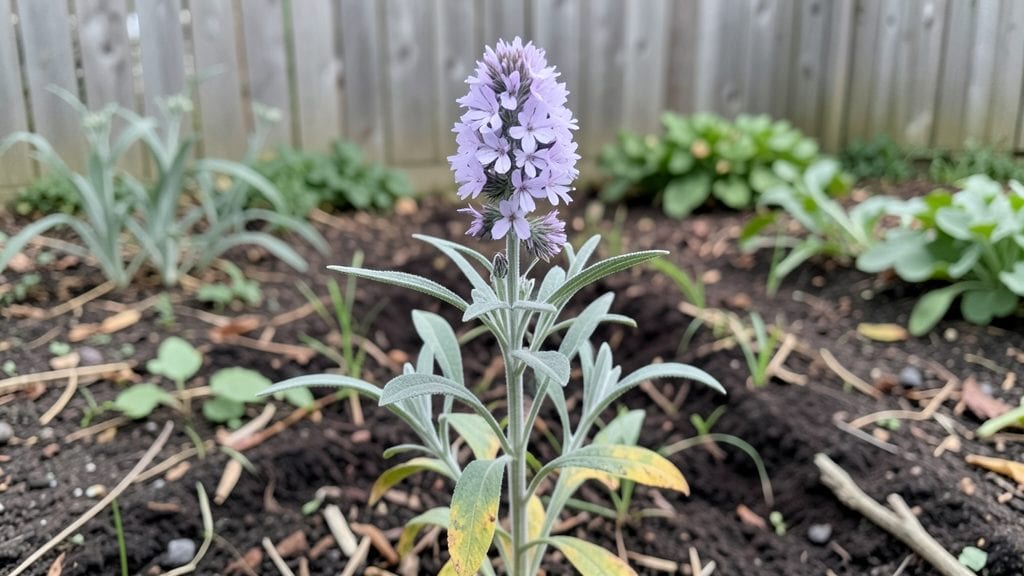
Growing flowering stock plants has given me six months of fragrant blooms where other plants give up by summer. 🌿 The secret lies in their hardiness—these plants thrive with almost no fuss, and their delicate clusters of pink, white, or purple flowers smell like a spring meadow.
Most gardeners overlook them, but once you try them, you'll wonder why you didn't start sooner.
You'll need well-draining soil, a sunny spot with at least six hours of light daily, and minimal pruning—just a light trim after each flush of blooms keeps them looking neat. Stock plants are drought-tolerant once established, making them perfect for busy gardeners or dry climates.
The key is planting them in late spring or early summer when the soil is warm but not scorching.
By mid-summer, you'll be rewarded with clusters of tiny, star-shaped flowers that attract pollinators and fill the air with a sweet, honey-like scent. The plants stay compact, rarely exceeding 18 inches tall, so they fit neatly into borders, containers, or even window boxes.
Their resilience means fewer pests and diseases than fussy annuals.
Whether you're filling a cottage garden bed or adding fragrance to a patio container, stock plants deliver low-maintenance beauty that keeps giving. Here's how to make them thrive in your space—no green thumb required.
📚 In This Guide
- What you need
- Instructions
- Tips and common mistakes
- Wrapping up and next steps
What you need
- ● Flowering Stock Seeds or Plants: Choose Matthiola incana varieties (e.g., 'Giant Mixed,' 'Terracotta,' or 'Pink Beauty'). Buy seeds (50–100 for a small garden) or 3–6 young plants from a nursery.
- ● Well-Draining Soil: A mix of 50% potting soil, 30% perlite or coarse sand, and 20% compost (1–2 bags per container or garden bed).
- ● Containers or Garden Bed: Containers: 6–12" deep pots (3–5 plants per 12" pot) with drainage holes.
- ● Garden Beds: Full sun (6+ hours/day) with loose, rocky soil (stock hates soggy roots!).
- ● Fertilizer: Balanced 10-10-10 or 5-10-10 granular fertilizer (1 tbsp per plant at planting, then monthly).
- ● Watering Can or Hose with Nozzle: For gentle, bottom-watering (avoid wetting foliage to prevent disease).
- ● Pruning Shears: Sharp, bypass-style shears for deadheading (e.g., Felco Classic or Fiskars).
- ● Gloves: Lightweight gardening gloves to protect hands from thorns (some varieties have them!).
- ● pH Test Kit: Ensure soil pH is 6.0–7.0 (stock prefers slightly acidic to neutral).
- ● Mulch: 1–2" of gravel or pebbles (retains moisture and mimics their natural habitat).
- ○ Grow Lights (Optional): LED full-spectrum lights (12–14 hours/day) for indoor winter growing.
Step-by-Step guide to cultivating low-maintenance flowering stock plants
Here’s how to grow vibrant, long-blooming stock plants that thrive with minimal fuss.
🌱 Step 1: Select and Prepare the Right Containers
Choose 6-inch diameter pots with drainage holes—stock plants despise soggy roots, and proper drainage prevents rot. I prefer terracotta because it breathes and helps regulate moisture. Fill each pot with 2 gallons of well-draining potting mix, leaving 1 inch of space at the top to avoid spills during watering.
Gently loosen the soil with your fingers to break up any compaction. Stock plants have delicate roots, so you’ll want the mix to be airy enough for them to establish quickly. Tap the pot lightly on the table to settle the soil evenly—this prevents air pockets that could stunt early growth.
☀️ Step 2: Plant and Position for Optimal Light
Remove each stock plant from its nursery pot and tease the roots apart if they’re circling. Place the plant in its new container so the top of the root ball sits ½ inch below the rim—this gives stability without burying the stem. Firm the potting mix around the base, pressing lightly to eliminate gaps.
Stock plants crave full sun (6+ hours daily) but tolerate partial shade (4-6 hours) in hot climates. Position pots where they’ll receive morning sun and afternoon shade if temperatures exceed 85°F. You’ll see the first flush of blooms within 4-6 weeks if light conditions are right—watch for buds forming along the stems.
💧 Step 3: Water and Fertilize for Consistent Blooms
Water deeply until 1 inch of soil feels moist—stock plants wilt dramatically when thirsty but recover quickly if caught early. Let the top ½ inch dry out between waterings to prevent root rot. I use a balanced liquid fertilizer (10-10-10) every 4 weeks during the growing season (spring through fall) to encourage steady flowering.
Deadhead spent blooms by pinching off flowers just above a set of leaves—this redirects energy to new growth. I do this every 2 weeks to keep plants bushy and prolific. If leaves yellow, it’s often a sign of overwatering; adjust by letting the soil dry out more between sessions.
✂️ Step 4: Prune Strategically for Year-Round Growth
After the first flush of blooms fades, trim back ⅓ of the plant’s height to encourage branching. Use clean, sharp scissors to make cuts at a 45-degree angle just above a leaf node—this prevents water from pooling on the stem. Prune in early spring to stimulate new growth before the heat sets in.
In late summer, give plants a light haircut by trimming leggy stems back to 3-4 inches above the base. This rejuvenates woody stock and prevents them from becoming top-heavy. You’ll notice fresh, vigorous shoots within 2-3 weeks, setting the stage for a second round of blooms by fall.
🪴 Step 5: Overwinter for Next Season’s Blooms
As temperatures drop below 50°F, move pots indoors near a south-facing window or under grow lights (12 hours daily). Reduce watering to every 10-14 days, letting the soil dry more thoroughly between sessions. Stock plants go semi-dormant in winter but stay alive with minimal care.
In late winter, fertilize lightly with half-strength fertilizer to wake up roots. Prune again to remove any dead or weak stems, then resume regular watering and sunlight. By early spring, you’ll see fresh growth—proof that your stock plants are ready for another season of vibrant blooms.
Tips & tricks for perfect flowering stock plants
These subtle adjustments will transform your stock plants from struggling survivors to showstopping bloomers with minimal effort.
Container Selection: Terracotta pots aren't just my preference—they're essential for stock plants. The porous material wicks away excess moisture, preventing the root rot that plagues plastic containers. If you must use plastic, drill extra drainage holes at the bottom. I've also found that slightly larger pots (7-inch diameter) give roots more room to establish without overwhelming the plant, especially in Step 1 when you're preparing containers.
Light Positioning: The 6+ hours of full sun in Step 2 is non-negotiable, but here's what nobody tells you: stock plants actually prefer morning sun with afternoon shade in hot climates. If your area exceeds 85°F, move pots to a location that gets morning light and afternoon shade—this prevents the flowers from cooking in the heat. I've seen stock plants bolt (go to seed) when exposed to unrelenting afternoon sun, even when they've received the full 6 hours.
Watering Technique: That 1-inch deep watering in Step 3 should be done at the base, not overhead. Watering from above can splash soil onto leaves, creating perfect conditions for fungal diseases. I use a watering can with a narrow spout to direct water precisely where it's needed. Also, check moisture by sticking your finger 1 inch into the soil—if it feels dry, water; if it's damp, wait. This method prevents both underwatering and overwatering.
Pruning Timing: The early spring pruning in Step 4 is critical for encouraging branching, but don't cut too late in the season. I've learned the hard way that pruning after late summer can stimulate new growth that won't have time to harden off before winter. Aim to finish all major pruning by early September to give new shoots time to mature before the cold sets in.
Pro Tips for Flowering Stock Plants
- These subtle adjustments will transform your stock plants from struggling survivors to showstopping bloomers with minimal effort.
- Container Selection: Terracotta pots aren't just my preference—they're essential for stock plants.
- Light Positioning: The 6+ hours of full sun in Step 2 is non-negotiable, but here's what nobody tells you: stock plants actually prefer morning sun with afternoon shade in hot climates.
Frequently asked questions
Got questions about keeping flowering stock plants thriving with minimal fuss?
You’re not alone! Here are answers to the most common queries—from timing tips to troubleshooting tricks—so you can enjoy those cheerful blooms all year long.
When is the best time to plant flowering stock for continuous blooms?
For year-round color, plant flowering stock in early spring (after the last frost) or late summer (6–8 weeks before your first frost). This timing ensures strong root establishment before extreme weather. In mild climates, you can even plant in fall for winter blooms! Just avoid planting when temps drop below 50°F (10°C).
How often should I water flowering stock plants?
Water deeply but infrequently—about once a week (or more in extreme heat). Let the top 1–2 inches of soil dry out between waterings to prevent root rot. Mulching helps retain moisture, reducing your workload. Pro tip: Water at the base of the plant (not the leaves) to avoid fungal issues.
Can I grow flowering stock in containers, or do they need a garden bed?
Flowering stock thrives in containers (5+ gallon pots work well) as long as they have drainage holes and well-draining soil. Just ensure they get 6+ hours of sunlight daily and repot every 2–3 years. Containers also make them mobile—move them to follow the sun or protect from frost!
What pests or diseases should I watch for, and how do I fix them?
Common issues include:
- Aphids/spider mites: Spray with neem oil or blast off with water.
- Powdery mildew: Improve airflow, avoid overhead watering, and treat with baking soda spray (1 tsp baking soda + 1 quart water + drop of soap).
- Root rot: Stop watering, trim affected roots, and repot in fresh, dry soil.
Prevention? Healthy plants = fewer pests! Deadhead regularly and avoid overcrowding.
Do flowering stock plants really need minimal pruning?
Yes! Prune only to:
- Remove dead or yellowing blooms (deadheading encourages more flowers).
- Trim leggy stems in early spring to shape the plant.
- Cut back 1/3 of the plant after the first frost in cold climates (they’ll bounce back!).
Skip heavy pruning—stock plants bloom on new growth, so less cutting = more flowers!
Wrapping up and next steps
Growing flowering stock plants is a rewarding way to enjoy vibrant blooms with minimal fuss—perfect for gardeners of all levels! 🌸 These hardy companions thrive with basic care, offering year-round color while requiring little pruning.
Whether you’re a busy bee or a green thumb, their resilience and beauty make them an ideal addition to any garden or patio.
Ready to dive in? Start by choosing your favorite varieties and giving them a sunny spot to shine. Your next step: Grab your shears, pick a plant, and let the blooms do the rest—happy gardening! 🌿