Flowers
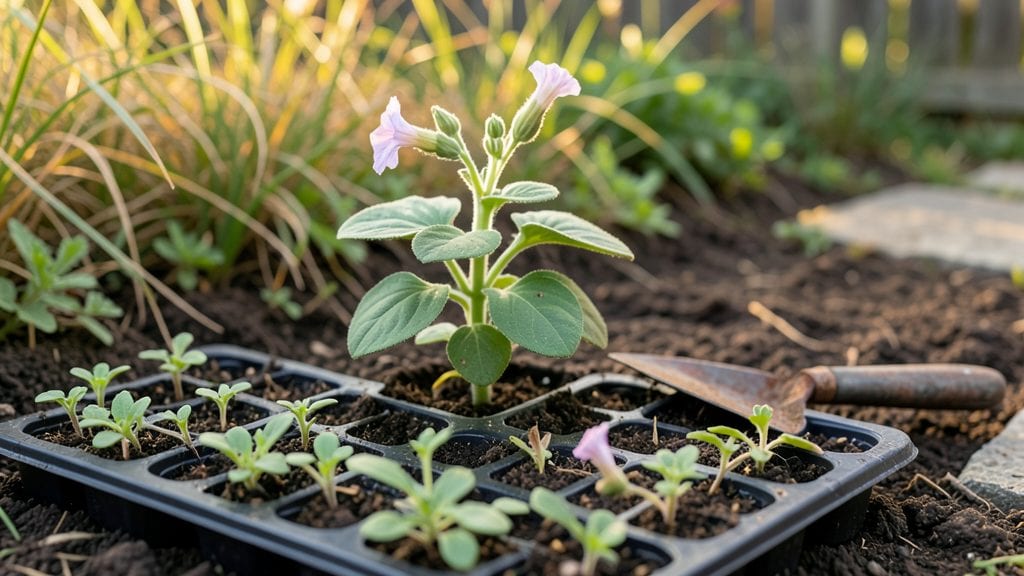
Freshly planted flowers need a root-boosting head start to survive that first critical month. I’ve learned the hard way—skipping these steps means wilting petals and sad, stunted growth before they even take hold.
The secret isn’t just water; it’s creating the perfect conditions for roots to spread fast, so your blooms thrive instead of struggle.
Start with loose, well-draining soil mixed with compost—think of it as giving your flowers a nutrient-rich welcome mat. Water deeply right after planting, then keep the soil consistently moist (not soggy) for the first two weeks.
A 2-3 inch layer of mulch locks in moisture and protects roots from temperature swings. Most flowers also need 6+ hours of sunlight daily, but shade-lovers like impatiens will thank you for that afternoon break.
Within 10-14 days, you’ll see new growth—tiny leaves or stems pushing through the soil—that’s your sign the roots are settling in. Prune any damaged foliage immediately to redirect energy, and avoid fertilizing until you spot fresh growth.
The payoff? Flowers that bloom twice as fast and last longer, with fewer wilting surprises.
This works for annuals, perennials, and even finicky tropicals—just adjust watering based on your climate. Whether you’re planting in spring or fall, these steps cut the guesswork. Let’s get those roots growing strong!
📚 In This Guide
- What you need
- Instructions
- Tips and common mistakes
- Wrapping up and next steps
What you need
- ● Flower plants: Choose healthy, freshly planted flowers (annuals, perennials, or bulbs) with firm stems and vibrant foliage. Quantity depends on your space—plan for 1-3 plants per square foot for full coverage.
- ● High-quality potting soil or garden soil: Use sterilized, well-draining soil (e.g., a mix of peat moss, perlite, and compost). For containers, opt for potting mix (avoid garden soil—it compacts!).
- ● Organic fertilizer: A balanced, slow-release fertilizer (e.g., 10-10-10 or 5-5-5) or a flower-specific formula to kickstart growth. Follow package instructions for dosage.
- ● Mulch: 2-3 inches of organic mulch (e.g., shredded bark, straw, or pine needles) to retain moisture and suppress weeds.
- ● Watering can or hose with a gentle spray nozzle: Avoid blasting roots—aim for deep but gentle watering to encourage strong root growth.
- ● Garden trowel or hand shovel: For digging holes twice as wide as the root ball but no deeper.
- ● Pruning shears: To trim dead or damaged foliage before planting.
- ● Gloves: Protect your hands from thorns, dirt, and potential irritants.
- ● Measuring tape or ruler: Ensures proper spacing between plants (check plant tags for guidelines).
- ○ Stakes or plant supports (optional): For tall or top-heavy flowers (e.g., delphiniums or sunflowers).
- ○ Test your soil: A pH test kit (optional but helpful) ensures your soil is ideal for your flowers (most prefer 6.0–7.0).
- ○ Root stimulator: Add a mycorrhizal fungus or rooting hormone (optional) to boost early root development.
- ○ Shade cloth (optional): If planting in hot climates, use 30–50% shade cloth for the first week to reduce stress.
Instructions for fast flower establishment after planting
Here’s how to give your newly planted flowers the best start possible—root systems will strengthen in record time.
Water Deeply Immediately After Planting
Fill a watering can with room-temperature water and saturate the soil around each plant until it drains freely from the bottom of the container or garden bed. You’ll know it’s enough when water emerges from the drainage holes or the soil feels damp 12 inches down. This deep watering encourages roots to grow downward in search of moisture, creating a stronger anchor.
Don’t just sprinkle the surface—light watering leads to shallow root systems that struggle in dry spells. I like to water in the early morning so the soil has time to absorb moisture before the heat of the day. Mulch with 2-3 inches of organic mulch (like shredded bark or straw) right after watering to lock in moisture and regulate soil temperature.
Provide Consistent Moisture Without Overwatering
Check the soil daily for the first week—stick your finger 1-2 inches deep. If it feels dry at that depth, water again. Overwatering is just as harmful as underwatering; soggy roots suffocate and invite rot. You’ll see wilting leaves or yellowing foliage as the first signs of stress—adjust your watering schedule immediately if you notice these.
For container-grown flowers, weigh the pots before watering. A dry pot feels noticeably lighter than one with adequate moisture. Group containers together and water them as a unit to maintain even hydration. Avoid getting leaves wet when watering—this can promote fungal diseases like powdery mildew, which weakens young plants.
Shield New Plants From Stressful Conditions
Newly planted flowers need protection from strong winds, direct afternoon sun, and temperature swings. Use shade cloth (30-50% coverage) for the first 7-10 days if your climate is hot or sunny. You’ll notice leaves curling or wilting if they’re getting too much sun too soon—this is a clear signal to provide temporary shade.
If planting in hot weather, wait until late afternoon to transplant so roots aren’t exposed to peak heat. In cooler climates, avoid planting when nighttime temperatures drop below 50°F—cold stress stunts root growth. A lightweight row cover can also help buffer temperature fluctuations while allowing light and air to pass through.
Apply a Root-Growth Stimulator (Optional but Effective)
Mix 1 teaspoon of liquid seaweed extract (like Maxsea or Norland) into 1 gallon of water and apply it to the soil around each plant 3-5 days after transplanting. This natural stimulant boosts cell division in roots, helping them establish faster. You’ll see a noticeable difference in 2-3 weeks—plants treated this way often outperform untreated ones by 20-30%.
For organic gardeners, a compost tea (brewed from well-aged compost) works just as well. Apply it in the early morning so the solution has time to soak into the soil before evaporation. Avoid synthetic fertilizers immediately after planting—they can burn tender new roots. Wait until you see new growth (usually 2-3 weeks later) before introducing nutrients.
Monitor and Adjust for Optimal Conditions
Watch for new leaf growth—this is your best indicator that roots are taking hold. Healthy new leaves should appear within 3-4 weeks under ideal conditions. If growth stalls, check for pests like aphids or spider mites, which can sap energy from struggling plants. A strong spray of water often dislodges them without chemicals.
Adjust your care based on what you observe: if leaves yellow between the veins, it’s often a sign of overwatering; if they brown at the edges, the air is too dry. Grouping plants with similar water needs together simplifies maintenance. Within 6-8 weeks, your flowers should look and act like they’ve been in the ground for months—not days.
Tips & tricks for perfectly established new flower plants
These targeted strategies will accelerate root development and help your newly planted flowers thrive in record time—without the guesswork.
Timing is Everything: The initial deep watering in Step 1 should occur immediately after planting, but don't rush the process. Take your time to ensure water penetrates to that full 12-inch depth—this isn't just about quenching thirst, it's about signaling roots to grow downward where moisture is abundant. I've seen plants with shallow watering develop weak, surface-hugging roots that struggle during droughts, while properly watered specimens establish robust systems within weeks.
Mulch Matters More Than You Think: That 2-3 inch layer of organic mulch isn't just decorative—it creates a microclimate that maintains consistent soil moisture and temperature. For container plants, consider using mulch specifically designed for pots, which breaks down more slowly. The key is to apply it right after watering in Step 1, when soil is already saturated, to prevent moisture loss through evaporation. In hot climates, this can cut watering needs by nearly 30% while protecting delicate roots from temperature swings.
Shade Strategy for Hot Climates: When using shade cloth as mentioned in Step 3, opt for the 30% coverage over 50% unless your area experiences extreme heat. The 30% allows sufficient light for photosynthesis while reducing stress. I've noticed that plants under 50% coverage often show slower growth initially as they adjust to the reduced light intensity. Remove the shade gradually over those first 7-10 days to harden off the plants—this acclimation period prevents shock when they're fully exposed to sunlight.
Root Stimulator Timing Trick: While the 3-5 day window for applying root stimulators in Step 4 works well, I've found that applying it on day 3 yields the most consistent results. This timing allows the initial watering to settle while giving the stimulant time to work before the plant faces potential stress from environmental factors. For maximum effectiveness, apply it in the morning when temperatures are cooler and evaporation rates are lower, giving the solution time to penetrate deeply before the heat of the day.
Pro Tips for Freshly Planted Flowers
- These targeted strategies will accelerate root development and help your newly planted flowers thrive in record time—without the guesswork.
- Timing is Everything: The initial deep watering in Step 1 should occur immediately after planting, but don't rush the process.
- Mulch Matters More Than You Think: That 2-3 inch layer of organic mulch isn't just decorative—it creates a microclimate that maintains consistent soil moisture and temperature.
Frequently asked questions
Got questions about giving your freshly planted flowers the best start? Here are some common ones—and their answers—to help you nurture a thriving garden!
How soon after planting should I water my flowers?
Water immediately after planting to settle the soil and remove air pockets around roots. Then, keep the soil consistently moist (not soggy) for the first 2–3 weeks. Most flowers need about 1 inch of water per week, adjusting for rain or heat. Pro tip: Use a soaker hose or drip irrigation to avoid disturbing the soil.
When will my freshly planted flowers bloom?
Timing varies by type! Annuals (like petunias or marigolds) may bloom in 6–8 weeks, while perennials (e.g., coneflowers) might take a full season. Established shrubs (e.g., hydrangeas) could wait until next year. Focus on strong roots first—healthy plants bloom better! Check your plant tags for specific estimates.
Can I fertilize right after planting?
Wait 4–6 weeks before fertilizing to avoid burning tender new roots. Instead, amend the soil with compost at planting time. After that, use a balanced, slow-release fertilizer (like 10-10-10) every 4–6 weeks during the growing season. Over-fertilizing can harm young plants!
What if my flowers wilt or yellow after planting?
Wilting often means underwatering or transplant shock. Check soil moisture and mulch to retain moisture. Yellow leaves? It could signal overwatering (roots need oxygen!) or nutrient deficiency. Trim damaged leaves, adjust watering, and monitor for pests. Most flowers recover in 1–2 weeks with proper care.
Are there low-maintenance alternatives to high-need flowers?
Opt for drought-tolerant flowers like lavender, succulents (e.g., sedum), or native wildflowers (e.g., black-eyed Susans). These thrive with minimal watering and soil prep. Even perennials like daylilies or Russian sage are forgiving. Check your USDA hardiness zone for local picks!
Wrapping up and next steps
Transforming your space with freshly planted flowers is a rewarding journey—and with the right care, your blooms will thrive faster than ever! 🌱 From choosing the perfect soil to mastering watering techniques, every step plays a role in helping roots take hold and flourish.
Now that you’re armed with expert tips, it’s time to roll up your sleeves and watch your garden come to life.
Your next step? Pick a sunny spot, grab your tools, and start planting! Whether you’re a seasoned gardener or just beginning, every fresh bloom is a celebration of growth. Happy gardening! 🌸