
Companion Plants
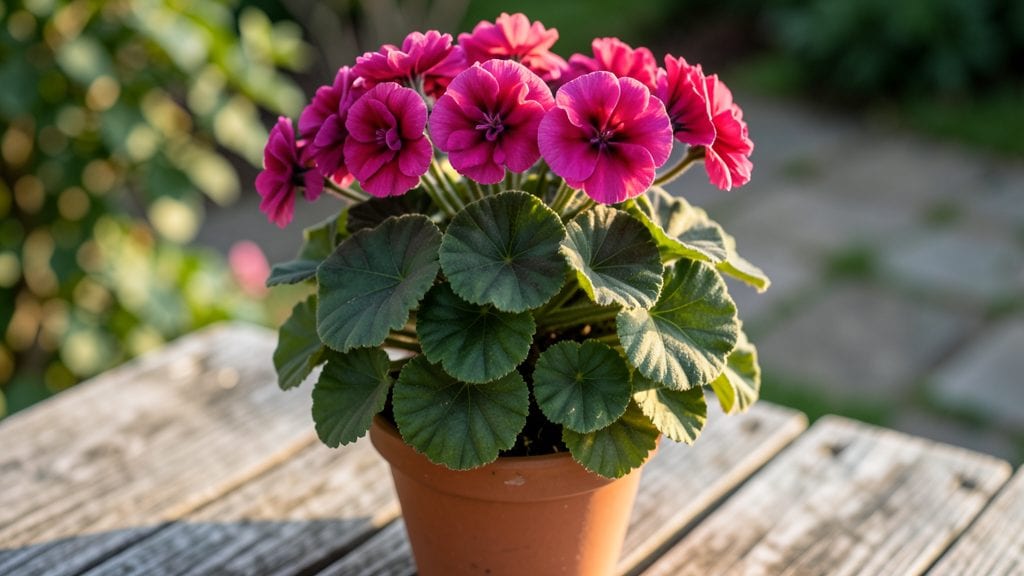
The geranium family plants bring effortless beauty to gardens with their fragrant foliage and long-lasting blooms. 🌿 I’ve grown everything from hardy geraniums to zonal pelargoniums, and they’ve never failed to deliver—whether tucked in shade or basking in full sun. Their versatility is what makes them a gardener’s secret weapon.
These plants thrive in well-draining soil and prefer moderate watering, though some varieties like pelargoniums tolerate drought once established. Hardy geraniums, like the classic Geranium macrorrhizum, spread like ground covers, while pelargoniums add vibrant color to containers and borders.
The key is matching the right type to your space—whether that’s a sunny patio or a dappled woodland garden.
You’ll love how they reward care with lush foliage and continuous blooms from spring to frost. Pruning spent flowers keeps them flowering longer, and cuttings root easily for free new plants. Even beginners can’t go wrong with these hardy, adaptable perennials.
Perfect for borders, containers, or even hanging baskets, geranium family plants add texture and fragrance without the fuss. Let’s dive into the varieties that will transform your garden this season—whether you’re a sun-worshipper or shade-lover.
📚 In This Guide
- What you need
- Instructions
- Tips and common mistakes
- Wrapping up and next steps
What you need
- ● Geranium family plants: 3–5 nursery-grown plants (choose varieties like Geranium macrorrhizum or Pelargonium graveolens for fragrance).
- ● Well-draining potting mix: 1–2 bags (5–10 lbs each) of organic compost blended with perlite or sand (for containers).
- ● Fertilizer: Slow-release granular fertilizer (10-10-10 ratio) or organic compost tea for a natural boost.
- ● Mulch: 2–3 inches of wood chips or straw to retain moisture and suppress weeds.
- ● Garden trowel or hand shovel (for transplanting).
- ● Pruning shears (sharp, sterilized for trimming).
- ● Gloves (to protect hands from thorns or soil).
- ● Watering can or hose with a gentle nozzle (avoid over-saturating roots).
- ○ Optional: Container pots (6–8 inches deep) with drainage holes for patio gardening.
- ● pH testing kit (to ensure soil pH is 6.0–7.0, ideal for geraniums).
- ● Stakes or cages (for tall varieties like Geranium sanguineum).
- ● Sunlight assessment: Identify a spot with partial shade to full sun (6+ hours/day for most geraniums).
- ● Soil prep: Loosen soil 12 inches deep if planting in-ground (geraniums hate compacted soil!).
- ● Water source: Ensure easy access for consistent (but not soggy) watering.
- ● Patience: Geraniums thrive with minimal fuss—just avoid overcrowding!
How to cultivate fragrant Geranium family plants for year-round blooms
Here's my go-to approach for growing hardy, fragrant geraniums that reward you with vibrant blooms and intoxicating scents.
🌱 Step 1: Select and Prepare the Right Location
Geraniums thrive in well-draining soil with 6-8 hours of sunlight for most varieties, though some shade-tolerant types like Geranium macrorrhizum handle partial shade beautifully. I always test soil drainage first—dig a 6-inch hole, fill it with water, and time how long it takes to drain. If water lingers past 2 hours, amend with 2-3 inches of compost or sand to improve aeration.
The key here is avoiding soggy roots. These plants despise wet feet, so raised beds or containers with drainage holes are ideal. If planting in ground, choose a spot with slightly elevated soil—never a low-lying area where water pools. I mark the location with stakes before digging to ensure even spacing of 18-24 inches apart for mature plants.
☀️ Step 2: Plant at the Right Time and Depth
For spring planting, wait until after the last frost when soil warms to 60°F or above. If transplanting established plants, do it in early fall for root establishment before winter. Dig a hole twice as wide as the root ball but only as deep—geraniums hate being buried too deeply, which encourages rot.
Loosen the root ball gently if pot-bound, then place the plant so the top of the root ball sits level with the surrounding soil. Fill the hole with pre-moistened potting mix (never dry soil) and press lightly around the base. Water deeply until moisture seeps 2 inches below the surface. The first flush of new leaves tells me the plant has settled in successfully.
💧 Step 3: Water Strategically for Fragrant Blooms
Geraniums are drought-tolerant once established, but consistent moisture during the first 30 days ensures strong root growth. Water deeply 1-2 times per week, aiming for 1 inch of water per week—more in extreme heat. I always water at the base, avoiding leaves to prevent fungal issues. You'll know you're doing it right when the top inch of soil feels dry before the next watering.
Reduce watering in late summer to encourage dormancy in perennial types. Overwatering now causes bloom rot and weak stems. Mulch with 2 inches of shredded bark to retain moisture while suppressing weeds. The mulch should look evenly spread without piling against stems.
✂️ Step 4: Prune for Continuous Blooms and Fragrance
Deadhead spent blooms weekly to prolong flowering and redirect energy into new growth. Pinch back leggy stems by one-third in early summer to encourage bushier, more fragrant foliage. I always use clean, sharp pruners to avoid tearing stems—geraniums bleed sap when cut, which can invite disease.
For shade-tolerant varieties, prune lightly in spring to remove any winter-damaged growth. The goal is to maintain an open, airy structure that allows light and air to circulate. You'll see a surge of new growth within 7-10 days of pruning, signaling the plant is responding well.
🌿 Step 5: Overwinter Perennials Properly
In USDA Zones 5-7, perennial geraniums like Geranium sanguineum need winter protection. Cut back foliage by half in early fall, then mound 4-6 inches of straw mulch over the crown. In Zones 8-10, minimal protection suffices—just reduce watering and let the plant go dormant naturally.
Spring returns bring the first sign of life: tiny green shoots pushing through the mulch. Remove the mulch gradually over 2-3 weeks to avoid shocking the plant. You'll notice new leaves emerge within 3-4 weeks, ready for another season of fragrant blooms.
Tips & tricks for perfect fragrant Geranium cultivation
These insider tricks will help you cultivate geraniums that burst with fragrance and stay vibrant year after year—no green thumb required.
Soil Test Strategy: That 2-hour drainage test in Step 1 is your secret weapon. I've seen geraniums fail spectacularly in soil that seemed fine until water pooled after 2 hours. For containers, use a mix of 50% potting soil and 50% perlite—this ensures drainage while holding enough moisture for those first critical 30 days. The key is mimicking their natural rocky Mediterranean habitats where water drains quickly.
Planting Depth Secret: When placing your geranium in Step 2, imagine the root ball's top sitting exactly where the soil meets the plant's lowest leaves. Burying too deeply suffocates the crown, while planting too shallow exposes roots to temperature swings. I use a small stake to mark the ideal depth before digging—the perfect reference point when backfilling. This simple trick prevents the most common planting mistake I see.
Watering Technique: The 1-inch weekly watering guideline in Step 3 is perfect, but here's the pro move: use a rain gauge or tuna can to measure. I place mine near my plants and fill it weekly—when it's empty, that's your cue. For containers, check weight instead: a dry 5-gallon pot can weigh 10 pounds less than when saturated. This method prevents both underwatering (stressed plants) and overwatering (root rot).
Pruning Timing: That weekly deadheading in Step 4 works wonders, but here's what nobody tells you—prune in the morning. The sap flows most actively then, so cuts heal faster and the plant has all day to recover before nighttime humidity sets in. For shade varieties, I wait until new growth appears after pruning before removing any more stems. This ensures you're never cutting into next season's blooms.
Pro Tips for Geranium Family Plants
- These insider tricks will help you cultivate geraniums that burst with fragrance and stay vibrant year after year—no green thumb required.
- Soil Test Strategy: That 2-hour drainage test in Step 1 is your secret weapon.
- Planting Depth Secret: When placing your geranium in Step 2, imagine the root ball's top sitting exactly where the soil meets the plant's lowest leaves.
Frequently asked questions
Got questions about geranium family plants?
Whether you're a seasoned gardener or just starting out, these Pelargonium and Geranium favorites are full of surprises. Here are some of the most common queries—and their answers—to help you grow with confidence!
Are geranium family plants easy to grow for beginners?
Most geraniums (like Pelargonium varieties) are low-maintenance and thrive with basic care. They love well-draining soil, moderate watering, and plenty of sunlight—though some tolerate partial shade. Start with hardy varieties like Geranium macrorrhizum (creeping geranium) for foolproof results. Pro tip: Deadhead spent blooms to encourage more flowers!
Can geraniums survive in full shade?
It depends on the type! True geraniums (genus Geranium) often handle shade better than Pelargoniums, which prefer bright light. For shady spots, choose woodland varieties like Geranium phaeum (dusky cranesbill) or Geranium nodosum. If your plants look leggy or stop blooming, they might need more light. Try this: Rotate pots occasionally to ensure even exposure.
How do I keep pests away from my geraniums?
Geraniums are generally pest-resistant, but aphids, spider mites, or whiteflies can still show up. Prevent issues with:
- Neem oil spray (natural and effective!)
- Encouraging beneficial insects like ladybugs
- Avoiding overwatering (which attracts pests)
Do geraniums come back every year, or are they annuals?
It depends on the climate and type! Pelargoniums (like zonal or ivy geraniums) are often grown as annuals in cold zones but can be overwintered indoors. True geraniums (like hardy geraniums) are perennials in USDA zones 4–9. In colder areas, dig up tubers or cuttings in fall and replant next spring. Save time: Label pots to track varieties!
What’s the best alternative if my geraniums aren’t thriving?
If your geraniums struggle with disease, pests, or poor growth, try these low-maintenance alternatives in the same family or with similar needs:
- Coleus – Vibrant foliage, shade-tolerant, and pest-resistant.
- Heuchera (coral bells) – Hardy, colorful leaves, and drought-tolerant.
- Lobelia – Great for borders, loves moisture, and attracts pollinators.
- Salvia – Drought-resistant, blooms all season, and deer-resistant!
Wrapping up and next steps
From vibrant pelargoniums to hardy cranesbills, the geranium family offers a treasure trove of fragrant, low-maintenance perennials perfect for almost any garden spot—sun or shade! 🌿 Whether you’re drawn to their show-stopping blooms, aromatic leaves, or versatile companion benefits, these plants are a gardener’s dream.
With the right care (and maybe a few pro tips from our FAQs!), you’ll be well on your way to a thriving, scent-filled oasis.
Ready to dive in? Start small! Pick one variety that excites you—like the sweet-scented pelargonium or the easygoing cranesbill—and let your green thumb shine. Happy planting! 🌱