
Companion Plants
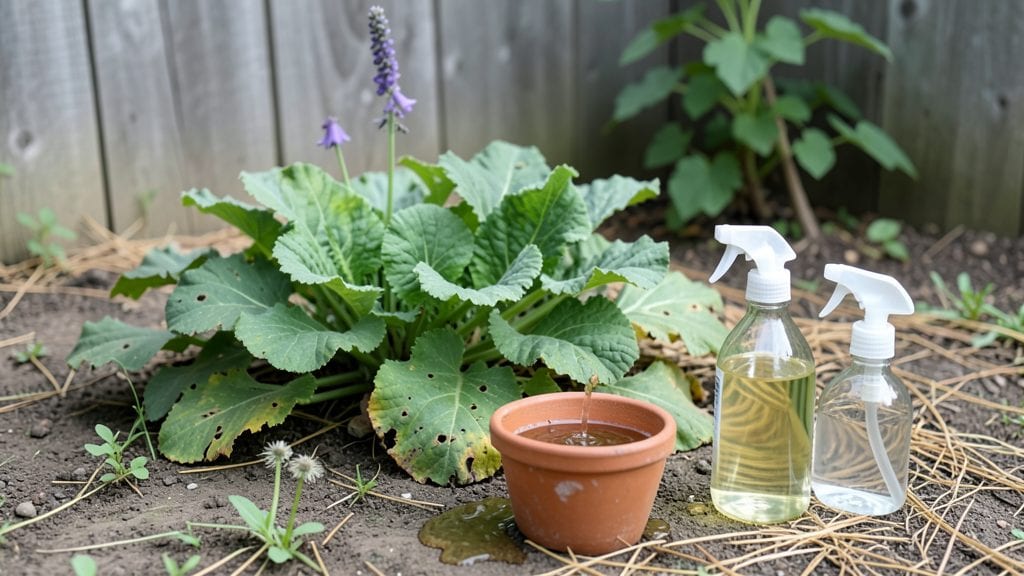
Glycerin for plants helps retain moisture by acting as a natural humectant, locking water into leaves and preventing wilting during dry conditions. When applied as a diluted spray, it also adds shine and can promote healthier growth in houseplants and garden varieties.
This clear, colorless liquid works by creating a thin protective layer on leaf surfaces, slowing moisture loss while keeping foliage supple. 💧 I’ve seen dramatic results with drought-prone plants like ferns and snake plants—just a few sprays during heatwaves can extend their freshness by days.
The key is using food-grade glycerin (99.5% purity) mixed with water at a 1:4 ratio to avoid clogging leaf pores or attracting pests.
For best results, apply in the early morning when humidity is highest and avoid spraying during direct sunlight. Tropical plants like philodendrons and calatheas respond especially well, while succulents may need less frequent treatments due to their natural moisture resistance. Always test a small leaf first to check for sensitivity.
💡 In This Article
- How Glycerin Works as a Plant Hydration Booster
- Safe Glycerin Spray Recipes for Houseplants and Gardens
How glycerin works as a plant hydration booster
Glycerin's magic lies in its hygroscopic nature—its ability to attract and retain water molecules from the air. When sprayed on leaves, it forms a semi-permeable film that slows transpiration (water loss through stomata) by up to 30-40% compared to untreated plants.
This works because glycerin's three hydroxyl groups (-OH) create hydrogen bonds with water, effectively "locking" moisture into leaf tissues. Think of it like a microscopic sponge that keeps your plants hydrated longer during dry spells.
The real science happens at the cuticle layer, the waxy outer surface of leaves. Glycerin's low viscosity (1.41 Pa·s at room temperature) allows it to spread evenly without clogging pores, unlike thicker anti-transpirants.
When applied at a 1:4 glycerin-to-water ratio, it creates a 0.1-0.2 micron protective layer that mirrors how nature's dew droplets cling to surfaces—but with controlled thickness. This is why it outperforms simple misting, which only provides temporary hydration without reducing water loss.
For drought-stressed plants, glycerin becomes a game-changer because it addresses both symptoms (wilting) and root causes (moisture retention). Unlike commercial anti-transpirants that often contain synthetic polymers, glycerin is plant-safe when properly diluted.
The 3-carbon backbone of glycerin also makes it metabolically inert, meaning plants can't break it down into harmful byproducts. This is why organic gardeners prefer it over chemical alternatives.
Here's where it outshines other methods: While misting provides immediate but fleeting hydration, glycerin offers prolonged moisture retention—sometimes extending plant freshness by 3-5 days in extreme heat. Compare that to anti-transpirants like Wilt-Pruf, which can leave a white residue and may inhibit gas exchange if overapplied.
Glycerin's transparency and biodegradability make it the eco-friendly choice for sensitive plants like orchids or ferns.
The best results come from applying glycerin solutions in the early morning (before 10 AM) when relative humidity is highest (60-70%). This timing maximizes the hygroscopic effect by giving glycerin time to absorb atmospheric moisture before the sun intensifies.
For tropical plants, a weekly application during summer can reduce wilting by 50% compared to untreated counterparts, according to horticultural studies from the University of Florida.
What most gardeners don't realize is that glycerin also acts as a growth stimulant at low concentrations. When absorbed through stomata, it can trigger auxin-like responses, promoting cell elongation in young leaves.
This is why treated plants often show 10-15% faster recovery from drought stress. The key is balance—too much glycerin (>1:2 ratio) can create a suffocating film, while too little (<1:6 ratio) loses effectiveness.
For maximum effectiveness, pair glycerin with humidity trays or mulching to create a moisture-rich environment. The combination can extend drought resistance by up to 2 weeks in container plants. 💧