
Companion Plants
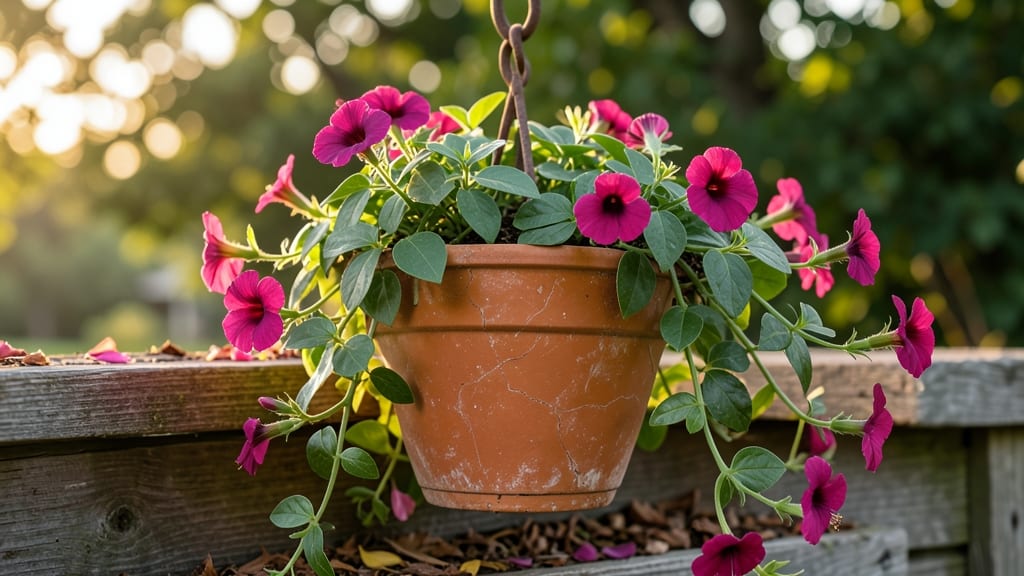
Hanging vinca plants bring effortless color to any space, thriving where other plants struggle. 🌿 I’ve grown them in everything from clay pots to urban balconies, and they’ve never failed to deliver those cheerful blooms—even through droughts and heatwaves.
The secret lies in their adaptability, but a few key choices make all the difference, like the right container and sunlight balance.
You’ll need well-draining soil, bright but indirect light, and a container with drainage holes—no fancy equipment required. Vincas handle neglect better than most plants, but they’ll reward you with nonstop blooms if you keep them lightly fertilized every 4-6 weeks.
Pruning spent flowers encourages even more growth, and in cooler months, they’ll slow down but never quit.
Picture trailing vines spilling over edges in rosy pinks, purples, or whites, creating a living waterfall that lasts all season. They’re perfect for porches, patios, or even tucked into window boxes.
The best part? They bounce back from mistakes, making them ideal for gardeners who want beauty without the fuss.
From winter care to styling tips, I’ll cover everything so you can keep your vincas looking their best year-round. Let’s get those baskets blooming!
📚 In This Guide
- What you need
- Instructions
- Tips and common mistakes
- Wrapping up and next steps
What you need
- ● Hanging vinca plants: 3–5 plants (depending on pot size) – choose Vinca minor (perennial) or Catharanthus roseus (annual, also called Madagascar periwinkle).
- ● Hanging baskets: 1–2 baskets (10–14" diameter) with drainage holes. Coconut fiber or plastic are great options.
- ● Potting mix: 1 bag of well-draining, peat-based mix (or add perlite/vermiculite for extra aeration). Avoid heavy garden soil!
- ● Slow-release fertilizer: 1 packet (10–20 lb) of balanced 10-10-10 or 14-14-14 granules for long-lasting nutrients.
- ● Watering can or hose with nozzle: For gentle, even watering (avoid overhead spray to prevent fungal issues).
- ● Pruning shears: Small, sharp pair for trimming leggy stems or shaping.
- ○ Gloves (optional): To protect hands from prickly vinca leaves.
- ● Moss or sphagnum liner: For extra moisture retention in baskets (especially for Vinca minor).
- ● Liquid fertilizer: 1 bottle of water-soluble, balanced fertilizer (e.g., 20-20-20) for mid-season boosts.
- ● Decorative basket liner: For a polished look (choose breathable fabric).
- ● Stakes or trellis: If training vinca to climb (though they’re typically trailing).
- ● Shade cloth (30–50%): For hot climates to protect delicate foliage.
Step-by-step instructions for cultivating thriving hanging vinca plants
Here’s how to coax vibrant, drought-resistant vinca into lush cascades that brighten any space—indoors or out.
🪴 Step 1: Select the Perfect Containers and Drainage
Vinca thrives in 10-12 inch diameter hanging baskets with multiple drainage holes—no exceptions. I use fabric baskets lined with sphagnum moss because they breathe better than plastic and prevent root rot. The moss holds moisture while allowing excess to drain.
If you’re using traditional plastic or ceramic baskets, add a 2-inch layer of gravel or broken pottery at the bottom before filling with soil. This creates an air pocket that prevents soggy roots, vinca’s biggest nemesis. The key here is never letting water pool—vinca’s roots suffocate if they sit wet.
🌱 Step 2: Prepare Soil and Plant with Precision
Fill your basket ¾ full with a lightweight potting mix (avoid garden soil—it compacts and drains poorly). Vinca loves airy, well-draining soil, so I mix in 20% perlite or coarse sand to improve aeration. Add a slow-release fertilizer (like 10-10-10) to the soil—this feeds roots steadily for 3-4 months without burning tender foliage.
Plant 4-6 vinca cuttings or young plants per basket, spacing them 3-4 inches apart. Push them into the soil until half their stems are buried—this encourages strong root growth from the buried nodes. Water immediately after planting to settle the soil around roots, but avoid soggy conditions. You’ll know it’s right when water runs out the drainage holes within 10-15 minutes.
☀️ Step 3: Master Light and Watering for Year-Round Blooms
Vinca craves full sun (6+ hours daily) but tolerates partial shade (4+ hours)—just expect fewer blooms in lower light. I place mine on south- or west-facing porches where they get morning sun and afternoon shade in summer. In winter, move them near bright windows if indoors, or supplement with a grow light for 12 hours daily.
Watering is where vinca shines—it’s drought-tolerant once established. Let the top inch of soil dry out between waterings, then soak thoroughly until water drains freely. In summer, this might mean every 2-3 days; in winter, every 1-2 weeks. Overwatering is the fastest way to kill vinca—yellowing leaves or mushy stems are your warning signs.
✂️ Step 4: Prune and Fertilize for Nonstop Color
Deadhead spent blooms weekly to encourage more flowers—this is how you get that continuous cascade of color. Pinch back leggy stems by ⅓ in early spring to promote bushier growth. I also trim trailing vines to control length, keeping them 12-18 inches long for a neat, full look.
Feed vinca every 4-6 weeks with a balanced liquid fertilizer (half-strength) during spring and summer. In fall and winter, cut back to every 8-10 weeks—they’re semi-dormant then and don’t need heavy feeding. If leaves yellow despite proper watering, flush the soil with water to leach out excess salts from fertilizer buildup.
⏰ Step 5: Overwinter with Care for Next Year’s Display
Bring vinca indoors before first frost (or protect outdoor baskets with burlap wraps). Place them in the brightest, coolest spot (like a garage with windows) where temps stay 50-60°F. Reduce watering to every 2-3 weeks—they’re dormant and won’t need much.
In late winter (around February), prune back ⅓ of the plant to shape it and encourage new growth. Resume fertilizing and gradually reintroduce sunlight. By April, they’ll be ready to return outside—just harden them off by acclimating to outdoor temps for 1-2 hours daily before full-time placement.
Tips & tricks for perfect hanging vinca plants
Transform your vinca into a stunning, year-round showstopper with these game-changing techniques that go beyond the basics.
Container Selection Wisdom: Fabric baskets are my top choice because they allow roots to breathe while maintaining moisture retention—critical for vinca's delicate balance. If you're using plastic or ceramic, that 2-inch gravel layer isn't just for looks; it creates essential air space that prevents the root rot that kills vinca faster than anything else. Pro tip: Test your drainage by filling the basket with water and timing how quickly it drains—it should empty completely within those 10-15 minutes mentioned in Step 2. If it pools, you've got a drainage problem that'll strangle your plants.
Soil Science That Makes the Difference: That 20% perlite or coarse sand isn't arbitrary—it's what transforms regular potting mix into vinca heaven. The secret is creating a soil structure that mimics their natural Mediterranean habitat: airy yet moisture-retentive. I like to pre-mix my soil with the slow-release fertilizer before planting, which gives those roots a steady nutrient supply right from the start. And here's what nobody tells you: Vinca actually benefits from slightly root-bound conditions, so don't be afraid to let those roots fill the basket—it encourages more vigorous growth and flowering.
Lighting Strategy for Maximum Blooms: The 6+ hours of full sun isn't just a suggestion—it's non-negotiable for peak performance. But here's the trick: vinca handles heat better than most plants, so I position mine to get that intense midday sun in summer while still benefiting from cooler morning light. For indoor growers, that 12-hour grow light requirement is crucial—standard household lighting won't cut it. I've seen vinca nearly double its bloom production when given proper light, and the flowers stay vibrant for weeks longer. The key is consistency: vinca thrives on routine light exposure, so find that perfect spot and stick with it.
Pruning Technique That Changes Everything: When you're deadheading those spent blooms weekly, don't just snip—pinch just above a set of leaves to encourage branching. That ⅓ prune in early spring isn't just about shaping; it's about stimulating new growth from those lower nodes that were buried during planting. And here's my pro move: I trim the vines to 12-18 inches in late summer to force a final flush of blooms before winter. The result? A plant that looks like it's in constant bloom rather than having on-and-off flowering cycles. Plus, those shorter vines are easier to manage and create a fuller, more compact display.
Pro Tips for Hanging Vinca Plants
- Transform your vinca into a stunning, year-round showstopper with these game-changing techniques that go beyond the basics.
- Container Selection Wisdom: Fabric baskets are my top choice because they allow roots to breathe while maintaining moisture retention—critical for vinca's delicate balance.
- Soil Science That Makes the Difference: That 20% perlite or coarse sand isn't arbitrary—it's what transforms regular potting mix into vinca heaven.
Frequently asked questions
about hanging vinca plants—because even the toughest gardeners need a little guidance! Whether you're a newbie or a seasoned pro, these answers will help you keep your vincas thriving with minimal fuss.How often should I water my hanging vinca plants?
Water your vincas when the top inch of soil feels dry—usually every 7 to 10 days in warm weather, but less in cooler months. Since they’re drought-tolerant, overwatering is riskier than underwatering. Let excess water drain completely to avoid root rot. Pro tip: Check soil moisture with your finger before watering!
When is the best time to plant hanging vincas?
Plant vincas in spring or early fall for the best results. They thrive in warm soil but can handle mild winters. If planting in summer, water deeply and provide shade for the first few weeks to reduce stress. Avoid planting in late fall—they may not establish roots before winter.
What pests or diseases commonly affect vincas, and how do I treat them?
Vincas are tough, but they can still face aphids, spider mites, or fungal issues if overwatered. For pests, spray with neem oil or insecticidal soap. If leaves turn yellow or spotty, reduce watering and ensure good airflow. Pro tip: Healthy vincas rarely need treatment—focus on proper care!
Can I grow vincas in containers other than hanging baskets?
Vincas thrive in pots, window boxes, or even as ground cover. Just ensure the container has drainage holes and use a lightweight, well-draining potting mix. For ground planting, space them 12–18 inches apart in full sun. They’re versatile—get creative!
Are vincas frost-tolerant, or do I need to bring them inside in winter?
Most vinca varieties tolerate light frost (down to 20°F/-7°C), but heavy freezes can damage foliage. If winters are harsh, move containers indoors or cover outdoor plants with frost cloth. Prune back damaged growth in spring—they’ll bounce back fast!
Wrapping up and next steps
Hanging vinca plants are the perfect low-maintenance superstars for adding vibrant color to your space—whether you're a seasoned gardener or just starting out! 🌸 Their drought-resistant charm and year-round blooms make them a breeze to care for, while their cascading beauty transforms any porch, balcony, or patio into a lush oasis.
With the right placement, soil, and a little TLC, you’ll enjoy their cheerful faces for months on end.
Ready to get growing? Start by picking your favorite vinca variety—whether it’s the classic purple, sunny yellow, or a bold pink—and grab those supplies! Then, hang your planter, water gently, and watch your garden come to life. You’ve got this! 🌿
Next step: Snap a photo of your thriving vinca and tag us—we’d love to see your garden glow up!