
Companion Plants
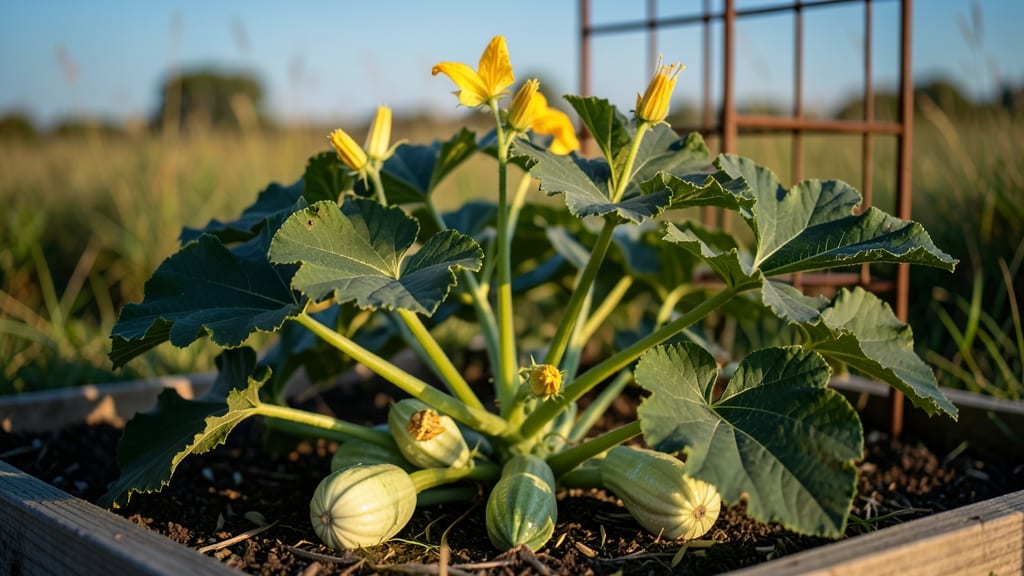
This reproductive strategy isn't just about convenience—it's a biological advantage. 🌱 When flowers contain both pollen-producing stamens and seed-bearing pistils, they can fertilize themselves even without bees or wind. That's why hermaphroditic plants like tomatoes and squash often yield more consistently than their separate-sex counterparts.
The trade-off? Some species still benefit from cross-pollination for genetic diversity, but the self-sufficiency makes them perfect for small gardens or urban containers where pollinators are scarce.
💡 In This Article
- How Plant Hermaphroditism Enhances Reproduction
- Best Hermaphroditic Plants for Home Gardens
How plant hermaphroditism enhances reproduction
Here's what's actually happening inside those dual-sex flowers: hermaphroditic plants pack both stamens (male pollen producers) and pistils (female seed recipients) into a single bloom. This dual functionality creates a built-in fertilization system that can work even when pollinators like bees or butterflies are scarce.
Studies show that self-pollination rates in hermaphroditic flowers like tomatoes can reach 90% under ideal conditions, compared to 30-50% for cross-pollinated varieties when pollinators are limited. 🌸
The key factor is spatial efficiency - stamens and pistils mature at optimal times within the same flower, often with pollen release timed just before or during pistil receptivity. Take cucumbers: their flowers open early in the morning when humidity is high, creating perfect conditions for pollen transfer.
The physical proximity of reproductive organs means pollen travels just 1-2 millimeters from stamen to pistil, while wind-pollinated plants like corn require pollen to travel 10+ feet to reach receptive stigmas. This proximity dramatically increases fertilization success rates.
This biological advantage becomes especially clear when comparing hermaphroditic plants to dioecious species (like holly or asparagus) that have separate male and female plants. In dioecious systems, each plant must rely entirely on external pollinators to transfer pollen between individuals.
When pollinators are absent, these species produce zero fruit. Hermaphroditic plants maintain some reproductive capability even in pollinator-free environments, making them far more reliable for gardeners. 🌿
Genetic advantages also come into play. Hermaphroditic flowers can self-fertilize when needed, but they often still allow cross-pollination when external pollinators are available. This dual capability creates a genetic safety net - plants can maintain genetic diversity while ensuring some reproduction occurs even in challenging conditions.
For example, squash flowers that self-pollinate produce viable fruit, but when bees visit, they can still cross-pollinate with other squash plants, creating genetic variation in the offspring.
What most people don't realize is how this trait affects fruit development timing. Hermaphroditic flowers often have synchronized maturation of reproductive organs, meaning pollen is available exactly when the pistil is receptive. In contrast, some monoecious plants (like corn) have separate male and female flowers that mature at different times.
This synchronization in hermaphroditic plants leads to more consistent fruit set and higher yields, particularly in controlled environments like greenhouses where pollinator access is limited.
The practical implications for gardeners are significant. Hermaphroditic plants like tomatoes and peppers can produce fruit even when isolated from other plants, making them ideal for balcony gardens or urban farming. Their self-sufficiency reduces reliance on external pollinators while still allowing for genetic diversity when cross-pollination occurs naturally.
This dual capability explains why these plants often outperform their separate-sex counterparts in real-world growing conditions. 🌱