Pests
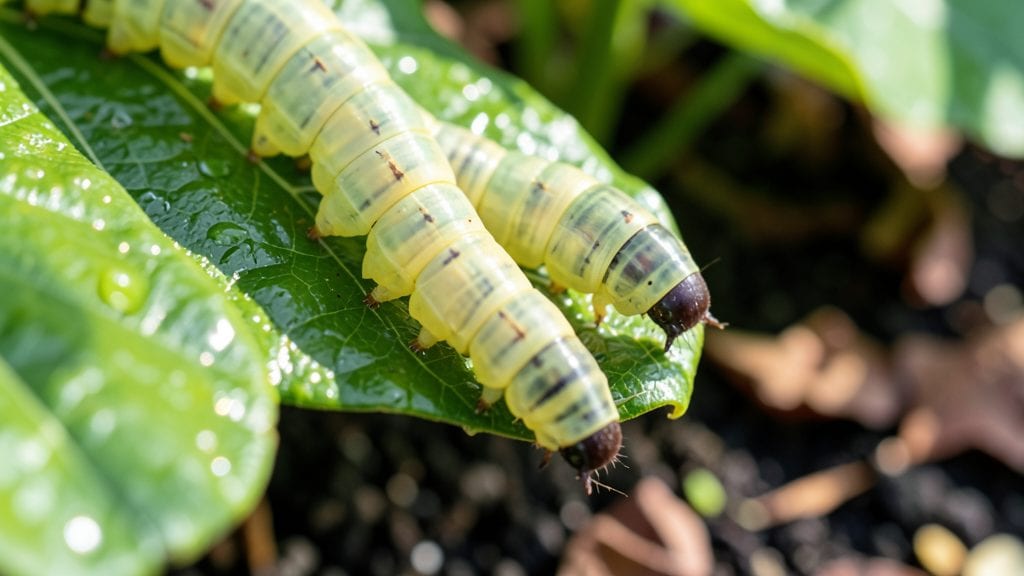
Is your hibiscus plant being devoured by those pesky hibiscus plant worms?
I’ve spent three summers battling the same chewed-up foliage until I cracked the code with neem oil—it stops the damage in its tracks. 🌿 The culprits are usually cutworms, tomato hornworms, or even root-knot nematodes hiding underground, and they’ll strip your plant bare if left unchecked.
Most gardeners panic when they see the damage, but the fix is simpler than you’d think. Neem oil disrupts the worms’ life cycle while being safe for your hibiscus, and manual removal at night (when they’re most active) gives you instant gratification.
The key is acting fast—once the worms move on to flowers or stems, the damage becomes permanent.
You’ll notice new growth within 2 weeks of treatment, with leaves staying intact and vibrant. The best part? This method works for other tropical plants too, like bougainvillea or gardenias. Prevention is easy—just prune regularly, mulch heavily, and plant marigolds nearby to mask your hibiscus’s scent from pests.
No need for harsh chemicals here—this approach keeps your hibiscus thriving without harming pollinators or your garden’s balance. Let’s get those leaves back to their full, glossy glory.
Root Causes of Leaf Devourers
Understanding why worms and caterpillars target your hibiscus plants is the first step to reclaiming your garden. These pests don’t strike randomly—they’re drawn by specific conditions that make your hibiscus an all-you-can-eat buffet.
Let’s break down the science behind their behavior and how environmental factors create the perfect storm for infestations.
Worms and caterpillars, like the hibiscus looper or hibiscus webworm, have a simple motto: easy meals first. When hibiscus leaves are soft, overripe, or nutrient-deficient, they become irresistible snacks. Here’s why this happens:
- Excess Nitrogen Fertilizer: Too much nitrogen (common in fast-release fertilizers) makes leaves lush and tender—like a steak to a predator.
While this might seem like a win for plant growth, it’s a red flag for pests. Actionable fix: Switch to a balanced fertilizer (e.g., 10-10-10) and avoid heavy nitrogen applications in spring. - Water Stress: Both underwatering and overwatering weaken leaves.
Underwatered plants produce tough, dry leaves that pests avoid initially, but once they’re stressed, they become vulnerable to secondary infections (like fungal issues) that attract pests.
Overwatered plants, meanwhile, develop soft, mushy leaves that caterpillars adore. - Pro tip: 💡 Test soil moisture by sticking your finger 1–2 inches deep.
Water when the topsoil feels dry but not bone-dry. - Sunburn or Shade Stress: Hibiscus plants need 6+ hours of sunlight, but too much direct sun (especially in hot climates) can scorch leaves, making them more susceptible to pest attacks.
Conversely, shade-loving hibiscus in low-light conditions may produce sparse, weak growth that pests target first.
Pests don’t just see your hibiscus—they smell and taste it. Certain conditions amplify the plant’s appeal to worms and caterpillars:
- Sugary Honeydew: Many hibiscus pests, like aphids (which often precede worm infestations), excrete honeydew, a sticky sugar-rich substance. This attracts ants, which protect the aphids in exchange for food.
The honeydew also encourages sooty mold, a black fungal growth that weakens the plant further. - Quick fix: 🔥 Blast pests off with a strong stream of water (early morning) to disrupt their feeding cycle. - Bright Flowers and New Growth: Hibiscus flowers and fresh leaves contain higher sugar and protein levels, making them prime targets.
If your plant is blooming nonstop, it’s essentially sending out a neon sign: “Free food here!” - Strategy: 🌡️ Prune spent blooms regularly to reduce attractants, but avoid over-pruning, which stresses the plant.
Worms and caterpillars thrive in specific microclimates. If your hibiscus garden matches their ideal conditions, expect an invasion:
| Factor | Why It Attracts Pests | How to Adjust |
|---|---|---|
| High Humidity | Moist air slows pest predators (like birds/ladybugs) and keeps eggs viable longer. | Improve airflow with spacing plants 3–4 ft apart or use a fan on hot days. |
| Warmth (75–85°F) | Most hibiscus pests metabolize faster in heat, leading to rapid population growth. | Mulch around the base to regulate soil temp; avoid black plastic mulch, which overheats roots. |
| Dense Foliage | Thick leaves provide hiding spots for worms and their eggs. | Prune to open the canopy and allow sunlight to deter pests. |
Pests don’t attack randomly—they follow life cycles tied to hibiscus growth patterns:
- Spring/Summer Surges: This is when hibiscus plants flush with new growth, and pests like hibiscus webworms lay eggs in masses.
A single female can deposit hundreds of eggs on the underside of leaves. - Preventative tip: ✨ Apply neem oil as a pre-bloom spray (before flowers appear) to disrupt egg-laying. - Fall Migration: Some pests, like armyworms, migrate to hibiscus as other host plants (e.g., tomatoes) die back.
If your hibiscus is the last green plant standing, it becomes a magnet. - Solution: 🎯 Interplant with pest-repelling companions like marigolds or basil to confuse pests.
Sometimes, well-meaning gardening practices accidentally create pest paradises:
- Overcrowding: Hibiscus plants need space (3–5 ft apart for dwarf varieties, 6+ ft for tropical types).
Cramped conditions lead to: - Higher humidity (trapped moisture = worm haven). - Slower drying of dew, which keeps egg masses viable overnight. - Ignoring Early Signs: Tiny chewed edges or silken webs on leaves are often dismissed as “just wind damage.”
By the time you notice large holes, the infestation is already weeks old. - Early detection hack: 👨🍳 Inspect leaves daily (especially undersides) with a 10x magnifying glass for eggs or larvae.
Worms and caterpillars don’t choose hibiscus plants out of spite—they’re responding to weakness, abundance, and opportunity. By addressing nutritional imbalances, environmental triggers, and seasonal patterns, you can make your hibiscus less appealing to pests naturally.
The next section will dive into neem oil’s role as a science-backed rescue tool for stubborn infestations.
Quick Fixes for Chewing Pests
When those tiny leaf-munchers strike your hibiscus, acting fast is key! The good news? You don’t need a chemistry degree—just a few targeted strategies to reclaim your plant’s health.
Below, we’ve mapped out practical, step-by-step solutions for the most common causes of hibiscus worm damage, plus prevention tips to keep your plant thriving long-term.
Before treating, confirm what’s attacking your hibiscus. Common pests include:
- Hibiscus looper worms (green or brown, striped bodies)
- Aphids (tiny clusters on undersides of leaves)
- Spider mites (fine webbing, speckled leaves)
- Whiteflies (tiny white moths fluttering when disturbed)
Pro tip: 🔍 Shake your plant over a white sheet—pests will reveal themselves!
1. Neem Oil Spray: The Heavy Hitter
Best for: Looper worms, aphids, whiteflies, and mites Neem oil disrupts pests’ life cycles while being safe for plants (when used correctly).
How to apply: 🔥 Mix: 1 tbsp neem oil + 1 tsp mild soap (like Castile) + 1 quart water 👨🍳 Shake well in a spray bottle (neem oil separates!) 🥘 Spray thoroughly on top and bottom of leaves, stems, and buds—early morning or late evening (avoid direct sunlight). ⏰ Reapply every 5–7 days until pests vanish (usually 2–3 weeks).
Pro tip: 🌡️ Test first! Spray a small leaf area to check for sensitivity.
2. Hand-Picking Worms (For Stubborn Cases)
Best for: Large looper worms or visible caterpillars If your hibiscus has big, obvious worms, manual removal is the fastest fix.
How to do it: 🔪 Wear gloves (some worms have irritating hairs). 👆 Look for: Green/brown striped worms on leaves or buds. 🗑️ Drop them in soapy water (kills them instantly) or squish them. 🌿 Check daily—worms multiply fast!
Pro tip: ✨ Do this in the morning when worms are sluggish and easier to spot.
3. DIY Soap Spray (Budget-Friendly)
Best for: Aphids, mites, and soft-bodied pests A simple insecticidal soap can work wonders without harsh chemicals.
How to make it: 🧼 Mix: 1 tbsp mild liquid soap (like Dr. Bronner’s) + 1 quart water 💦 Spray directly on pests (avoid blooms if possible). 🔄 Reapply every 3–4 days until pests are gone.
Pro tip: 🎯 Add a drop of dish soap for extra stickiness (but don’t overdo it—it can harm plants).
4. Beneficial Nematodes (For Soil-Borne Threats)
Best for: Grubs or larvae hiding in the soil If your hibiscus is wilting despite no visible pests, grubs may be munching roots.
How to use: 🌱 Water the soil 1–2 hours before applying. 🐛 Mix 1–2 lbs of beneficial nematodes (like Steinernema carpocapsae) with water as directed. 💧 Pour around the base of the plant—nematodes seek out and kill larvae.
Pro tip: 💡 Best used in warm, moist soil (spring/fall). Avoid direct sunlight after application.
If your hibiscus is severely damaged, act immediately:
| Problem | Quick Fix | Follow-Up |
|---|---|---|
| Holes in leaves | Spray neem oil + hand-pick worms | Check daily for new eggs |
| Sticky residue (aphids) | Blast off with water + soap spray | Introduce ladybugs (natural predators) |
| Yellowing leaves | Test soil for grubs + nematodes | Improve drainage to deter pests |
| Wilting plant | Inspect roots for grubs + repot if needed | Use mulch to protect soil health |
An ounce of prevention beats a pound of cure! Try these long-term strategies:
✅ Regular Inspections 🔍
- Check leaves weekly (especially undersides) for early signs.
✅ Strong Plant Defense 🌱
- Healthy hibiscus = fewer pests!
- Ensure 6+ hours of sunlight.
- Water at the base (not leaves) to avoid fungal issues.
- Fertilize lightly (over-fertilizing attracts pests).
✅ Natural Deterrents 🌿
- Plant companions: Marigolds, basil, or garlic nearby repel pests.
- Diatomaceous earth: Sprinkle lightly around the base (reapply after rain).
✅ Encourage Predators 🐞
- Ladybugs, lacewings, and birds love eating hibiscus pests. Avoid pesticides to keep them around!
✅ Prune Strategically ✂️
- Remove damaged leaves immediately (don’t compost—pests spread!).
- Trim overcrowded branches for better airflow.
Final Thought: 💪 Most hibiscus worm problems are fixable with patience and consistency. Start with neem oil, hand-pick the worst offenders, and reinforce with prevention. Your hibiscus will bounce back—and stay pest-free!
Frequently asked questions
What are the most common types of worms attacking hibiscus plants?
The usual culprits are hibiscus loopers (green/brown striped caterpillars), webworms (creating silken nests), and cutworms (which chew stems at night). Root-knot nematodes also attack underground, causing wilting despite no visible leaf damage.
Can neem oil harm my hibiscus if I use it too much?
Neem oil is safe when used correctly, but applying it more than every 5-7 days can stress your plant. Always mix it with 1 tsp mild soap per quart of water and avoid spraying during peak sun hours. Test a small leaf area first to check for sensitivity.
Why do worms seem to appear overnight?
Worms multiply rapidly—especially in warm weather (75-85°F). A single female looper can lay hundreds of eggs on leaf undersides, which hatch within days. Check leaves weekly (especially at night when they're most active) to catch infestations early.
Are these worms harmful to humans or pets if they fall on me?
Most hibiscus worms (like loopers) aren't dangerous to humans or pets, but some—such as tomato hornworms—have tiny irritating hairs that may cause mild skin reactions. Wash your hands after handling plants, and wear gloves when removing large worms.
How can I prevent worms from returning next season?
Focus on plant health and natural deterrents: Use balanced fertilizer (avoid excess nitrogen), plant marigolds or basil nearby, and encourage beneficial predators like ladybugs. Prune regularly to remove hiding spots, and apply neem oil preventatively before blooming season.